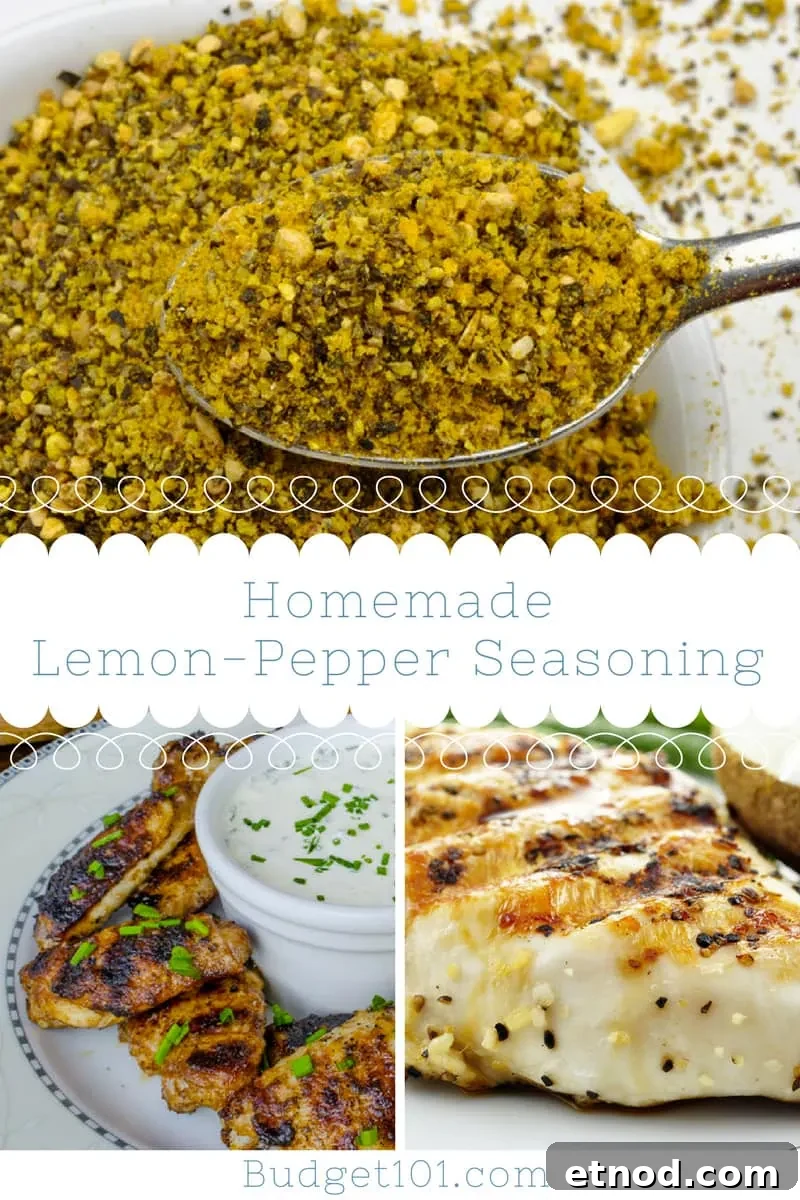
Lemon pepper seasoning is a favorite for brightening grilled chicken, wings, fish, roasted vegetables and more. The best part: you can make a fresh, zesty blend at home in just a few easy steps.
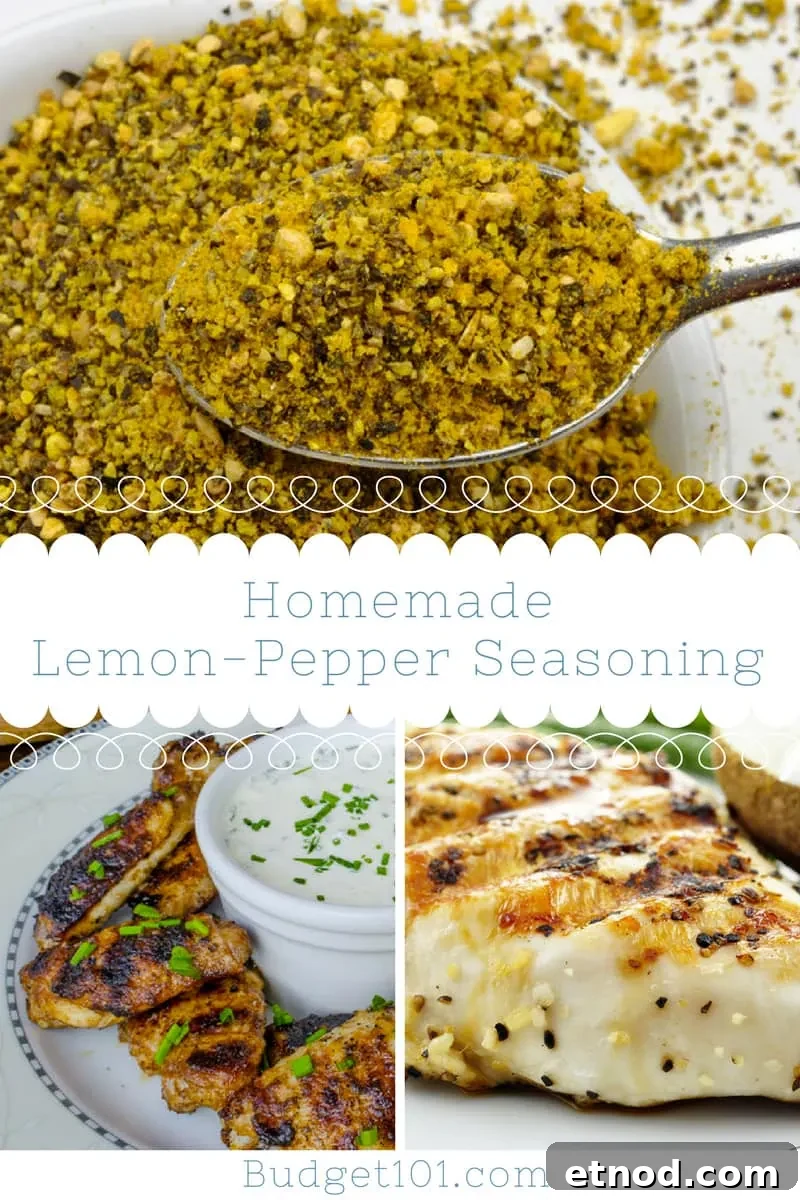
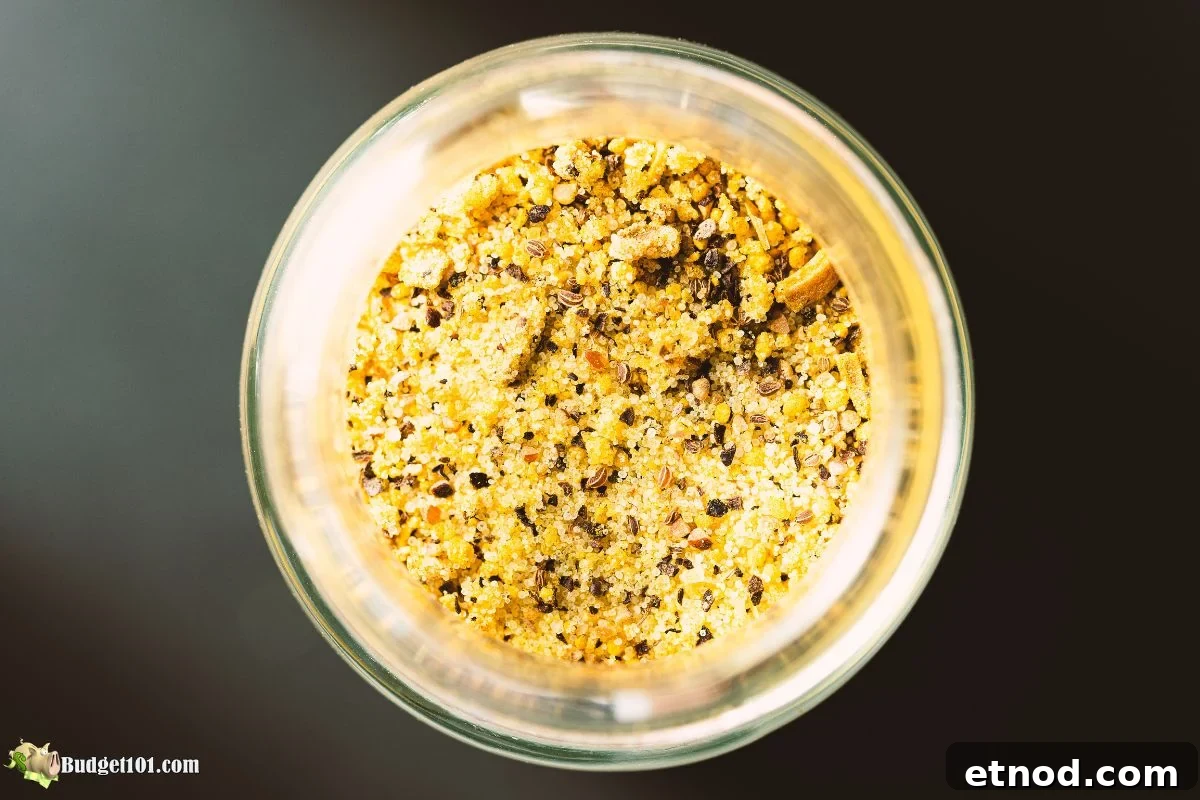
Lemon pepper seasoning mix combines lemon zest with freshly cracked black pepper for a tangy, aromatic seasoning that complements chicken, fish, vegetables, salads and popcorn. Making it yourself yields brighter flavor and lets you control salt and additives.
Homemade lemon pepper is simple and economical: with a few quality ingredients you’ll have a versatile seasoning to use across meals. Below you’ll find the basic mix, a herb variation, storage tips, substitutions and a quick recipe to try.
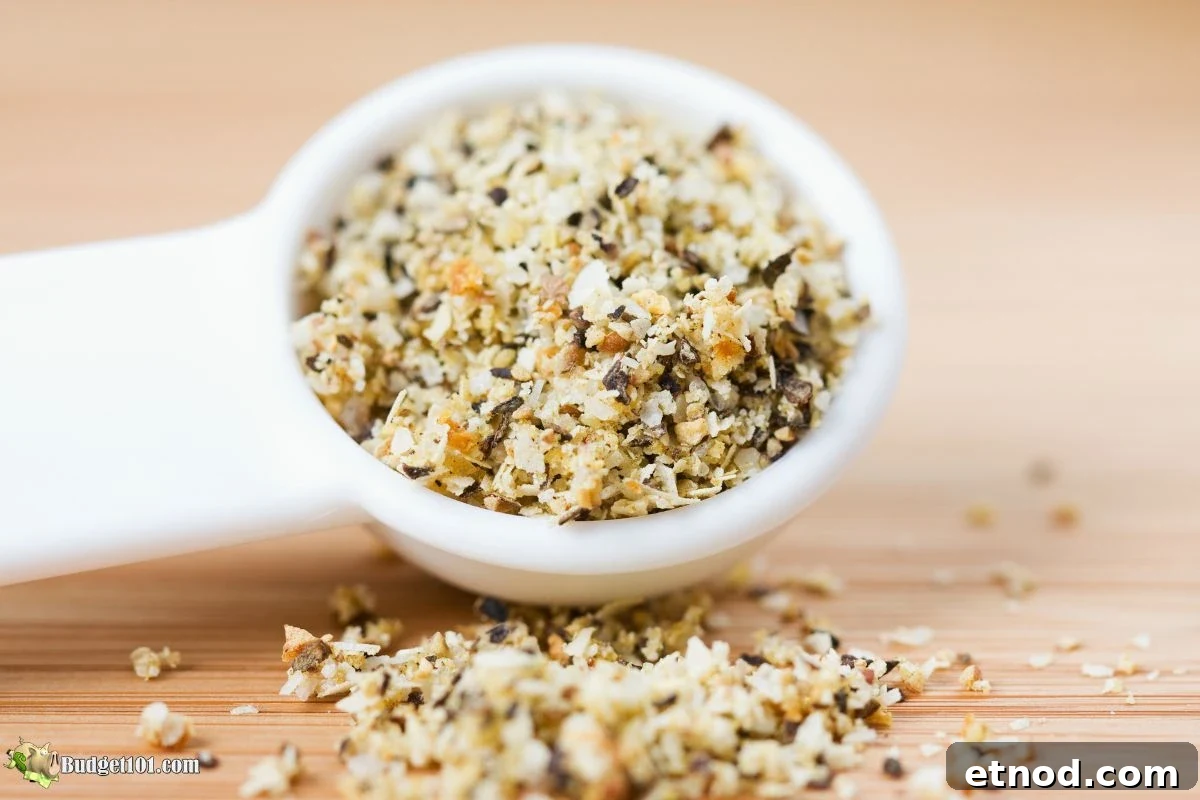
Benefits of DIY Lemon Pepper Seasoning Mix
Making your own lemon pepper mix comes with several advantages:
- Control over ingredients: Use quality salt and pepper and avoid additives or preservatives found in some commercial blends.
- Freshness: Freshly dried lemon zest and cracked pepper deliver a brighter aroma and more vibrant citrus notes than older prepackaged mixes.
- Customization: Adjust lemon, pepper or salt levels and add herbs or spices to suit your taste.
- Cost-effective: A small batch of ingredients makes multiple jars, saving money over time.
- Versatility: Use on chicken, fish, seafood, vegetables, salads or even popcorn.
- No artificial additives: Keep the mix free from MSG or unwanted ingredients by making it yourself.
- Satisfaction: Creating a homemade seasoning is simple and rewarding.
Store the finished mix in an airtight container in a cool, dark place to preserve flavor.
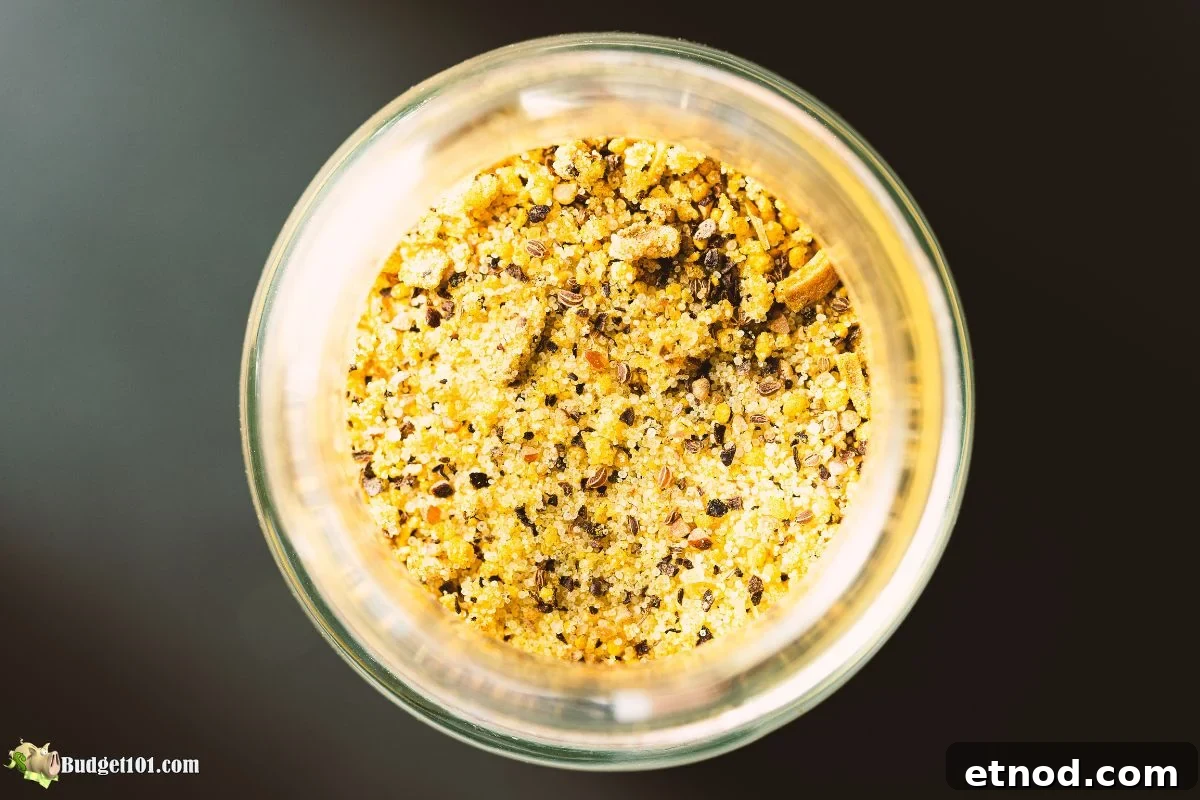
How to Make Lemon Pepper Seasoning Mix
Ingredients:
- Zest of 4–5 organic lemons
- 5 tablespoons whole Tellicherry peppercorns
- 3 tablespoons coarse Himalayan or sea salt
Method: Spread the lemon zest in a dehydrator tray or on a baking sheet. If using the oven, dry on low heat for about 60–75 minutes, making sure the zest pieces are spread out and not touching so they dry evenly. Allow the zest to cool, then combine the dried zest with the peppercorns and coarse salt in a spice grinder or food processor. Pulse until you reach the texture you prefer — coarse for more texture or finer for a uniform sprinkle.
How to Make Lemon Pepper Herb Seasoning Mix
Ingredients:
- 4 1/2 tablespoons dried basil
- 1 1/2 tablespoons celery seed
- 3 3/4 tablespoons dried oregano
- 1 1/2 teaspoons black pepper
- 1/2 teaspoon garlic powder
- 1 1/2 tablespoons dried onion flakes
- 4 teaspoons finely grated dried lemon rind
Combine all ingredients, mix well and store in a sealed jar or bag. This herb-forward variation works well on roasted vegetables, poultry and fish.
Substitutions
There’s room to experiment. Swap Himalayan salt for sea salt, choose different whole peppercorns (black, Tellicherry, or Szechuan for a floral numbing note), or try other citrus zests such as lime or orange for a different flavor profile. Any substitution will change the final taste, so adjust quantities to taste.
Storage instructions
Store homemade lemon pepper in an airtight container away from light, heat and moisture. Properly stored, the seasoning will keep its best flavor for up to six months. For maximum brightness, use within a few months.
Conclusion
Homemade lemon pepper seasoning is easy to make and adds fresh citrus brightness and peppery heat to many dishes. With a basic three-ingredient mix or the herb variation, you can tailor the blend to your preferences and dietary needs. Try making a batch and keep a jar on hand to lift weeknight meals.
FAQ About the Recipe
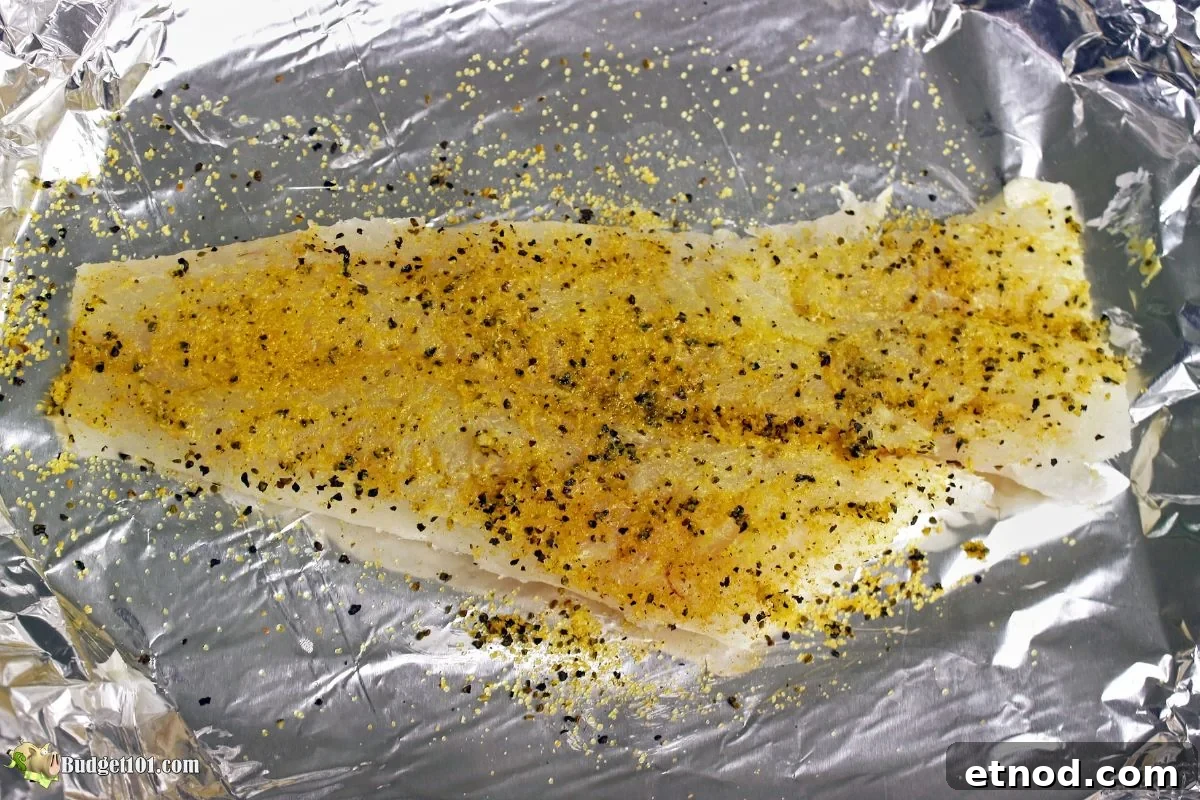
Use it to season chicken, fish, seafood, vegetables, salads or popcorn. Sprinkle before or during cooking, or add as a finishing touch for extra zest and aroma.
Yes. Combine dried lemon zest with cracked pepper and any optional herbs or spices (garlic powder, onion powder, basil, oregano) to customize the flavor.
Stored in an airtight container in a cool, dark place, it keeps well for several months—best used within six months for peak flavor.
Pre-made lemon pepper is a convenient shortcut, but it won’t fully replicate the brightness of fresh zest. When a recipe calls for lemon pepper, you can substitute fresh zest and cracked pepper, adjusting amounts to taste.
Yes. Add cayenne or smoked paprika for heat and smokiness, or herbs like thyme, oregano or parsley for an herbal note. Different citrus zests also create new flavor profiles.
Lemon Pepper Seasoning Mix Recipe — Printable
Lemon Pepper Seasoning Mix
Servings: about 8 tablespoons
Ingredients:
- 4–5 lemons (zest)
- 5 tbsp whole Tellicherry peppercorns (or other whole peppercorns)
- 3 tbsp coarse Himalayan or sea salt
Instructions:
- Spread lemon zest on a dehydrator tray or a baking sheet. Dry in dehydrator or in a low oven (around 170°F / 75°C) for about 60–75 minutes, keeping zest pieces separated so they dry evenly.
- Cool the dried zest. Combine dried zest, peppercorns and coarse salt in a spice grinder or food processor.
- Pulse to desired texture. Store in an airtight jar.
Equipment
- Food dehydrator or oven
- Citrus zester
- Spice grinder or food processor
Notes
Herb variation (combine and seal in a jar): 4 1/2 tbsp basil, 1 1/2 tbsp celery seed, 3 3/4 tbsp oregano, 1 1/2 tsp pepper, 1/2 tsp garlic powder, 1 1/2 tbsp dried onions, 4 tsp dried lemon rind.
Quick Recipe: Lemon Pepper Baked Salmon
You’ll need:
- 4 salmon fillets
- 2 tablespoons olive oil
- 2 teaspoons lemon pepper seasoning mix
- 1 lemon, sliced
- Fresh parsley for garnish (optional)
- Salt to taste
- Preheat oven to 400°F (200°C) and line a baking sheet with parchment paper.
- Place salmon fillets on the sheet and drizzle with olive oil.
- Sprinkle lemon pepper seasoning and a pinch of salt evenly over the fillets.
- Top each fillet with a lemon slice.
- Bake 12–15 minutes, until the salmon flakes easily with a fork.
- Garnish with parsley if desired and serve with steamed vegetables or a fresh salad.
Enjoy the bright, zesty flavor of homemade lemon pepper on your next meal!