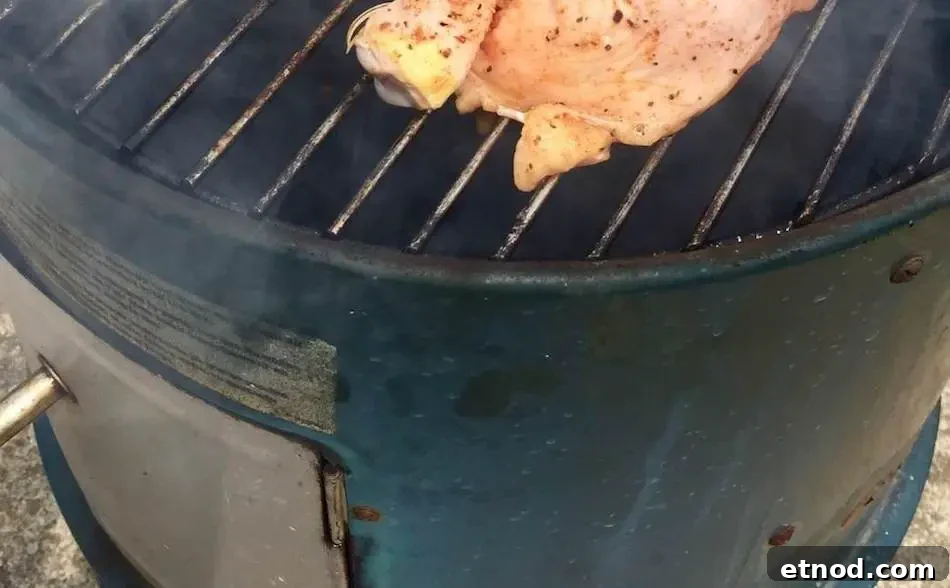
Maintaining a steady temperature is essential when smoking meat. A smoker that loses heat can derail a cook and turn hours of effort into a frustrating experience. Understanding why your smoker is dropping temperature helps you diagnose the issue and get back on track quickly. Below are the most common causes of heat loss and practical fixes to keep your smoker steady throughout the cook.
Common causes of heat loss include starting with too small a fire, opening the lid or door too often, cold ambient temperatures, insufficient venting, an inaccurate built-in thermometer, adding large cold cuts of meat, using a water pan, cheap construction with thin metal or leaks, soaked wood, damp or old charcoal, or a failed heating element on electric smokers. The basic remedies are straightforward: build a hotter initial fire, avoid needless lid openings, protect the smoker from wind and cold, ensure proper venting, use a reliable external thermometer, bring meat closer to room temperature before cooking, remove or use hot water in water pans, upgrade or seal your smoker, use dry wood and charcoal, and repair faulty electric elements.
Reasons Your Smoker is Losing Heat
| Reason | Solution |
|---|---|
| You didn’t build a big enough fire in the beginning. | Start with a larger, hotter fire so it will sustain the cook. Use a charcoal chimney to light coals and add them once fully lit. |
| You’re opening the lid/door too much and letting heat out. | Limit openings to essential tasks only. Use a fast instant-read thermometer and be quick when basting or wrapping. |
| You live in a cold climate. | Use a well-insulated smoker, add fuel as needed, set up in a protected area or use windbreaks, and consider an insulation blanket. |
| The vents aren’t open enough, so there’s no airflow. | Ensure vents are open to allow airflow when starting, then fine-tune them once the smoker reaches temperature. |
| The in-built factory thermometer is inaccurate. | Use an external digital or wireless thermometer with probes to monitor both chamber and meat temperatures accurately. |
| A big chunk of cold meat will lower temperature. | Let large cuts come closer to room temperature before adding them, or overshoot the smoker temperature and let it settle after loading. |
| A water pan will lower temperature. | Remove the water pan if you need higher temps, or use hot water to reduce the cooling effect. |
| You’re using a cheap smoker that leaks and has thin metal. | Seal gaps, insulate thin metal, or consider upgrading to a better-built smoker. |
| You soaked the wood, which is pointless and drops the temperature. | Use dry wood. Soaked wood delays burning and reduces both heat and smoke production. |
| Your charcoal is old and damp. | Store charcoal dry and use fresh lump charcoal or dry briquettes for hotter, more reliable burns. |
| The heating element is broken on your electric smoker. | Inspect and replace or repair the element if an electric smoker isn’t reaching or holding temperature. |
1. Build a Bigger Fire
If your initial fire is too small, it won’t sustain long cooks. It’s better to err on the side of more coals; you can always reduce temperature later. If the smoker starts falling, light a new charcoal chimney and add the fully lit coals to the basket, allowing five to ten minutes for the temperature to recover.
A charcoal chimney is a useful gauge: note how much charcoal fills it so you can repeat successful fuel amounts on future cooks. As you learn a smoker’s behavior, you’ll better estimate how many coals are needed for your target temperature.
2. Don’t Open the Lid Too Much
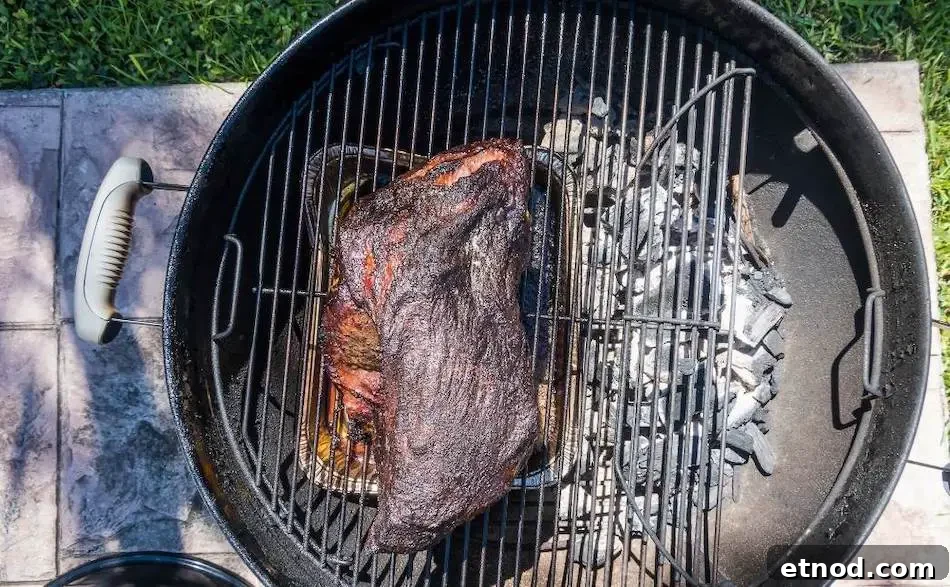
Opening the lid or door frequently is one of the quickest ways to lose heat. When the smoker is open, heat escapes and cold air rushes in, which can dramatically drop temperatures—especially in vertical smokers and kettle grills. Only open the smoker to baste, wrap, or take quick probe readings, and use a fast instant-read thermometer so checks are brief.
Be efficient when you do open the smoker: plan tasks beforehand, move quickly, and close the lid as soon as possible. Reducing unnecessary openings improves temperature stability and overall cooking results.
3. You live in a Cold Climate
Cold weather makes it harder to hold temperature. Ceramic kamado-style smokers excel in chilly conditions due to their insulation, but other smokers can be protected too. Use a thermal or welding blanket designed for smokers, keep ice and snow off the unit, and expect to use more fuel and more warm-up time in winter.
Other cold-weather tips:
- Invest in a well-insulated smoker.
- Use more fuel or larger fires to compensate for heat loss.
- Wrap the smoker with an insulation blanket or reflective material.
- Set up in a sheltered area like a garage or behind a wall.
- Use a windbreak to block drafts and reduce cooling.
With these adjustments, you can achieve consistent results even in colder climates.
4. The Vents Aren’t Open Enough
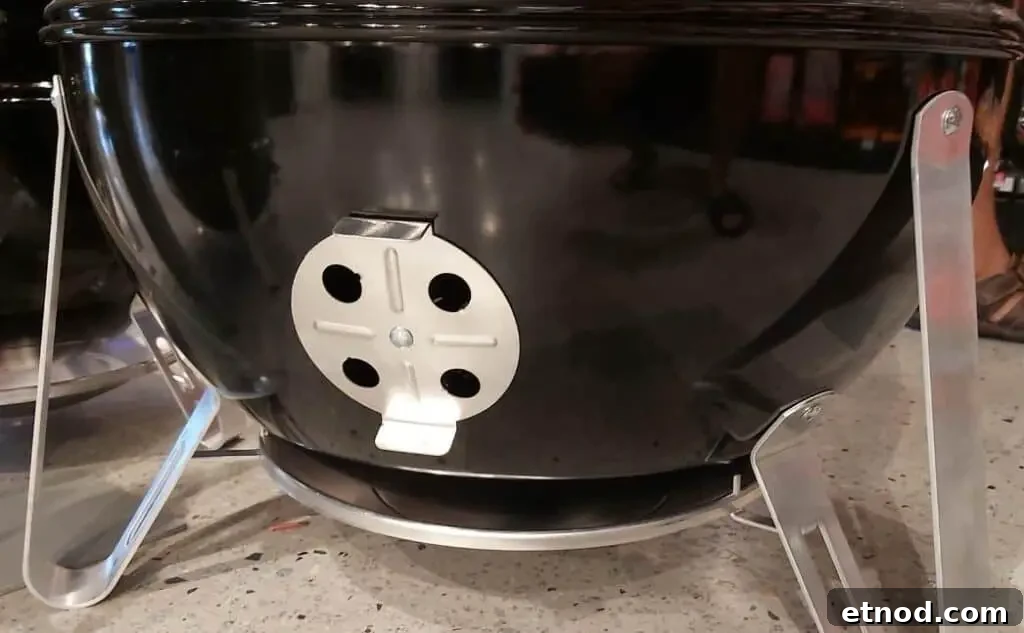
Airflow is critical. If vents are too restrictive, the fire won’t get enough oxygen and temperatures will fall. Open all vents fully when lighting, then adjust slowly once the smoker reaches target temperature. Vent control is a core skill for managing any smoker—experiment to learn the right balance for your unit and conditions.
5. Is Your Thermometer Accurate?
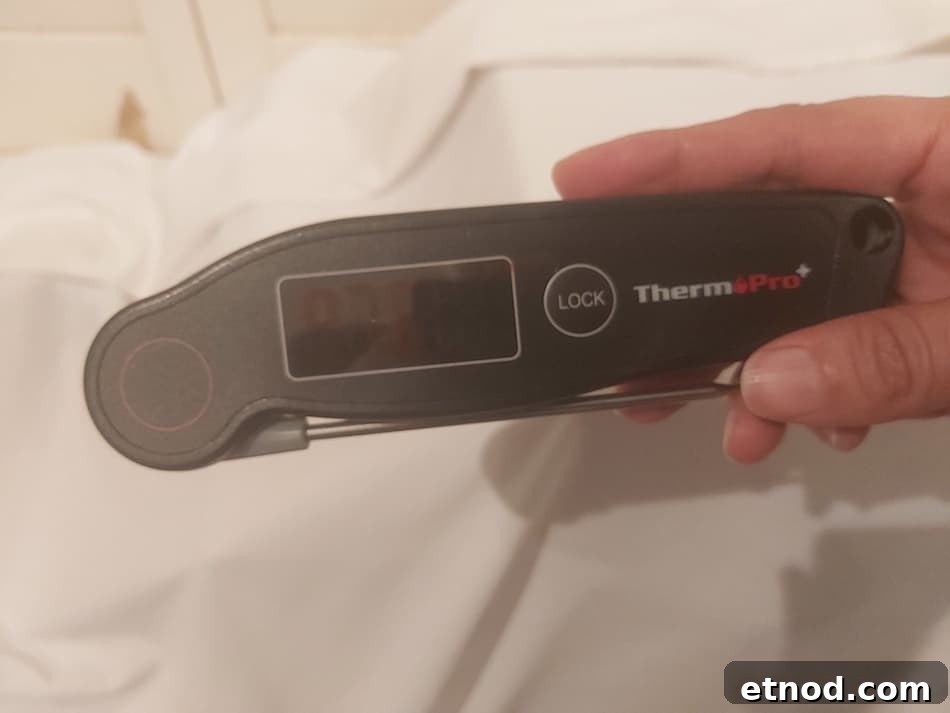
Built-in factory thermometers are often unreliable. Invest in a quality external thermometer from a reputable brand and use at least two probes—one for chamber temperature and one for the meat. Wireless or digital thermometers provide consistent, accurate readings and make it easier to manage your cook without unnecessary lid openings.
6. The Meat Drops the Temperature
Adding a large, cold piece of meat will reduce chamber temperature as it absorbs heat. To reduce this effect, let the meat come closer to room temperature before loading it or overshoot the smoker temperature and let it settle after adding the meat. Monitor and adjust fuel or vents as needed while the smoker recovers.
Also note that cooking meat releases moisture, which can slightly lower temperatures; good airflow and fuel management help compensate for this.
7. Water Pans Lower the Temperature
Water pans add moisture and help stabilize temperatures during long cooks like brisket, but they also absorb heat and can slow how quickly a smoker reaches target temperature. If hitting high temps is your priority, remove the water pan or use hot water to reduce its cooling effect. The impact varies by smoker and conditions, so test what works best for your setup.
8. Cheap Smokers Have Poor Seals
Inexpensive smokers often use thin metal and have leaks that let heat escape. Sealing gaps, insulating thin panels, and improving airflow in the charcoal area can help. Many owners modify budget smokers to reduce leaks and improve performance; consider these improvements or upgrade to a better-built smoker for more consistent results.
9. Don’t Soak the Wood
Soaking wood before smoking is counterproductive. Wet wood must dry out before it will burn or smolder, delaying heat and smoke production. It also mutes the wood’s natural flavor. Use dry wood or dry wood chips, and add fresh pieces as needed to maintain smoke without sacrificing temperature.
10. Use Dry Charcoal
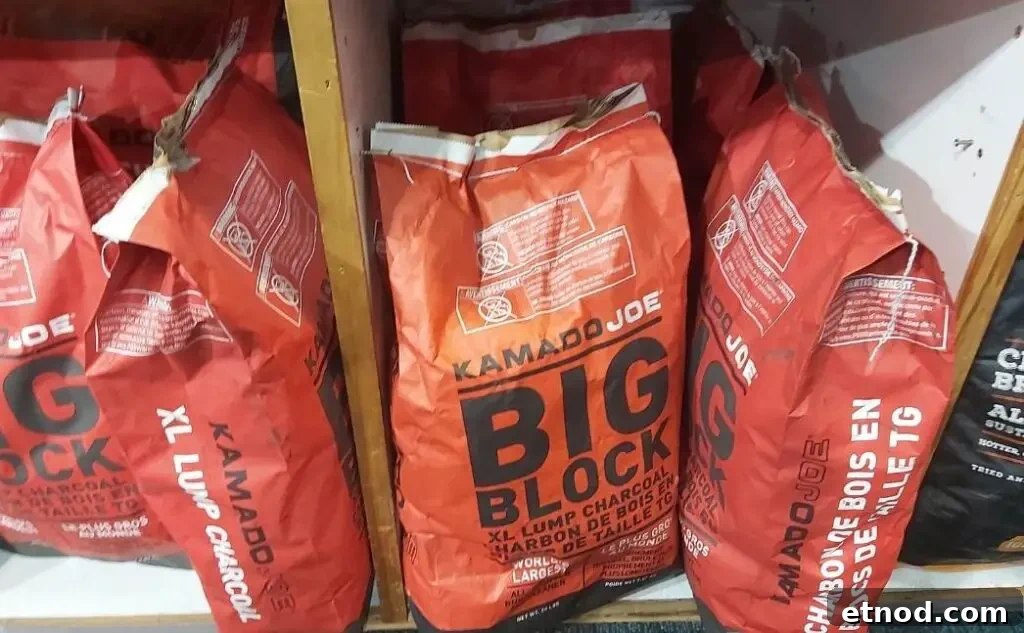
Damp or old charcoal won’t burn hot and can cause the fire to fade. Lump charcoal typically burns hotter than briquettes. Store charcoal in a dry place or sealed container, and if it’s been exposed to moisture, spread it out to dry before use. Using dry fuel ensures predictable, sustained heat for your cook.
11. Check the Heating Element in Electrics
On electric smokers the heating element provides the heat. If the element fails, the smoker will stop reaching temperature. Inspect the element and wiring, and replace or have it repaired if necessary. A functioning element and a working thermostat are essential for electric smoker reliability.
Keep A Smoking Journal
Track your cooks: note how much charcoal or wood you used, the weather, the smoker’s behavior, and the temperatures you achieved. A smoking journal helps you learn how your smoker reacts to different conditions and fuels, so you can replicate successes and avoid problems. With careful notes and the strategies above, you’ll be able to maintain steady temperatures and improve your smoking results.
My Favorite Meat Smoking Tools
Thanks for reading. A few reliable tools make smoking easier: a good dual-probe thermometer for chamber and meat monitoring, a fast instant-read thermometer for spot checks, and dry fuel and quality wood. These items simplify temperature control and reduce guesswork during long cooks.