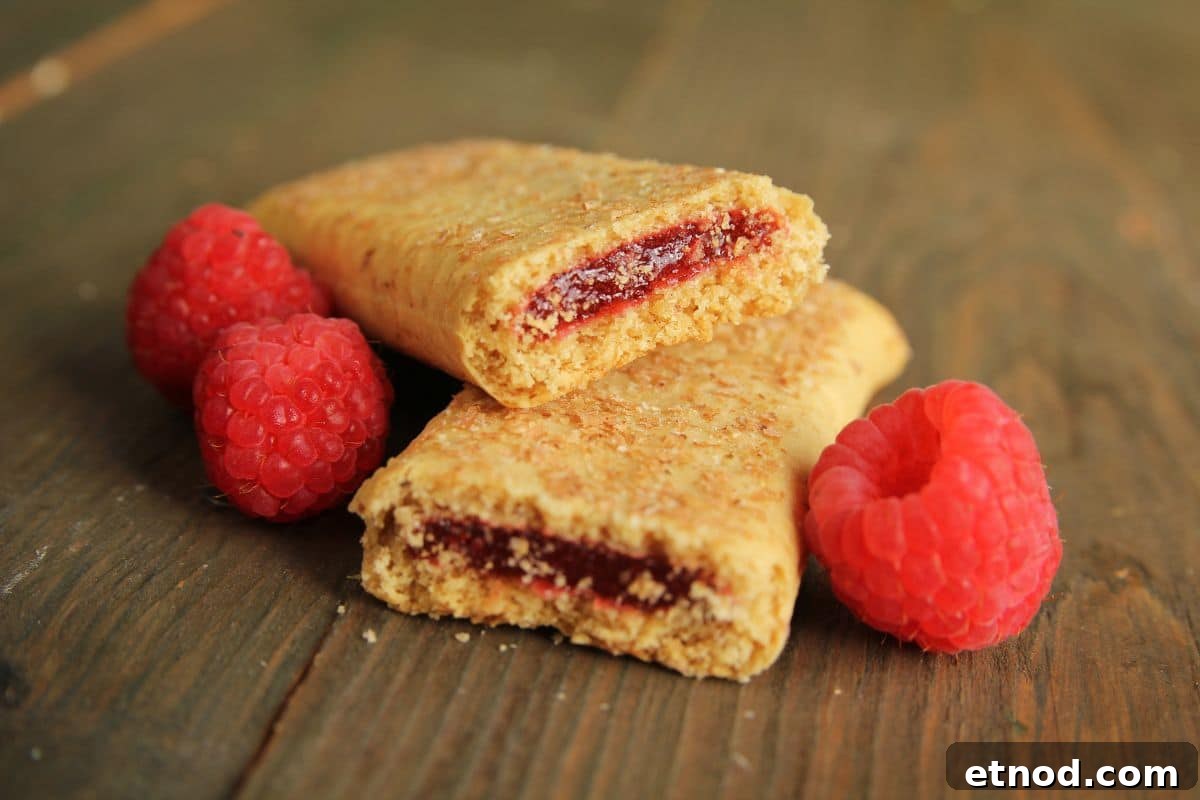
Nutri-Grain® bars have been available for decades and are often promoted as a convenient, nutritious snack. But are they truly a healthy choice? I’m Jamie, a registered dietitian with nearly ten years of practice, and I’ll walk you through the nutrition, ingredients, benefits, and drawbacks so you can decide if these bars fit your goals and lifestyle.
Let’s take a closer look at Nutri-Grain bars: what they are, what’s inside them, and how they might fit into your day.
What Are Nutri-Grain Bars?
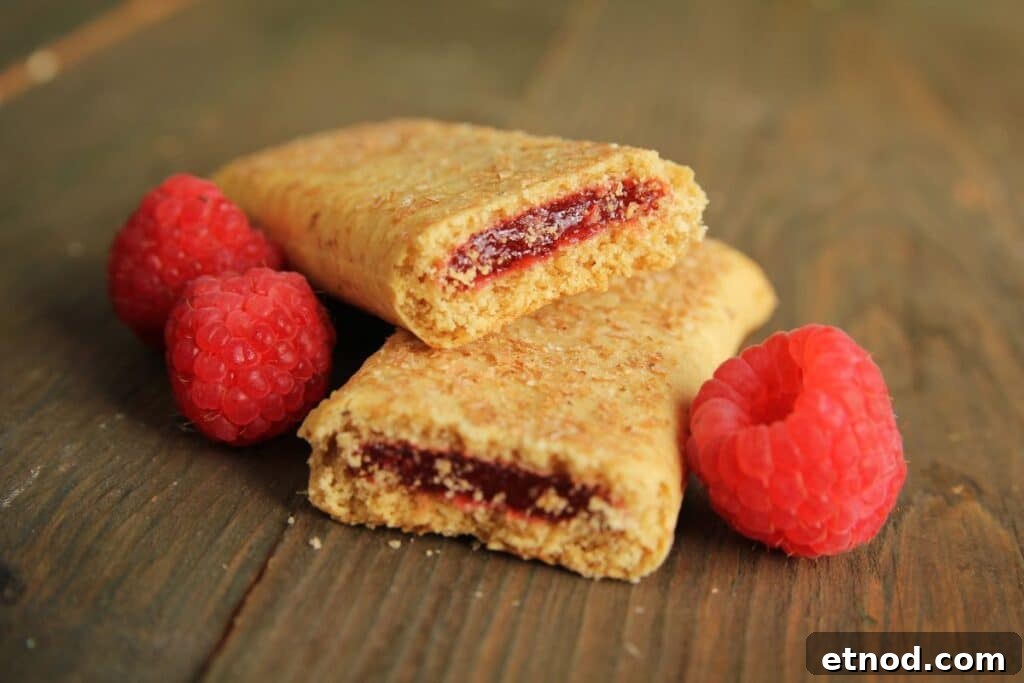
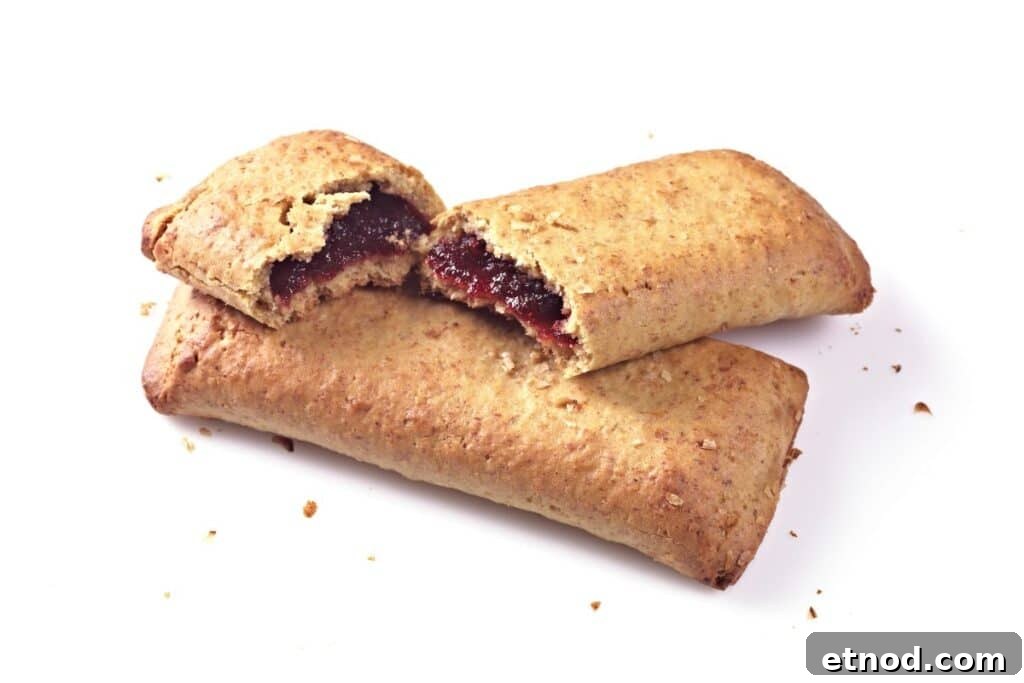
Nutri-Grain bars, made by Kellogg’s®, were first introduced in 1989 (initially as Smart Start Cereal Bars) and were renamed Nutri-Grain in 1991. They’re known for a soft, chewy texture with fruit-flavored fillings and a whole-grain crust. Individually packaged, they’re designed for grab-and-go convenience and come in several fruit varieties.
Marketing can make a product look one way, but the nutrition facts and ingredient list tell the real story. Below I summarize the key details for the Apple Cinnamon flavor, which is representative of many varieties.
Nutri-Grain Nutrition Facts
Nutrition for one Nutri-Grain Apple Cinnamon bar (values may vary slightly by flavor):
- Calories: 130
- Total Fat: 3.5 g
- Saturated Fat: 0.5 g
- Trans Fat: 0 g
- Cholesterol: 0 mg
- Sodium: 115 mg
- Total Carbohydrates: 24 g
- Dietary Fiber: 3 g
- Sugars: 11 g (includes 11 g added sugars)
- Protein: 2 g
These bars are also fortified with some vitamins and minerals such as vitamin A, vitamin C, and calcium, though amounts vary by flavor.
Nutri-Grain Bar Ingredients
The ingredient lists are fairly long. For the Apple Cinnamon crust and filling, key ingredients include whole grain oats, enriched flour, various sweeteners (dextrose, fructose, sugar, invert sugar), vegetable oils, whey, soluble corn fiber, and numerous stabilizers and additives in the filling like corn syrup, apple puree concentrate, modified food starch, and citric acid.
If you prefer short, minimally processed ingredient lists, these bars may not match that preference.
Nutri-Grain Bars: Pros
- Convenience: Individually wrapped for easy on-the-go snacking, suitable for busy mornings or quick fuel between meals.
- Whole grains: The crust contains whole grain oats and provides about 3 g of fiber, which helps with satiety.
- Flavor variety: Multiple fruit flavors make them appealing to different tastes.
- Kid-friendly: Often accepted by picky eaters, which can make snack time easier for families.
- Affordable: Generally inexpensive, making them accessible for many budgets.
- Quick energy: Their carbohydrate content makes them useful as a pre-workout snack or quick energy boost.
Nutri-Grain Bars: Cons
- Added sugars: Many flavors contain about 11 g of added sugars per bar, which contributes substantially to daily added sugar limits.
- Refined grains: The crust combines whole-grain and enriched (refined) flours; refined grains have lost some natural nutrients during processing.
- Carb-heavy, low in protein/fat: Low protein and fat content means these bars may not keep you full as long as more balanced snacks.
- Processed ingredients: The ingredient lists include several processed components and additives that some people prefer to avoid.
Do Nutri-Grain Bars Have Too Much Sugar?
Whether they have “too much” sugar depends on your dietary needs and overall daily intake. The American Heart Association recommends limiting added sugars to 25 g per day for women and 36 g for men. One Nutri-Grain bar contributing 11 g of added sugar takes up a notable portion of that limit, so consider what else you consume during the day.
Rather than labeling a single food as strictly good or bad, it’s more helpful to view Nutri-Grain bars in the context of your total diet. They’re higher in added sugar than many alternative snacks but can still fit into a balanced plan when eaten mindfully.
Are Nutri-Grain Bars Healthy for Kids?
Nutri-Grain bars can be a reasonable occasional snack for children, especially when combined with other whole foods throughout the day. Because of their added sugar, moderation is advisable. If a child is very picky and these bars are a reliable, consistent option, they can be included without undue worry.
Are Nutri-Grain Bars Good for Weight Loss?
No single food determines weight loss. Weight outcomes depend on overall calorie balance and dietary patterns. Nutri-Grain bars can be part of a weight-loss plan if they fit within your calorie and nutrient goals, but because they are not very filling on their own, pairing them with a protein or fat source may improve satiety and help prevent extra snacking.
Dietitian Tip: Pair with Protein
Adding a protein source to a Nutri-Grain bar helps balance blood sugar and extend satiety. Easy pairings include string cheese, a hard-boiled egg, or Greek yogurt. These combinations improve nutrient balance and make the snack more filling.
Alternative Snack Bars and Snack Ideas
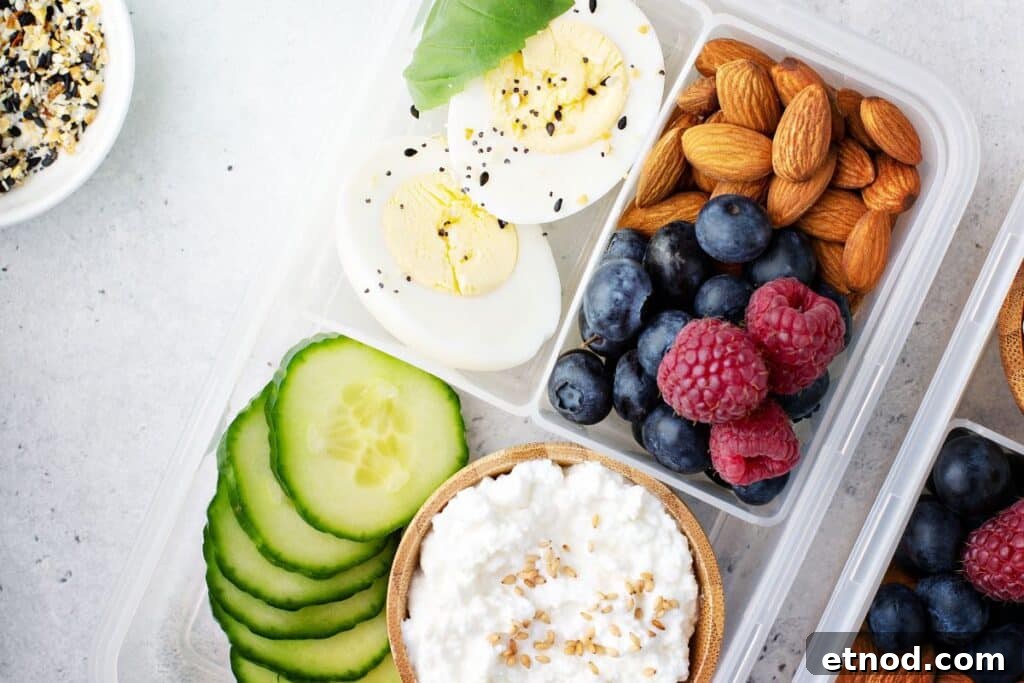
If you want bars with more protein, less added sugar, or simpler ingredients, many alternatives exist. Additionally, here are quick balanced snack combinations to consider:
- Apple + cheese stick
- Greek yogurt + granola
- Whole grain crackers + sliced cheese
- Tortilla chips + guacamole
- Sliced bell peppers and cucumbers + cottage cheese
- Hard-boiled egg + banana
If you enjoy homemade options and have the time, simple recipes like no-bake peanut butter oat cups or Greek yogurt-based dips can be satisfying and more nutrient-dense than many packaged bars.
So, Are Nutri-Grain Bars Good for You?
Nutri-Grain bars offer convenience, some whole grains, and pleasant flavors, making them a practical choice for quick energy or a kid-friendly snack. However, they contain added sugars, some refined ingredients, and limited protein and fat, which reduce their staying power.
If you enjoy them, they can certainly fit into a balanced diet—especially when paired with a protein or healthy fat. If you prefer snacks with less added sugar and more protein or fiber, consider exploring other options. Ultimately, the best choice depends on your preferences, nutritional needs, and how the bars fit into your overall eating pattern.