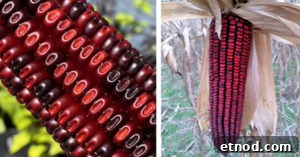
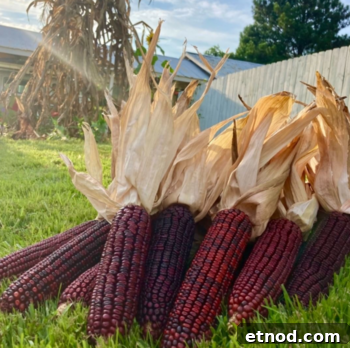
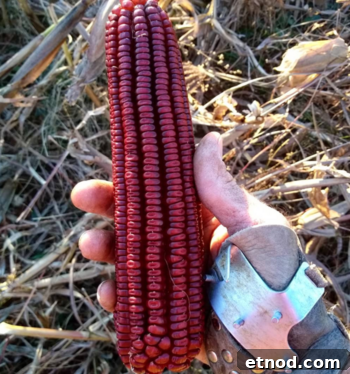
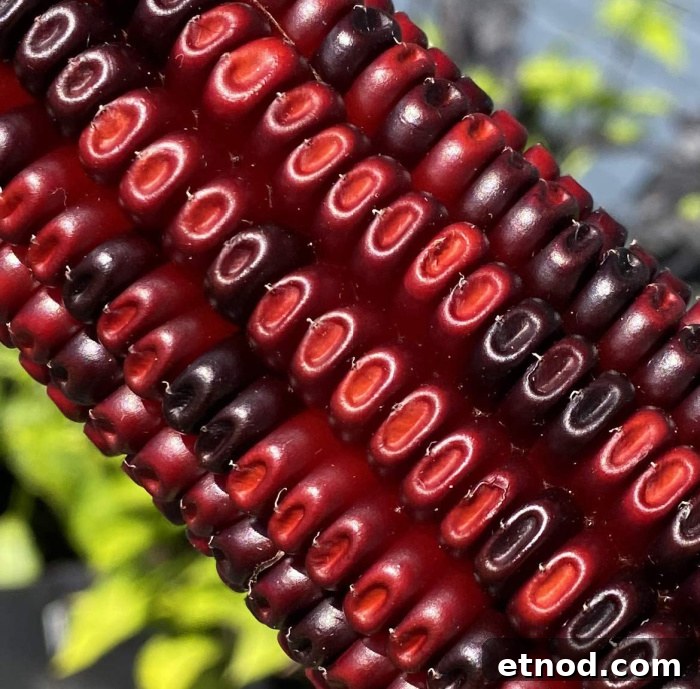
There is an heirloom corn variety with kernels so deep red they almost look like pomegranate seeds. It is striking, unusual, and naturally eye-catching — and it has a story that makes it even more interesting.
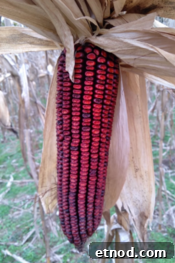
This beautiful red corn is not something most people see at the grocery store. If you have never heard of it before, you are definitely not alone. Known as “Jimmy Red” corn, this rare heirloom crop has been connected to the American South for generations and was once nearly lost completely.
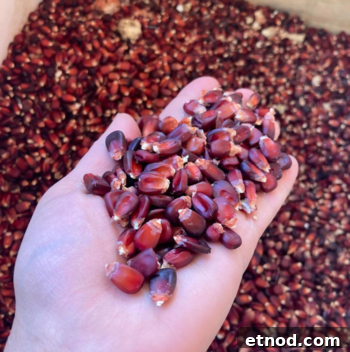
Over time, fewer farmers continued growing this distinctive corn. As interest faded and the people who knew how to cultivate it passed on, Jimmy Red corn became harder and harder to find. For a while, many believed this unique variety had disappeared forever.
Fortunately, that was not the end of its story.
What Is Red Corn?
Jimmy Red corn is a rare heirloom corn variety known for its dark red kernels, rich color, and distinctive flavor. Its history is often tied to Charleston, South Carolina, where it became especially well known for its use in moonshine.
According to the story, bootleggers once encouraged farmers to grow this red corn because it produced a memorable spirit. The corn was valued not only for its color, but also for its flavor. It has been described as having notes of cinnamon spice, marzipan, and light cherry — a surprising profile for a kernel of corn.
Even into the 1980s, people who knew where to look could still find moonshine made from Jimmy Red corn. It was not a mainstream product, but it remained part of local food and drink culture in certain circles.

If you knew the right people, they’d sell you delicious food out their backdoor kitchen and you’d get a jar of Jimmy Red hooch with it. But though I knew the hooch, I never knew the corn
NPR
The name “Jimmy Red” is associated with James Island, an area near Charleston where this moonshine was once found. The corn became part of a local tradition, but as the years passed, the crop itself became increasingly rare.
Eventually, the corn used to make that distinctive moonshine was believed to be gone. Without farmers saving seed and planting it year after year, the variety was on the edge of extinction.
What Happened To “Jimmy Red” Corn?
As the bootleggers and growers who knew Jimmy Red corn aged and passed away, the crop nearly disappeared with them. By the early 2000s, the last known grower connected to the old moonshine tradition was no longer planting the corn.
At that point, Jimmy Red corn was dangerously close to being lost. The remaining seed stock was extremely limited, and without someone willing to save and grow it, this heirloom variety might have vanished completely.
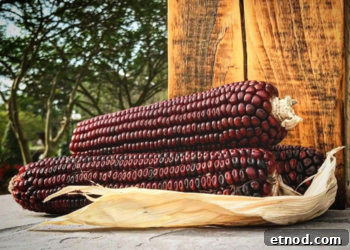
The corn almost died with him. Two ears were rescued from his plot and gifted to celebrated local farmer and seed saver Ted Chewning.
NPR
Ted Chewning, a farmer and seed saver, helped give Jimmy Red corn a second chance. Seed saving is essential for preserving heirloom crops, especially varieties that are no longer widely grown. By planting the corn, saving kernels, and increasing the seed supply over time, Chewning helped bring this rare red corn back from the brink.
He has revived nearly extinct corns, beans, heirloom radishes, watermelons and field peas. He rescued Jimmy Red as well, growing it and saving kernels each year, increasing the seed stock.
NPR
Over the following years, farmers continued cultivating Jimmy Red corn. As the seed stock grew, the corn began to find its way into distilleries, kitchens, and restaurants, where its flavor and striking color made it stand out.

Bourbon And Delicious Food
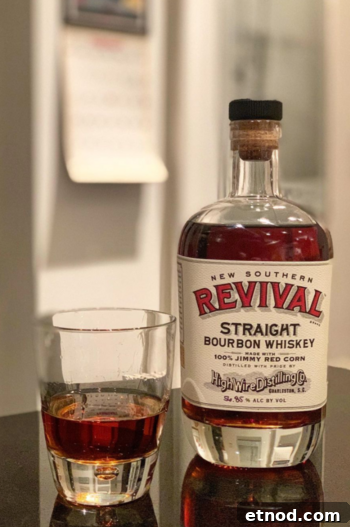
Jimmy Red corn eventually reached High Wire Distilling Co., where it was used to make bourbon. The distillery’s first release made with the red corn was a major success, selling out quickly. Nearly 600 bottles were gone in just 11 minutes.
That kind of response says a lot about the growing interest in heirloom grains, small-batch distilling, and ingredients with a real story behind them.
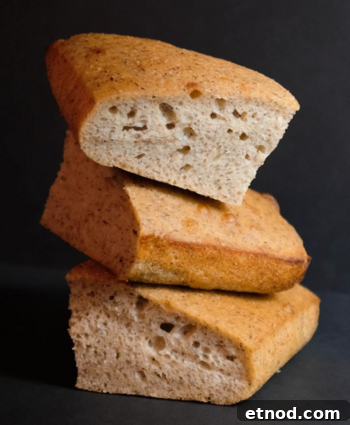
Jimmy Red corn is not only useful for spirits. Chefs have also embraced it as a flavorful ingredient for classic Southern dishes. When ground into cornmeal or grits, it can be used in recipes such as cornbread, pancakes, hush puppies, and other corn-based foods.
Charleston chef Sean Brock, also grows it himself and serves the ultra-local Jimmy Red grits, cornbread and flapjacks at his restaurants McCradys and Husk.
Return To Now
For anyone who loves heirloom ingredients, Southern cooking, or unusual garden crops, Jimmy Red corn is a fascinating variety to know. Its deep red color makes it beautiful, but its history and flavor are what make it truly memorable.

Can You Grow “Jimmy Red” Corn?
Yes, Jimmy Red corn can be grown as an heirloom crop, and seeds are available for gardeners who want to try it. Like other heirloom vegetables and grains, it requires the right growing conditions, care, and patience.
If you are comfortable growing corn, this variety can be a rewarding addition to a garden. Its tall stalks and dramatic red ears make it appealing both as a food crop and as a seasonal decorative plant.
For gardeners with experience saving seed, Jimmy Red corn is also a reminder of why heirloom preservation matters. Without dedicated growers, rare varieties like this can disappear in just a few generations.
Once harvested and processed, Jimmy Red corn can be used in many familiar recipes. It may be ground into cornmeal or grits and used for cornbread, pancakes, hush puppies, and other dishes that normally call for cornmeal. Some home cooks grind dried kernels with a suitable grain mill, coffee grinder, or high-powered blender.
Its deep red kernels also make it a beautiful choice for fall decorating. Whether displayed on the cob or used in the kitchen, Jimmy Red corn has a look that immediately stands out.
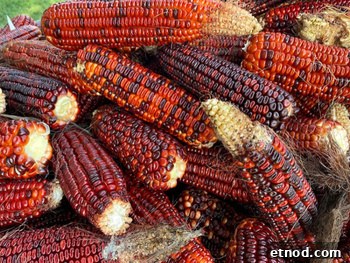
Whether you want to grow it, cook with it, or simply learn more about rare heirloom crops, Jimmy Red corn is worth discovering. It is a beautiful example of how food traditions can survive when farmers, seed savers, distillers, and chefs work to keep them alive.
Jimmy Red cornmeal and Jimmy Red grits are also available from some sellers, making it possible to try the flavor without growing the crop yourself.
For baking, breakfast dishes, and classic Southern recipes, this rare red corn can bring color, history, and distinctive flavor to the table.