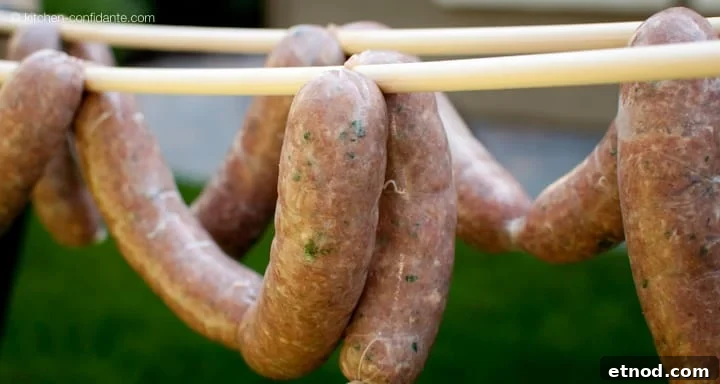
Try making bratwurst from scratch! You’ll appreciate the authentic flavors, fresh ingredients, and absence of preservatives. This step-by-step photo guide shows how to make Beer Bratwurst at home.
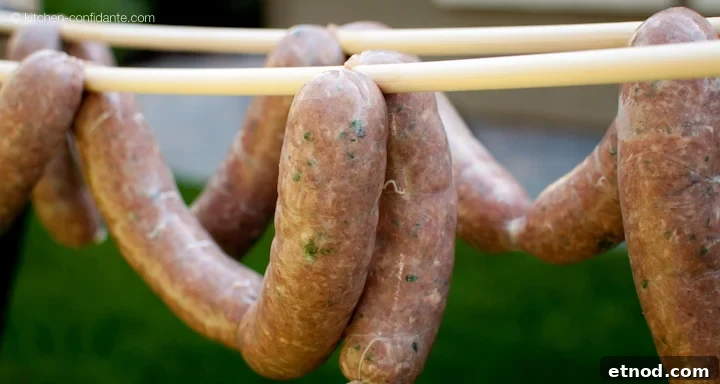
Preparing for autumn used to include more than jamming, canning, and drying the summer garden. One traditional ritual many families once observed was butchering and preserving meat for the winter. While supermarkets and modern butchers make fresh meat easy to obtain today, there’s a special satisfaction in preparing your own sausage from scratch.
Before refrigeration and ready-made groceries, families preserved meat by salting, smoking, or freezing where they could, using every part of the animal. That history makes the process of making sausage feel like an important, time-honored kitchen skill.
I recently re-read a worn copy of Little House in the Big Woods with my seven-year-old, and the chapter where the family butchers their hog has always stayed with me. The idea of turning pork into sausage fascinated me then—and still does now.
Making sausage at home is an old-fashioned task, but it isn’t as intimidating as it sounds. It’s fairly straightforward, and the rewards are worth it: control over ingredient quality, no preservatives, and fresher flavor. If you’ve been curious, try this guided recipe for Beer Bratwurst—perfect for Oktoberfest season.
Oktoberfest is traditionally late September through the first weekend in October in Germany, and many U.S. celebrations run throughout October. If you missed Munich this year, put on some lederhosen, pour a beer, and try making your own beer bratwurst—you might find yourself singing along to festive tunes.
Ready? Let’s begin.
How to Make Beer Bratwurst
The first thing you should do is visit your butcher.
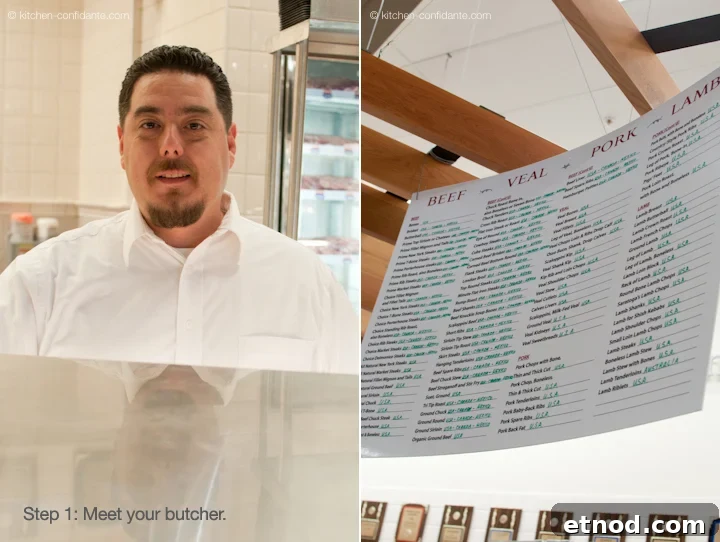
Meet Dan, a knowledgeable butcher at my favorite market. Get to know your local butcher—they’re a great source of advice on what’s fresh and which cuts work best for sausage. Tell them you’re making bratwurst; they can recommend the right cuts and may offer helpful tips based on their experience.
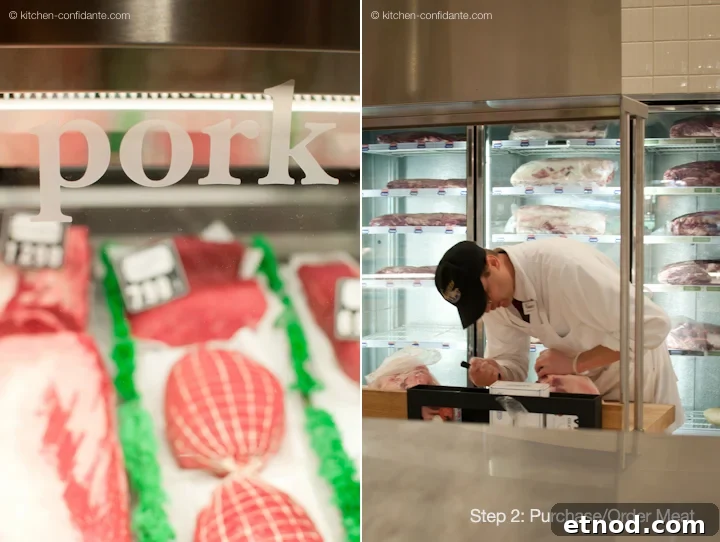
For a traditional German-style bratwurst, use a blend of pork and veal and be sure to get natural casings. Check with the butcher ahead of time to confirm availability.
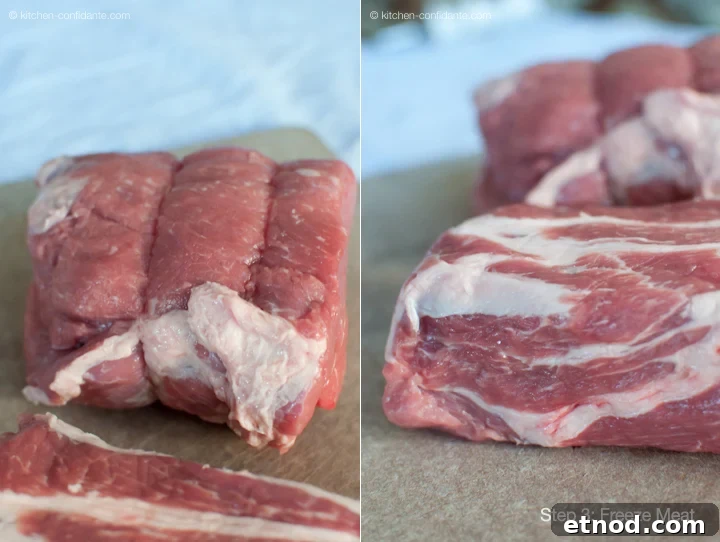
Notice the marbling in the pork shoulder/butt—some fat is essential for juicy sausage. Good pork shoulder usually provides enough fat, and the leaner veal balances the mixture.
Slice and Grind the Meat
Keep the meat cold at every stage. Freeze it for about an hour before starting and return pieces to the refrigerator or freezer whenever you pause. Cold meat cuts more cleanly and grinds better, and staying chilled helps reduce food-safety risk when working outside a cold environment.
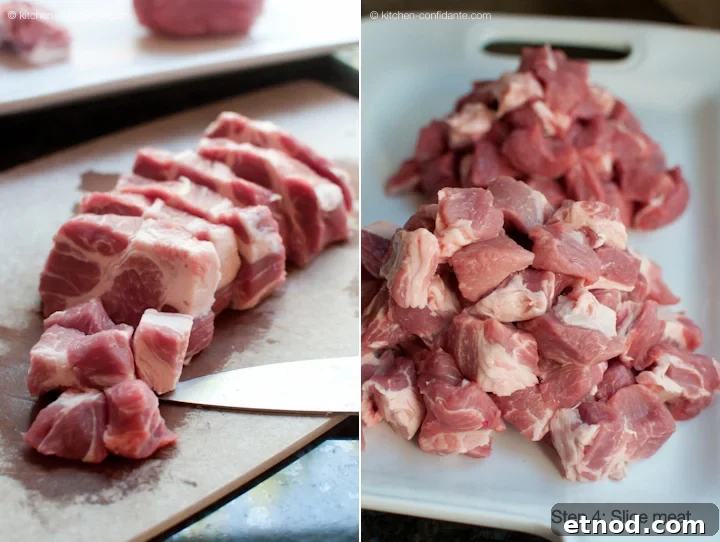
Cut the meat into pieces small enough for your grinder and keep them chilled until grinding.
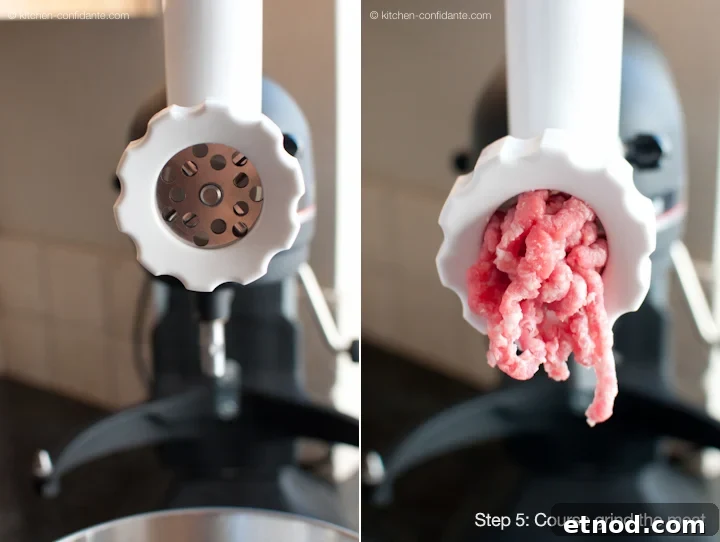
Grind the meat twice. Start with the coarse plate, watching for fat clogs; chilled meat minimizes clogging. Return the ground meat to the freezer for another 30 minutes before the next step.
Season the Meat
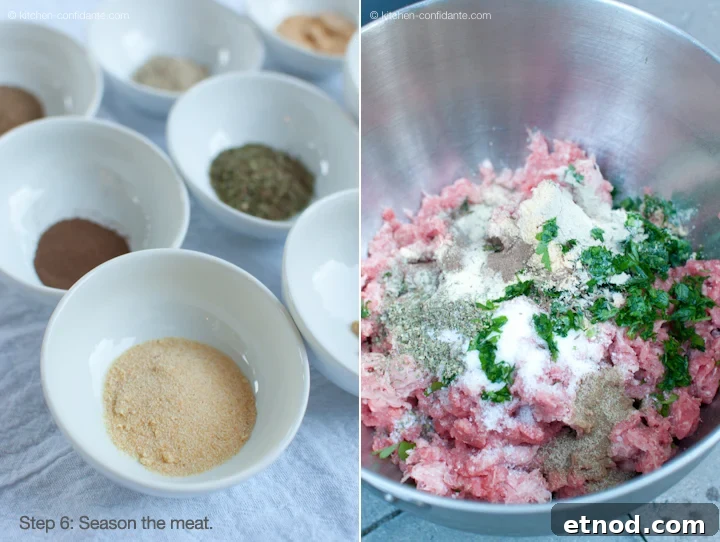
Use dry seasonings when possible to avoid tearing casings. Fresh herbs are fine—this recipe calls for finely chopped Italian flat-leaf parsley, stems removed. Mix seasonings into the ground meat with a mixer or by hand until evenly distributed.
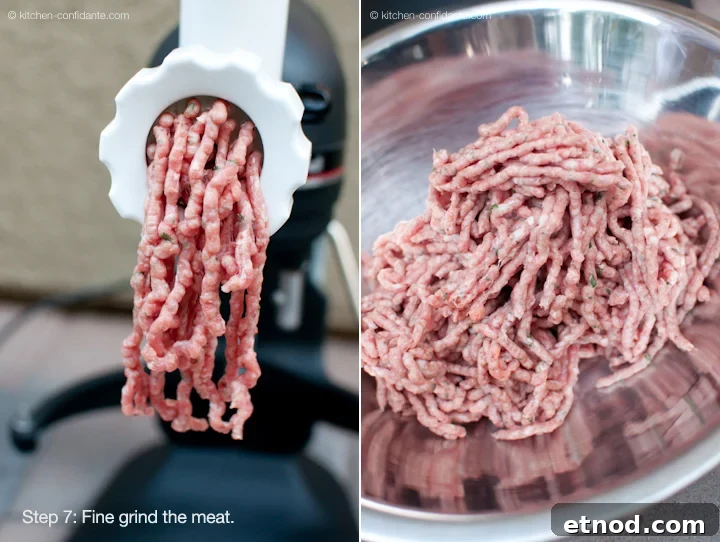
Grind the seasoned mixture a second time using the fine plate for a smooth texture.
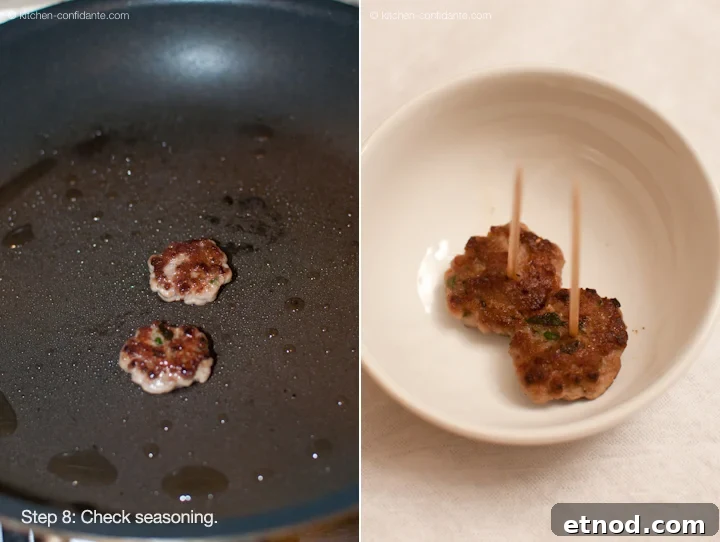
Test the seasoning by frying a small patty of the mixture. Flavors will continue to develop, but this quick test lets you adjust seasoning before stuffing.
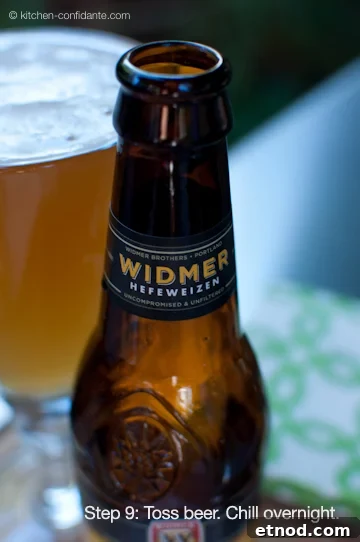
Add about 4 ounces of a quality wheat beer—an unfiltered Hefeweizen works particularly well—and toss the mixture so the beer is evenly incorporated. Cover tightly and refrigerate overnight to let the flavors meld. Save the rest of the beer to enjoy afterward.
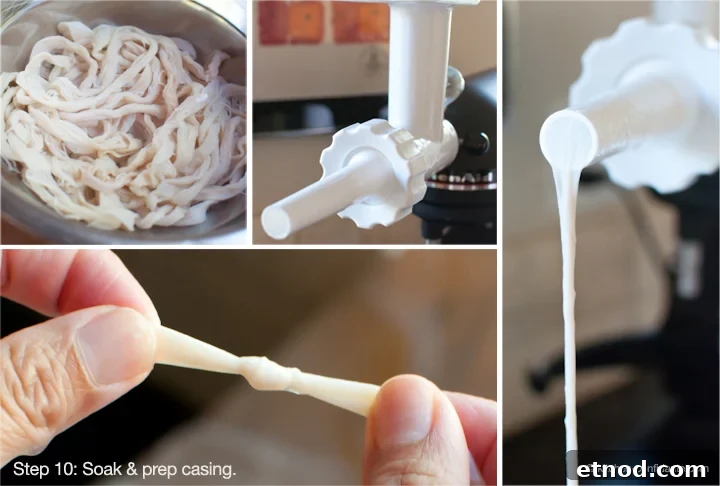
Stuff the Bratwurst
On day two, recruit an extra pair of hands if possible. A sausage-stuffer attachment or kit speeds the job, but a wide-tipped pastry bag can work in a pinch.
Soak hog casings in cold water for about 30 minutes and rinse them thoroughly. Hog casing is sturdy and less likely to tear than sheep casing. Lubricate the stuffer tip with a little olive oil, slide the rinsed casing onto the tube, and tie a knot at one end.
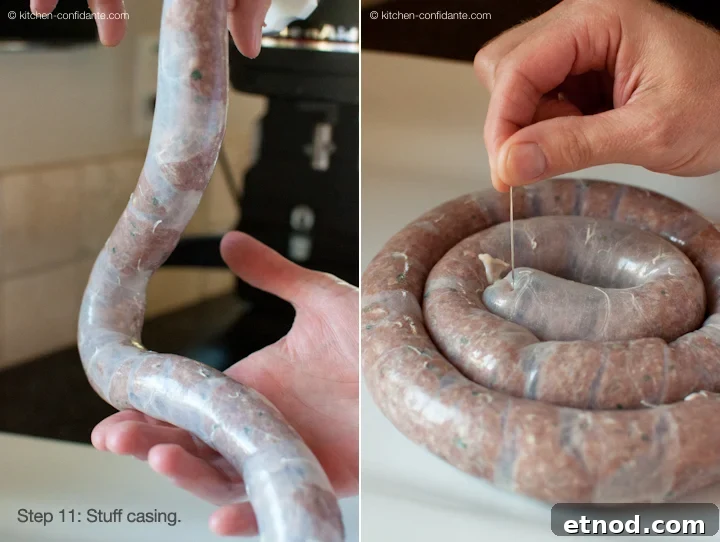
Slowly fill the casing, keeping the filling evenly packed. Tie the other end and use a sterilized needle to release any trapped air bubbles.
Create Sausage Links
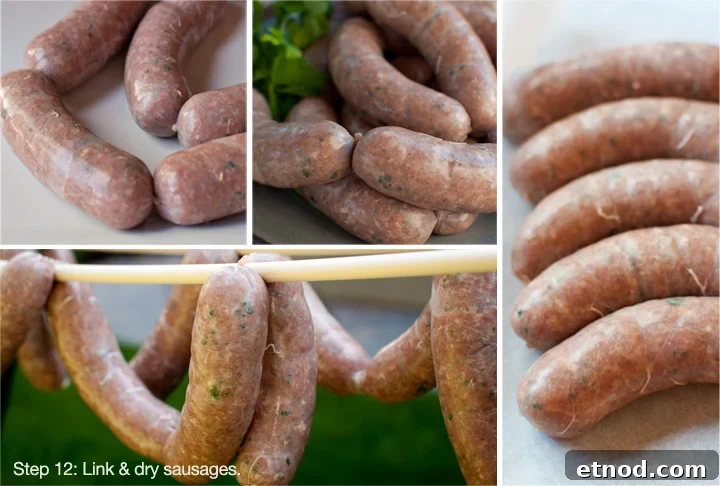
Form links by gathering 6–8 inches of casing and twisting at least three times to seal. Keep in mind the bratwurst will shrink slightly during cooking; size them with your buns in mind.
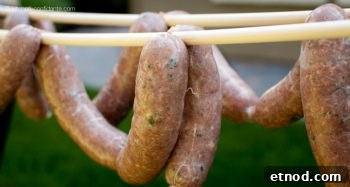
Dry links on wooden dowels or a rack in a cool place for about 30 minutes or until the casings feel dry to the touch. Refrigerate or freeze the sausages until ready to cook; they can be kept 1–2 days in the refrigerator.

Grill the Homemade Bratwurst
Grill your bratwurst over medium heat, turning regularly. Plan on 20–30 minutes to cook them thoroughly. Pour yourself some Hefeweizen, enjoy the aroma, and watch them sizzle.
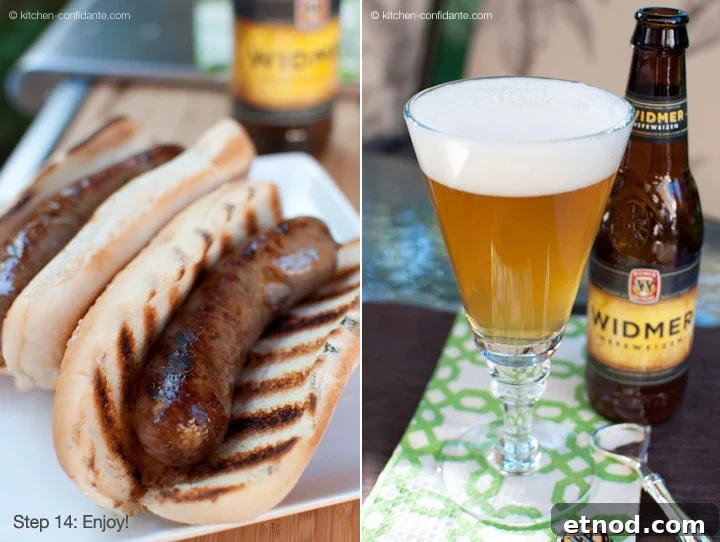
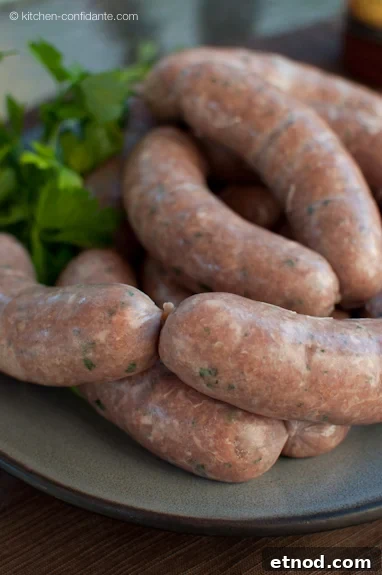
Taste one straight off the grill—you’ll appreciate the authentic Bavarian flavors of a juicy, homemade bratwurst. After making these, store-bought sausages may never quite satisfy the same way.
More Recipes to Try
How to Make a Charcuterie Board
Grilled Pork Skewers with Balsamic Marinade
Adobo-style Grilled Pork Tenderloin
Filipino-style Adobo Burgers
How to Microwave Corn on the Cob
Homemade Beer Bratwurst
Ingredients
- 1.5 lbs pork shoulder/butt
- 1.5 lbs veal leg
- 3 teaspoons Kosher salt
- 1 1/2 teaspoons onion powder
- 1 1/2 teaspoons ground white pepper
- 1 1/2 teaspoons marjoram
- 1 1/2 teaspoons garlic powder
- 1 teaspoon celery salt
- 1/4 teaspoon ground ginger
- 1 teaspoon allspice
- 1/4 teaspoon caraway seeds
- 3 tablespoons Italian flat leaf parsleyleaves only, finely chopped
- 4 oz excellent quality wheat beersuch as Hefeweizen
- about 1 yard of hog casing soaked and rinsed
Instructions
Grind & Mix the Meat
- Freeze meats about one hour. Slice and grind with the coarse plate. Return to freezer 30 minutes.
- Combine seasonings (except beer) and mix into the ground meat by hand or mixer.
- Grind the meat a second time with the fine plate.
- Test seasoning by forming and frying a small patty; adjust if needed.
- Add beer, toss to combine, cover tightly, and refrigerate overnight.
Stuff the Sausage
- Soak casings in cold water for 30 minutes and rinse.
- Lubricate the stuffer tip with olive oil and begin stuffing the casing. Tie a knot at one end. If you don’t have a stuffer, use a wide-tipped pastry bag. Pack the mixture consistently, knot the other end, and use a sterilized needle to release air bubbles.
- Create links by gathering 6–8 inches and twisting at least three times. Remember the bratwurst may shrink during cooking.
- Allow to dry on a rack in a cool place about 30 minutes or until casings are dry to the touch. Refrigerate or freeze until ready to use. Sausages keep 1–2 days in the refrigerator.
Notes
Choosing Casing: Hog casings are recommended for durability.
Grilling: Plan for about 20–30 minutes on the grill to cook bratwurst through.