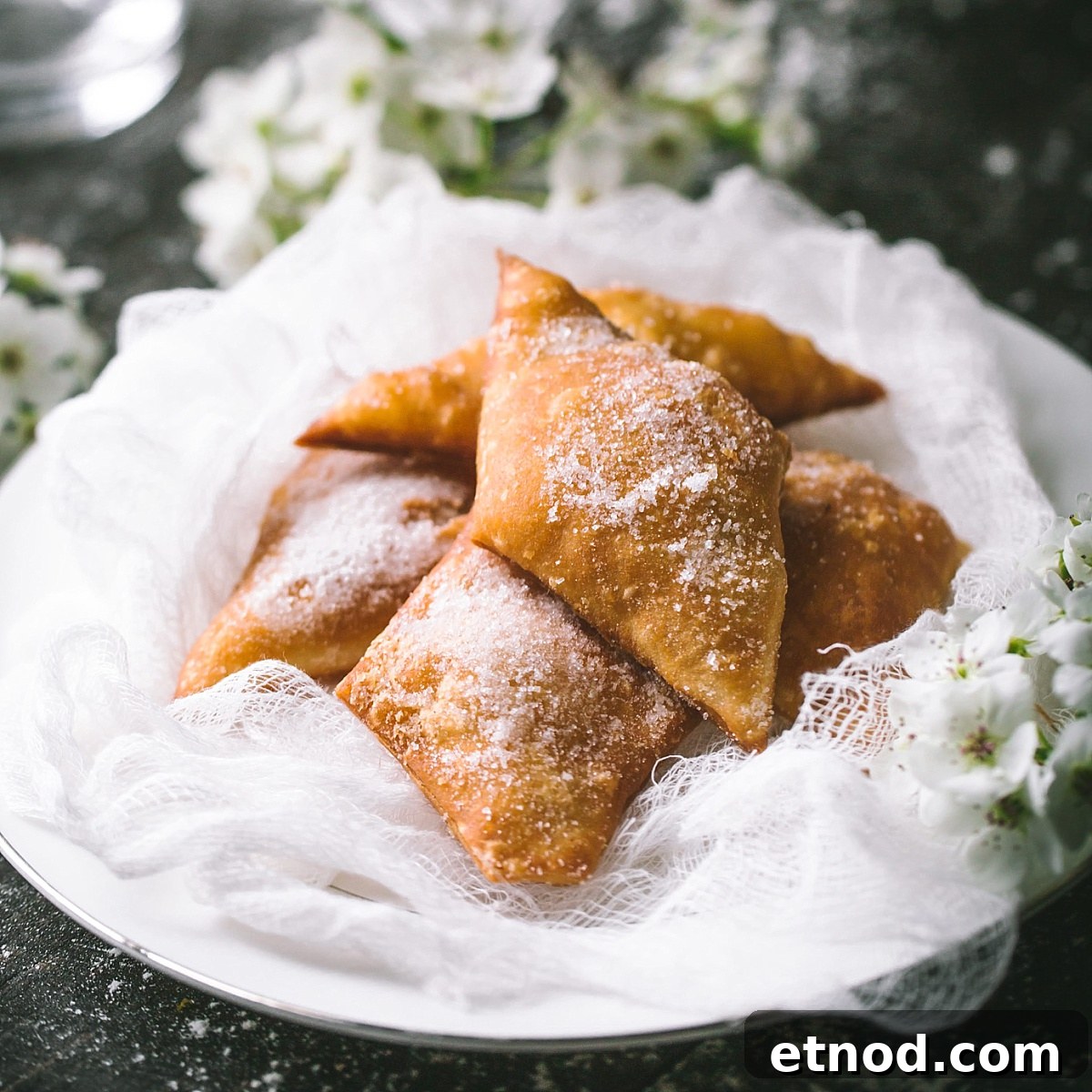
Welcome to The Storied Recipe Podcast — a show about food, culture, and love.
This recipe for beignets without yeast comes from my podcast guest Claire Marie Murray. Listen to her episode “Tales from the French Countryside” while you roll, cut, and fry these light, crispy pastries.
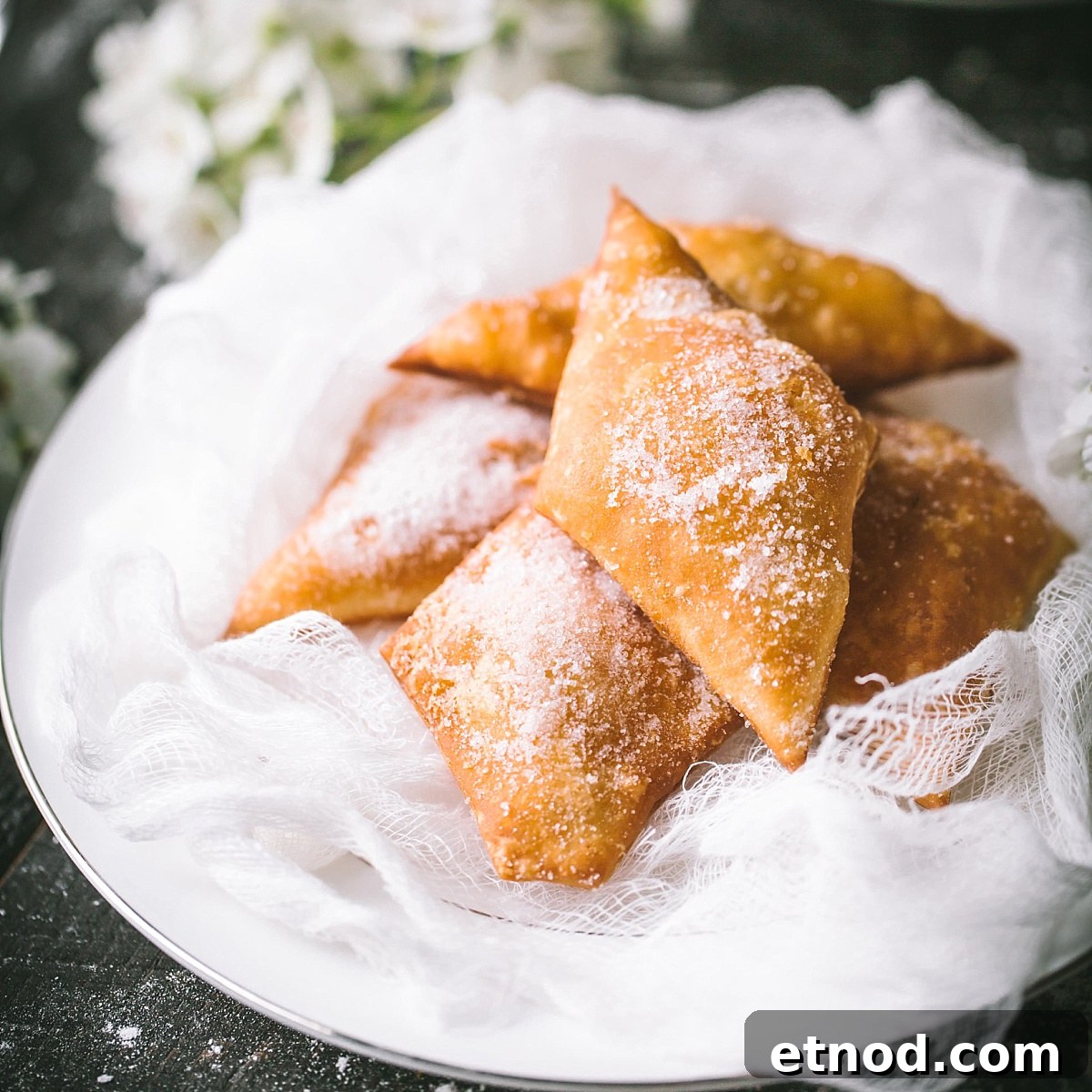
I say Bugnes, you say Beignet!
“Beignet” is the common English name for the French bugnes — a golden, crispy, sweet fried pastry that’s delightful by any name. While New Orleans–style beignets usually use yeast, many French provincial versions are made without it.
Every French town has its own take, and Bugnes Lyonnaises are perhaps the best known. The particular russeroles in this recipe come from the Loire Valley, about four hours from Lyon. Claire Marie learned them there; her grandmother and neighbors made russeroles each year for Mi-Carême, a mid-Lent mini-carnival still celebrated in the region.
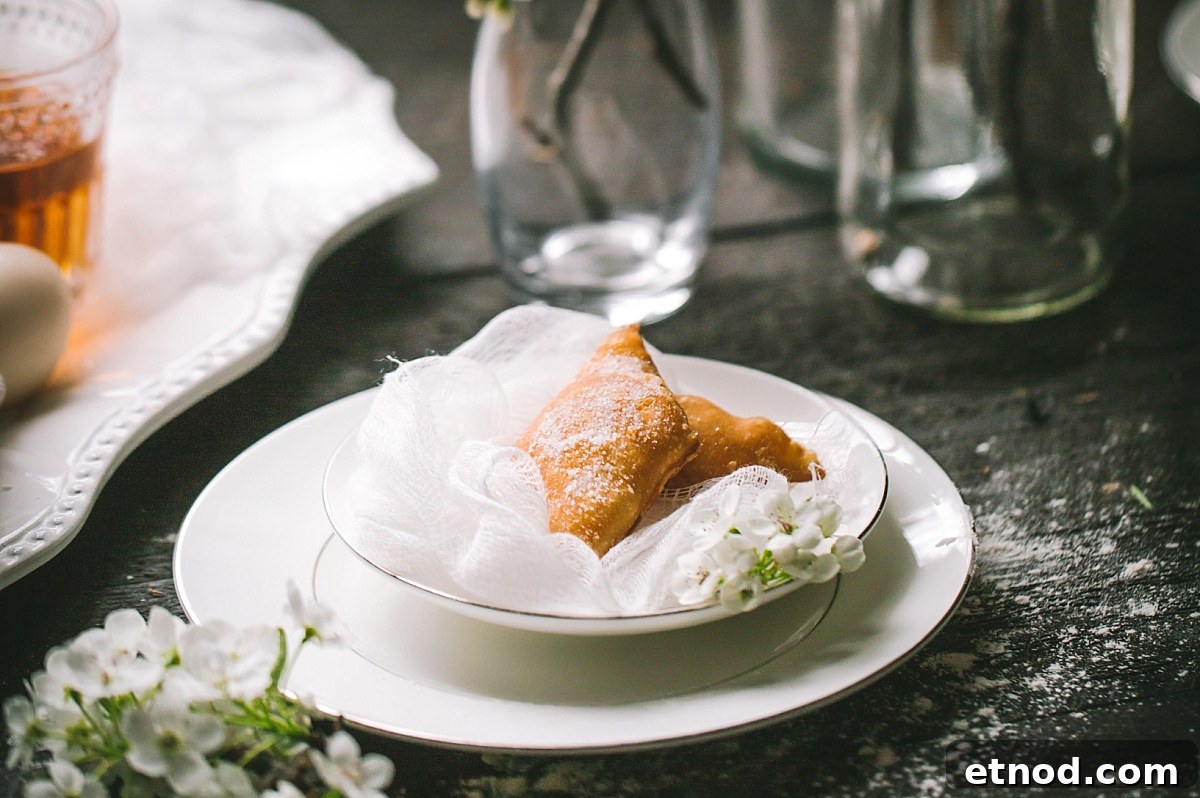
What To Expect (Flavor & Texture)
- These bugnes puff dramatically when they hit hot oil. Roll the dough very thin and watch them expand to many times their original thickness.
- Because they’re made without yeast, the interior is airy and soft rather than chewy or dense.
- A high ratio of eggs gives a slightly stretchy interior and a flavor that hints at French toast.
- They’re finished with a sprinkle of sugar — granulated sugar is traditional in France; powdered sugar is more common in the U.S. — choose your preference.
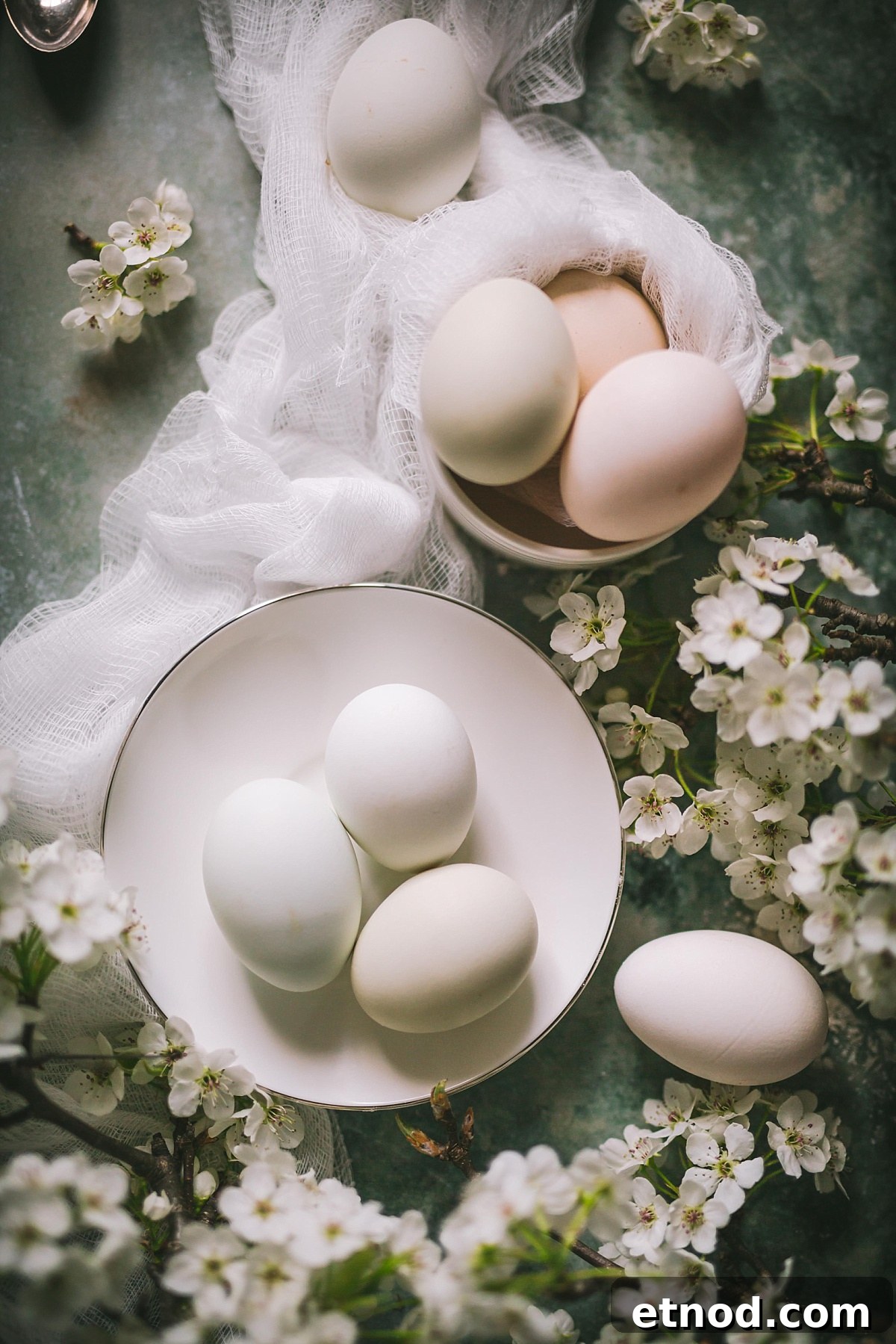
Can You Make Beignets Without Yeast?
Three things give these bugnes their rise and pillowy interior:
- Baking powder: the main leavening agent in this russeroles recipe. It produces the lift and keeps the interior tender.
- Eggs: this recipe uses three eggs, more than in many yeasted beignet recipes, which contributes to structure and flavor.
- Moisture: while not a choux pastry, the dough is deliberately sticky and wet; the steam created in the hot oil helps the pastries puff.
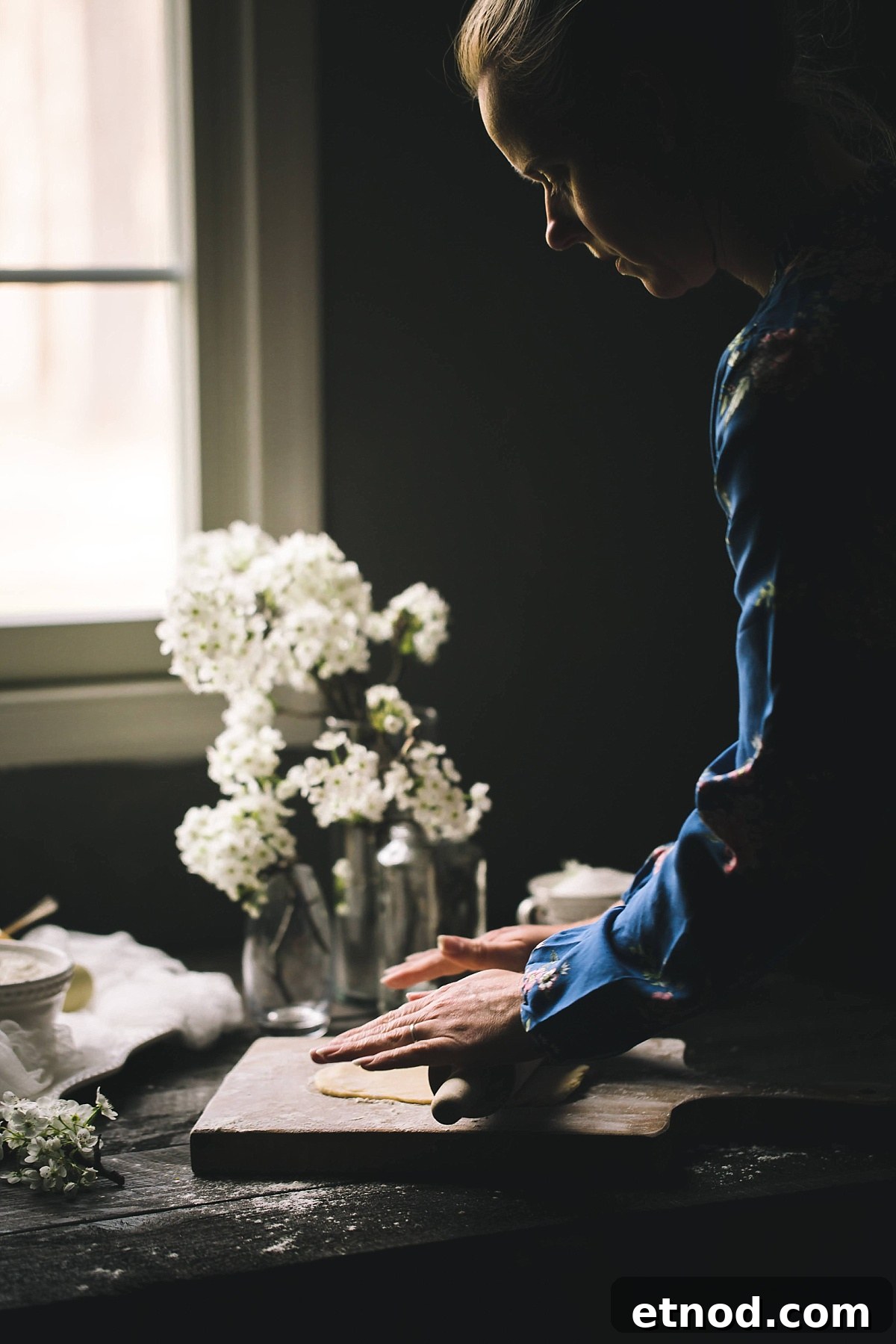
Bread Flour or All-Purpose?
- Bread flour has more protein and is designed for yeasted breads; many beignet recipes that rely on yeast use it.
- Because this recipe does not depend on yeast, all-purpose flour works well and is recommended for these yeast-free bugnes.
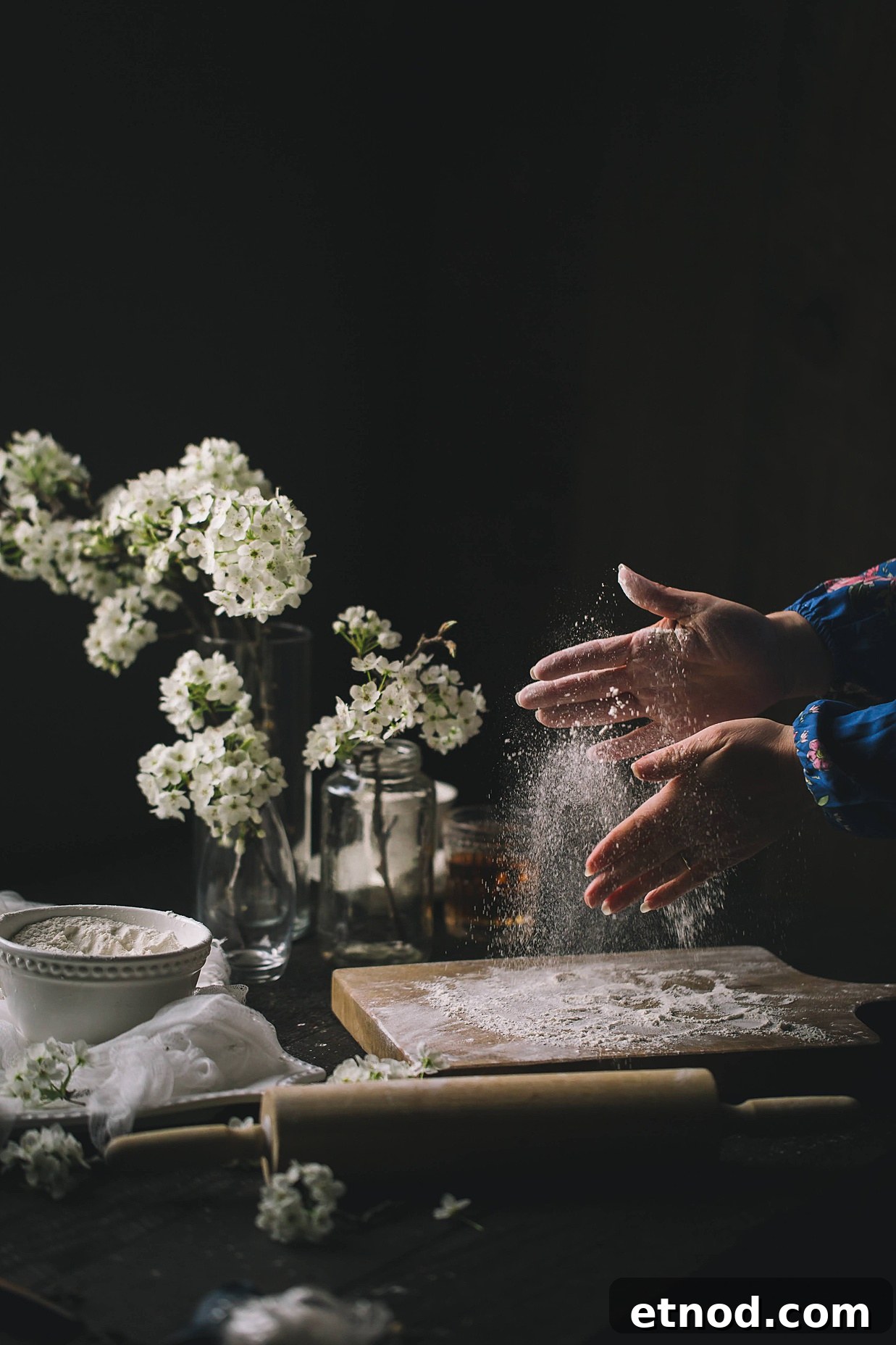
Bugnes to Beignets: A Brief Origin
Fried dough is universal — many cultures have a version. Still, French bugnes trace a long history, possibly back to Roman fried dough and later regional adaptations across France.
Ancient Roots
- Some link bugnes to Roman fried pastries called globi or scriblita.
- Leavening and lighter textures may have been introduced over time, evolving the dough into the airy pastries we recognize today.
From France to New Orleans
- How bugnes reached New Orleans is debated. One story credits French Ursuline nuns in the 18th century; another credits Acadian settlers. Either way, bugnes adapted and became known locally as beignets.
- In New Orleans, places like Café du Monde popularized beignets and eventually began using yeast in their dough and pairing them with chicory café au lait.
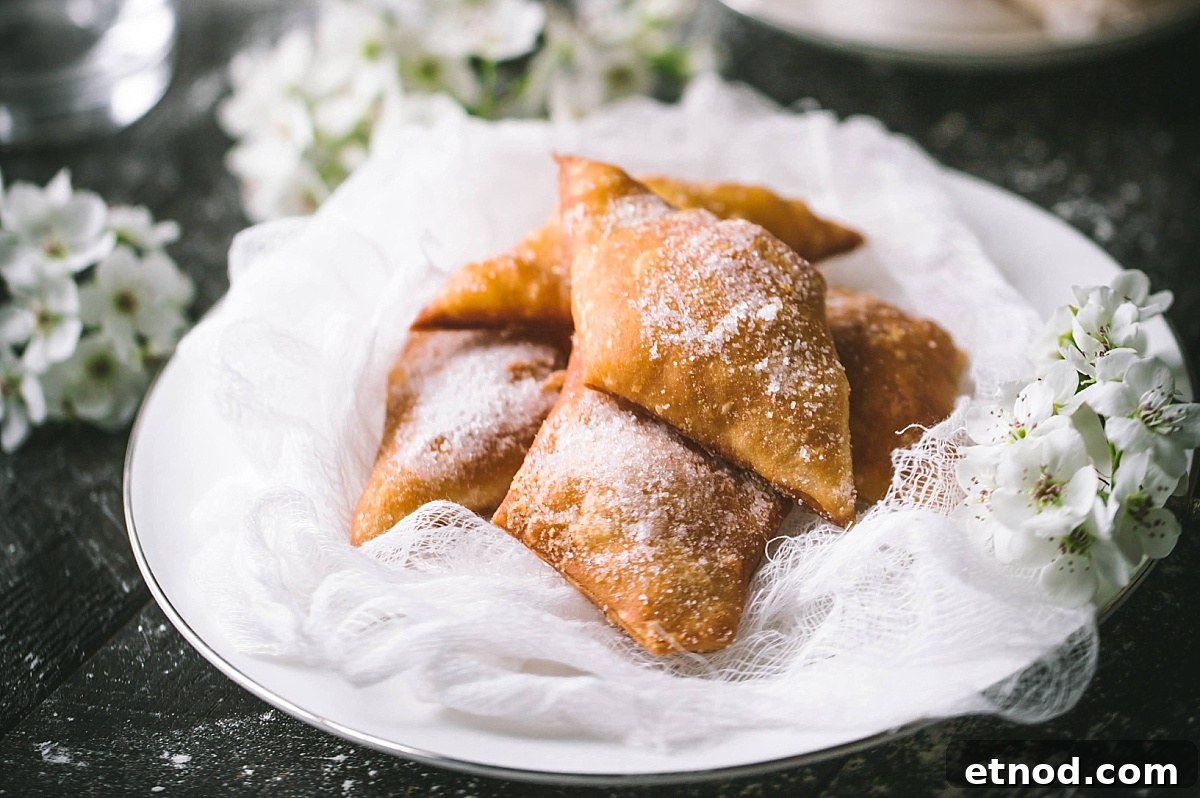
Bugnes, Carnival, and Mi-Carême
- Carnival traditions in France included a period of feasting before Lent; fried pastries like bugnes were enjoyed before fasting began.
- In the Loire Valley, russeroles are tied to Mi-Carême, a local mid-Lent celebration when families share these treats.
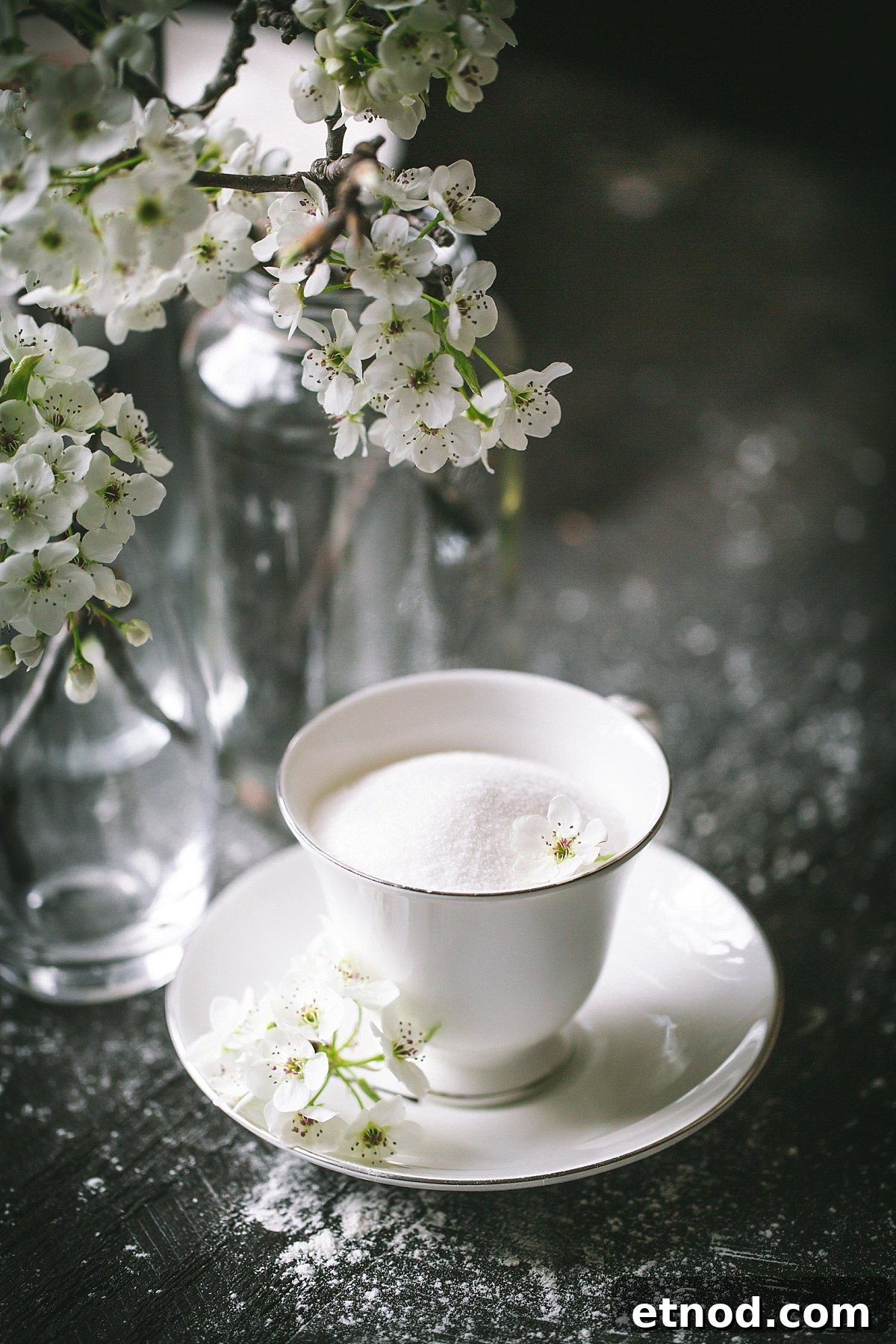
Key Ingredient: Rhum
- “Rhum” in French refers to rum made from sugar cane. Claire Marie’s grandmother sometimes used homemade whiskey (“hooch”).
- Use the alcohol flavor you prefer; vanilla extract can also provide aroma and flavor if you prefer not to use rum.
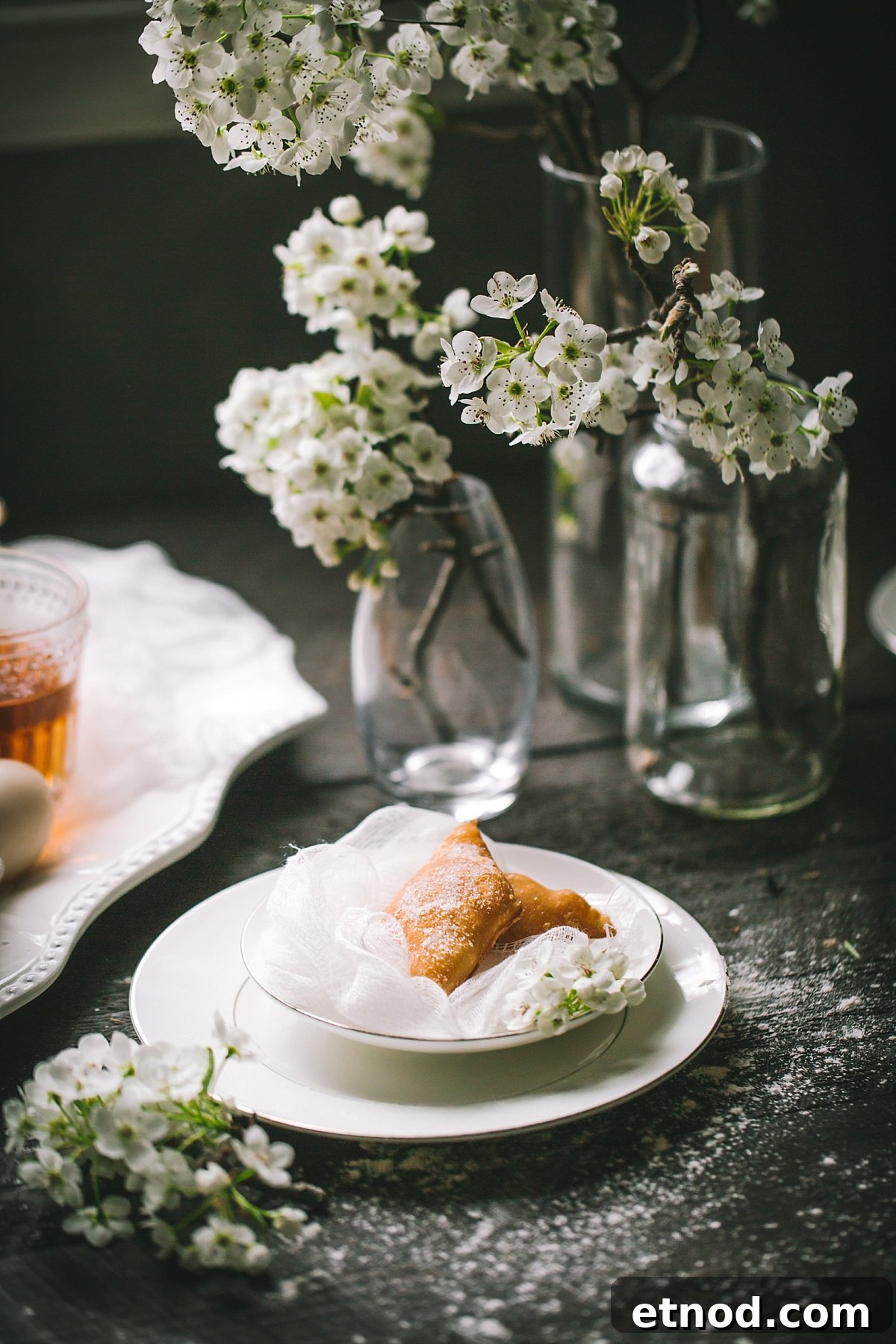
How To Cut the Dough
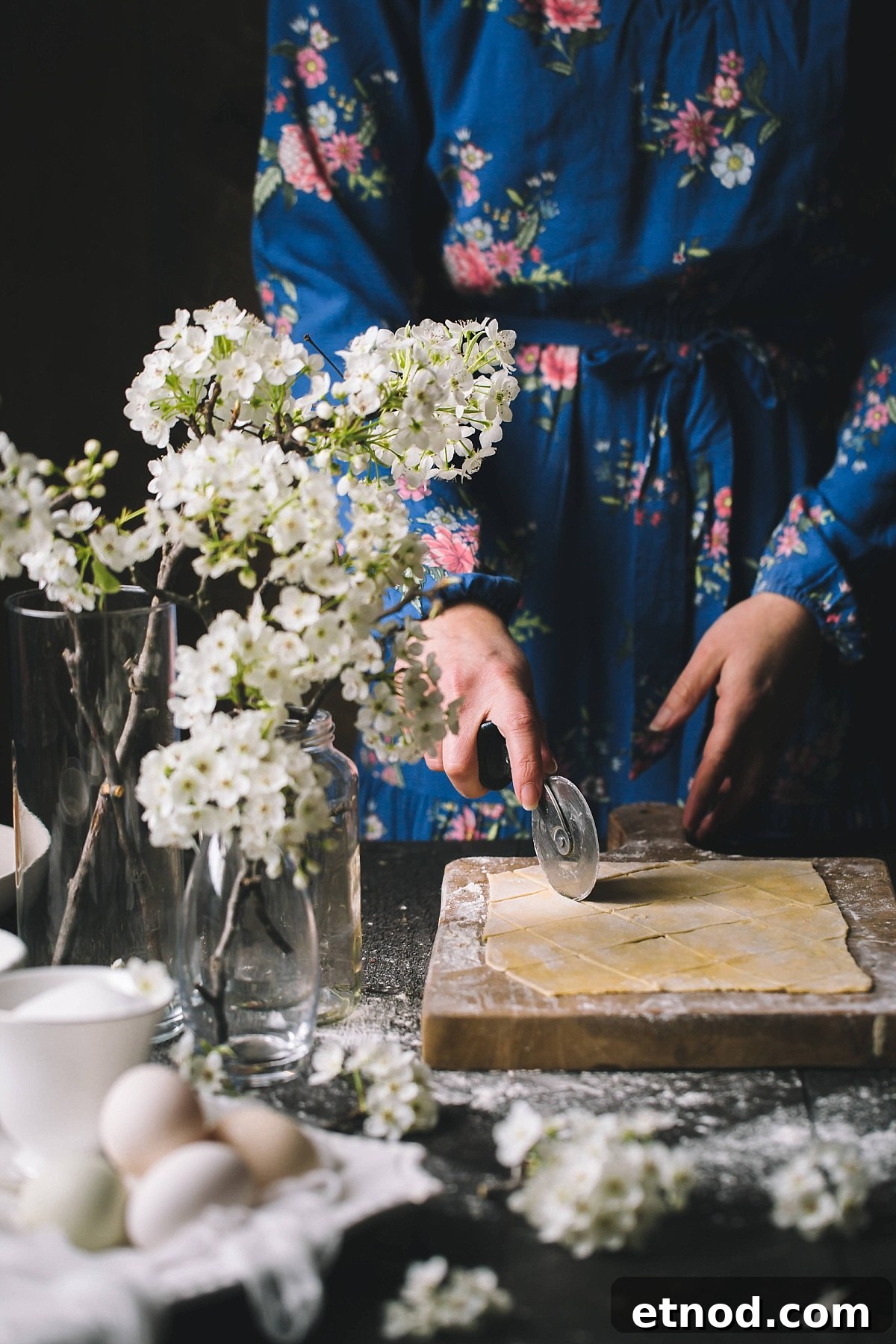
- Work on a well-floured surface — the dough is sticky. Parchment paper helps remove pieces easily without tearing.
- Roll the dough very thin (about 1/8 inch). Trim uneven edges to form a neat rectangle; save trimmings for the next ball of dough.
- American beignets are typically square; French bugnes are often cut into diamonds. Both shapes fry and taste beautifully.
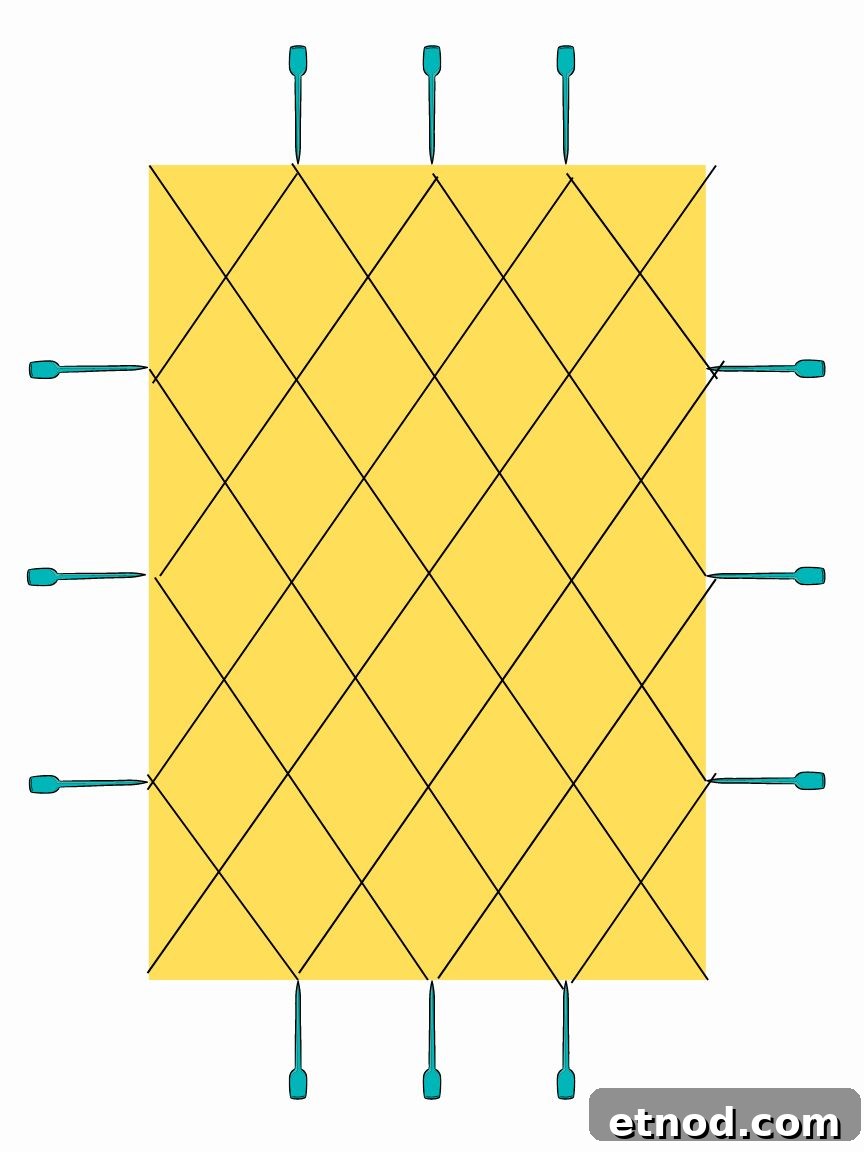
If you cut diamonds:
- Notch the top edge into four equal sections, then repeat on the bottom and sides.
- Connect notches diagonally to form a diamond grid. Cut along both diagonal directions to release diamond shapes. Fry or add leftover triangles to the next dough ball.
Equipment
- Whisk
- Food processor or stand mixer (optional)
- Sharp knife, pastry cutter, or pizza cutter
- Dutch oven, heavy pot, or deep fryer
- Baking sheet and paper towels
- Slotted spoon and a candy thermometer (helpful for frying)
Storage
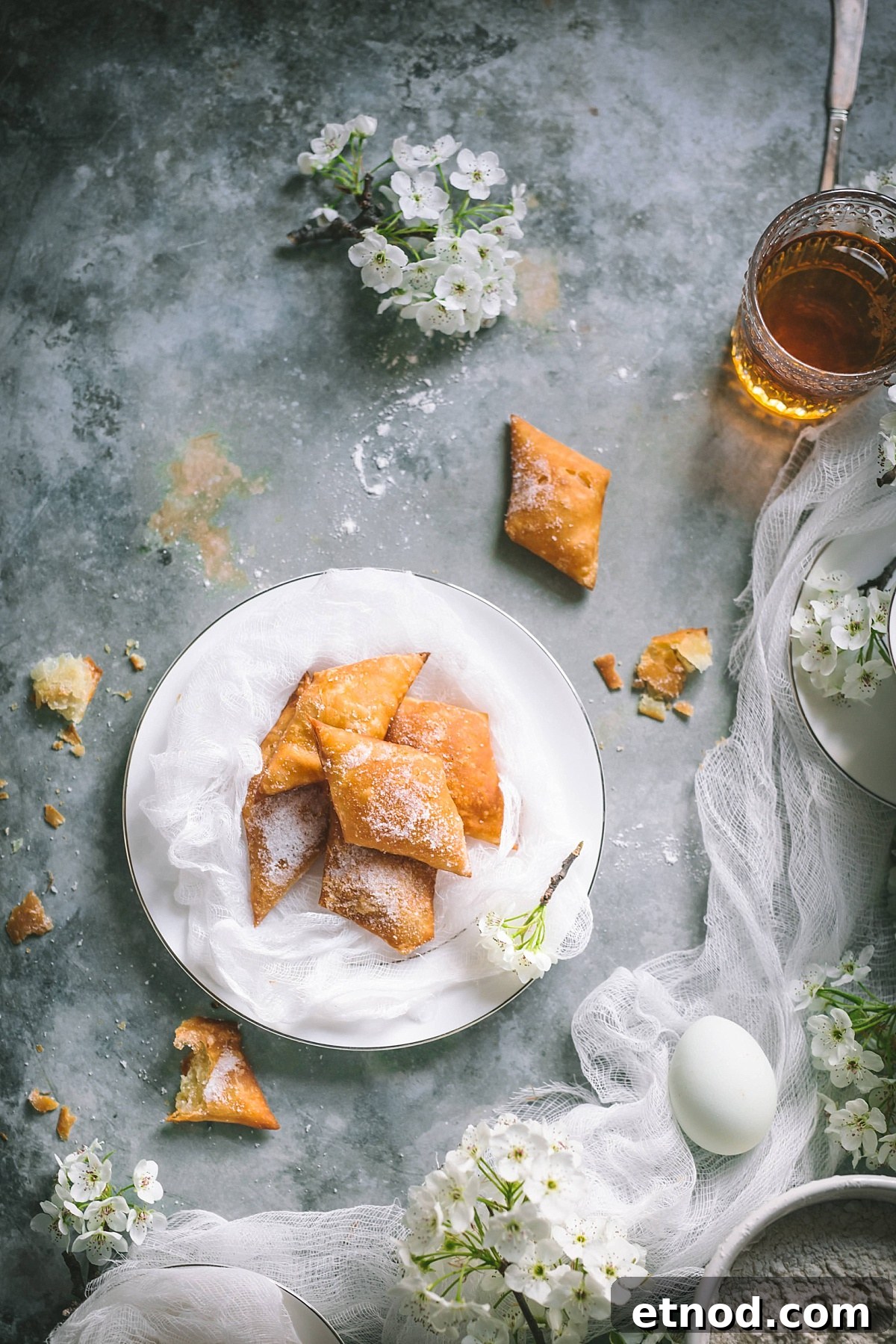
- These are best eaten fresh and hot from the oil. They don’t keep well once cooled and become less crisp.
- Some chefs recommend freezing raw dough for later use; that option can work, but fresh frying yields the best results.
Recipe Contributor: Claire Marie

Claire Marie Murray moved around France many times before settling near her grandmother in the Loire Valley, where castles dot the landscape and local traditions live on.
Her family’s russeroles recipe carries memories and community — a reminder of how food connects generations.
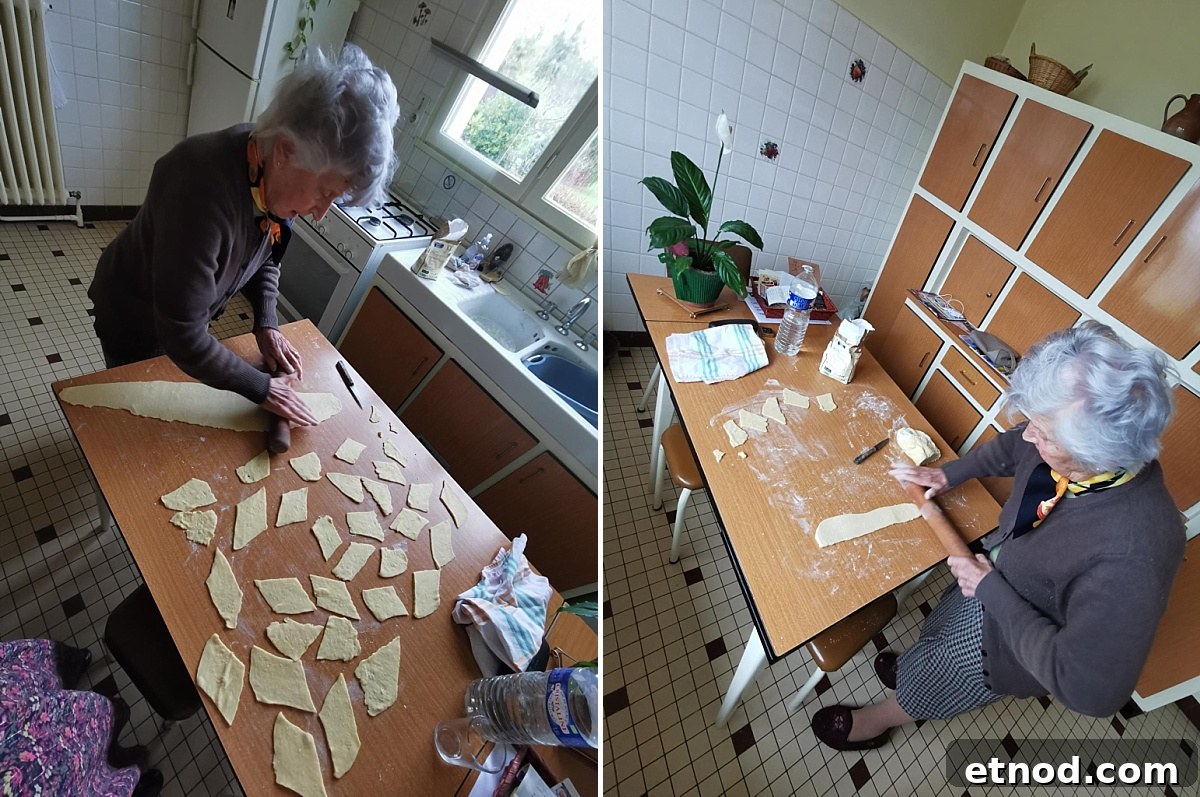
Listen to Claire Marie’s Episode on The Storied Recipe Podcast
Learn more about Claire Marie and her grandmother’s russeroles recipe in the episode “Tales from the French Countryside.”
Recipe
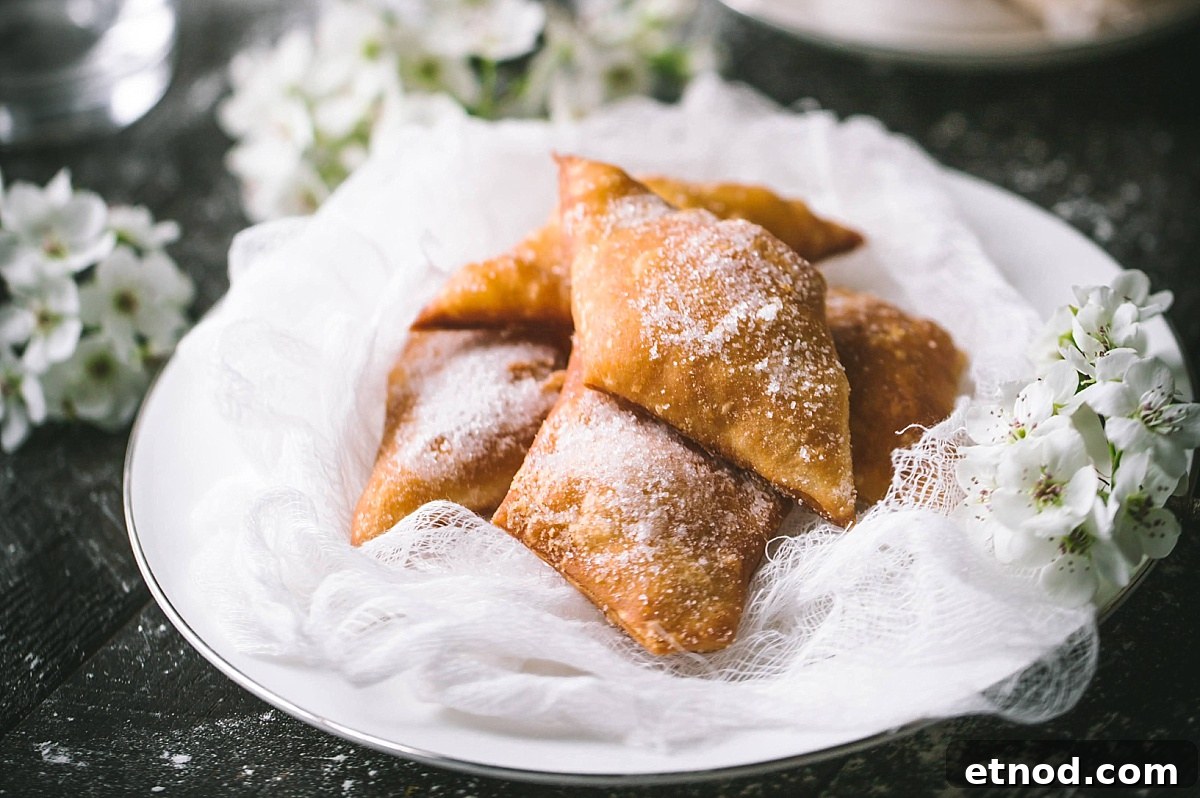
Easy Beignet Recipe NO YEAST from French Countryside
- Total Time: 2 hours 15 minutes
- Yield: 36 servings
Description
How to make beignets without yeast, from an authentic French russeroles recipe. When this dough hits hot oil it expands, producing light, crisp, golden pastries.
Ingredients
- 3 eggs
- 1 pinch salt
- 1 tbsp sugar (plus more to sprinkle)
- 120 g butter, very soft (about ½ cup / 1 stick)
- 12 g baking powder (about 3 tsp)
- 200 g flour (about 1.5 cups) — start with 200 g and add a little more if too sticky
- 1 tsp French rhum (or rum, whiskey, or vanilla extract)
- ½ liter neutral oil for frying (vegetable, canola, etc.)
Instructions
Make the Dough
- Whisk together the eggs, sugar, very soft butter, baking powder, flour, salt, and rhum until combined.
- Lightly work the dough on a floured surface until it is just past sticky. Knead briefly by hand or use a food processor or mixer with a dough hook.
- Form the dough into a ball, cover tightly with plastic wrap, and chill for at least one hour.
- Divide the dough in half. Keep the unused portion refrigerated until ready to roll.
Roll, Cut, and Fry
- Flour your work surface liberally. Roll one ball into a rectangle about 1/8 inch (3 mm) thick.
- Trim edges to form a neat rectangle, then cut into diamonds or squares using a sharp knife, pastry cutter, or pizza cutter.
- Heat 3 inches (about 7 cm) of neutral oil in a heavy pot or Dutch oven to 375°F / 190°C. Test with a small piece of dough — it should puff and brown quickly.
- Fry a few pieces at a time until golden, about 3–5 minutes, turning as needed. Remove with a slotted spoon and drain on paper towels.
- Sprinkle with granulated or powdered sugar and serve warm. Best eaten fresh.
Notes
- Note 1: Start with 200 g flour and add more if the dough is too sticky.
- Note 2: Keep dough you’re not working with chilled; it’s easier to handle cold.
- Note 3: If you don’t have a thermometer, test oil heat with a small dough scrap; it should puff and brown quickly.
- Serve with coffee or café au lait for a classic pairing.
- Prep Time: 1 hour 15 minutes
- Cook Time: 1 hour
- Category: Baking
- Cuisine: Pies and Pastries, Western European
Nutrition (per serving)
- Calories: 163
- Sugar: 0.1 g
- Sodium: 63 mg
- Fat: 16 g
- Saturated Fat: 4 g
- Carbohydrates: 4 g
- Fiber: 0.1 g
- Protein: 1 g
- Cholesterol: 21 mg