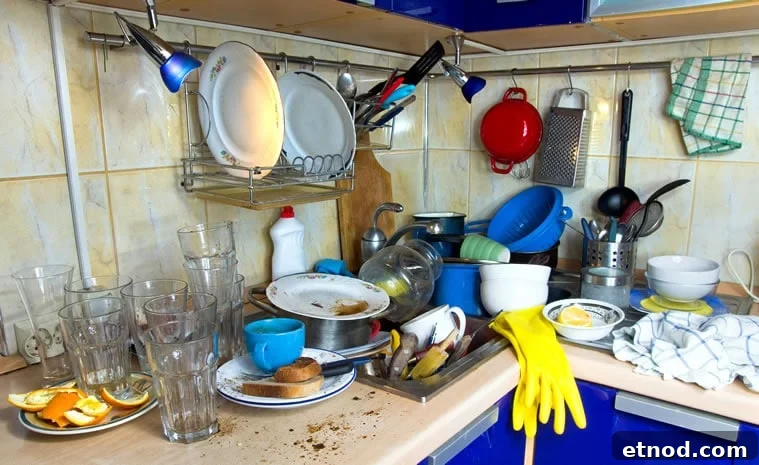
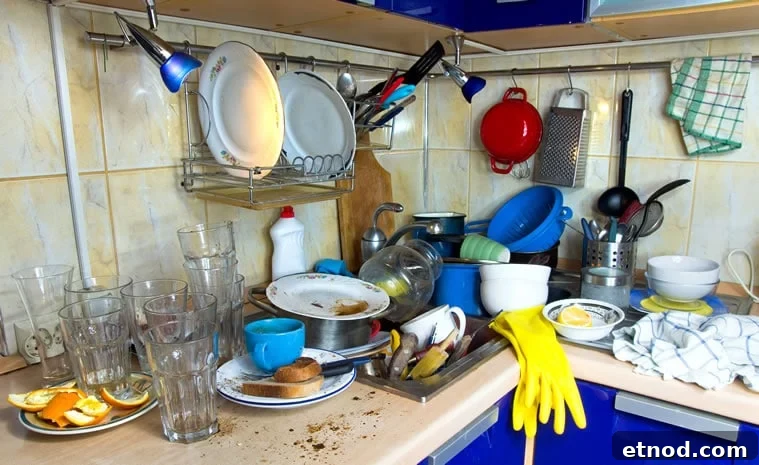
When I ask people what they dislike most about cooking, the answer I hear more than any other is: doing the dishes. It’s a funny response, but it’s also true—few of us enjoy spending time cleaning up after a meal. The good news is that you can cut down dramatically on dirty dishes simply by improving how you cook.
Cooking inevitably creates dishes, but becoming a more skilled, mindful cook reduces the mess you make along the way. Better technique increases efficiency in the kitchen, which means you use less space, waste less time, and leave fewer pots, pans, and bowls to wash.
Here are three straightforward strategies that will help you be a better, more efficient cook—and keep your sink clearer.
1. Read the recipe first to see what’s combined and when
Before you start, skim the recipe and note which ingredients are mixed together at the same time. If several items are combined into a single bowl with no separate prep steps, measure them directly into that one container instead of using multiple small bowls. That small adjustment can eliminate several dishes and streamline the whole process.
2. Use the right pan and bowl sizes
Following the recipe’s recommended pot, pan, and bowl sizes matters. Trying to cram a recipe into a vessel that’s too small usually ends with transferring ingredients to a larger container, which creates an extra dirty dish and wastes time. Decide on the correct vessels before you cook so you won’t need to swap mid-recipe.
3. Avoid cross-contamination
If you work with raw meat, be mindful of where you place utensils, cutting boards, and tools. Setting a spoon or spatula down in a puddle of raw chicken juice or placing a used cutting board on the counter can spread bacteria and force you to clean more items—or worse, risk making someone sick. Keep clean and dirty tools separated, and rinse or wash utensils that touch raw proteins right away to reduce both dishes and health risks.
How to actually become a better cook
Becoming a more efficient cook doesn’t require years of practice or an expensive culinary program. Most great cooks rely on a few core principles that are quick to learn. Practicing those basics improves confidence, speed, and organization in the kitchen.
One useful way to speed your progress is with visual aids and simple systems that walk you through tasks step by step. These tools help you plan, prep, and execute recipes without panic—and with fewer dishes to wash afterwards. Many people find that a little upfront organization saves time and cleanup later.
Small changes add up: pre-reading recipes, using correct-sized cookware, and preventing cross-contamination will make your cooking smoother and reduce the number of items in your sink. The result is tastier meals, less cleanup, and a kitchen that feels easier to manage.
If you want to accelerate learning, consider practicing a few staple techniques—knife skills, proper seasoning, and timing for multi-step dishes. As you build those skills, efficiency and fewer dirty dishes will follow naturally.