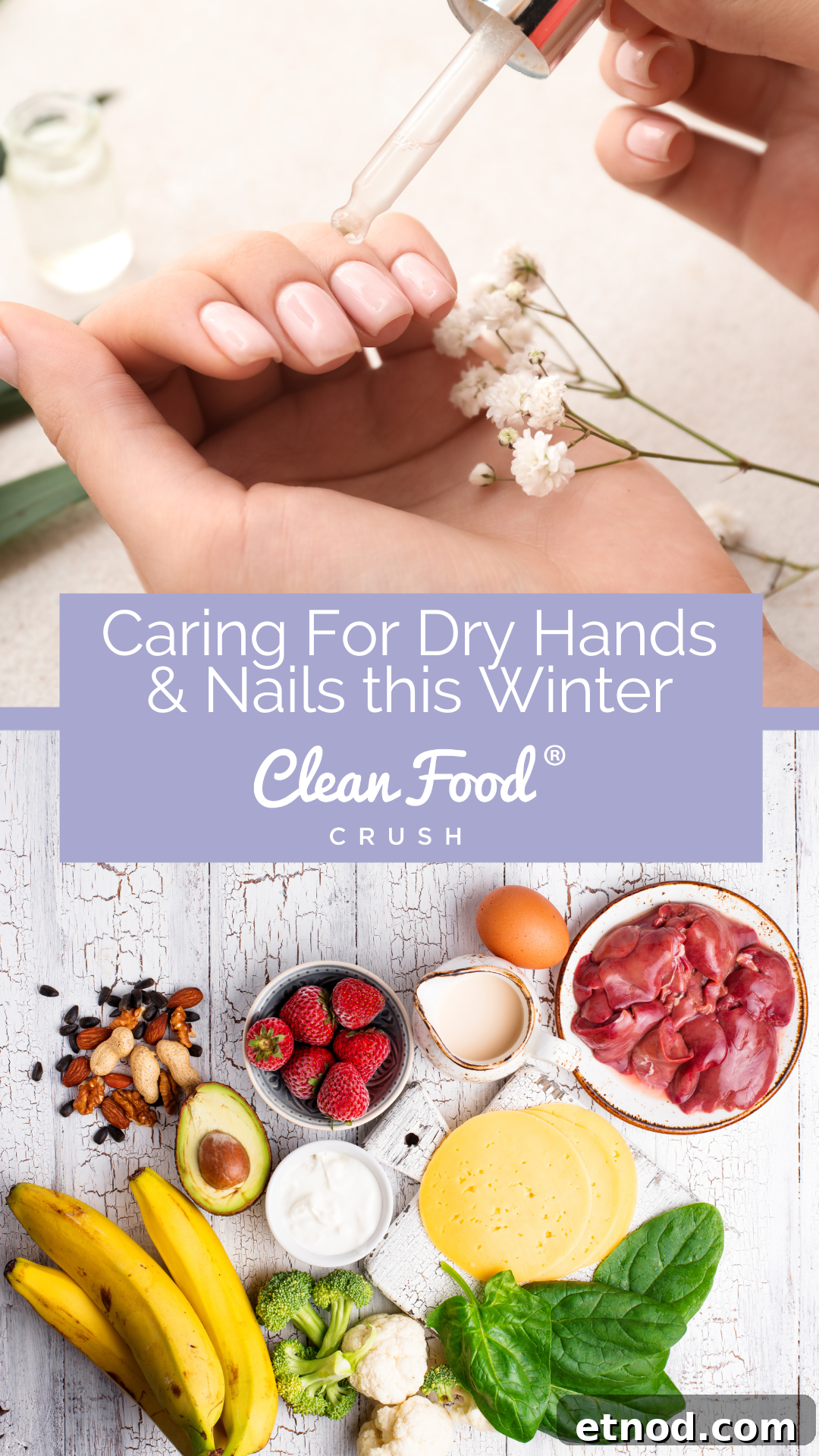
Caring for Dry Hands and Nails in the Winter
Fall and winter bring cozy holidays, comforting food, and fun activities, but the colder months can also be hard on your skin. Dry, rough hands and brittle nails are a common complaint as temperatures drop and indoor heating lowers humidity.
Many people also face winter-related mood changes or find it harder to stay active and hydrated. While those issues require their own strategies, one practical focus for the season is protecting the skin and nails from increased dryness.
Dry skin becomes more common with age, and skin, hair, and nails all need moisture to remain smooth and resilient. Severe dry skin is called xerosis; the tips below are aimed at everyday dryness caused or worsened by cold weather. If you have persistent or painful symptoms, consult a medical professional.
Common contributors to dry, cracked skin include:
- Alcohol-based hand sanitizers
- Skin conditions such as dermatitis or eczema
- Frequent hand washing
- Low indoor humidity
- Sensitivities to preservatives, fragrances, or other ingredients in soaps and cleaners
- Excessive contact with water (doing dishes, laundry, long hot baths or showers)
- Over-cleansing or over-scrubbing
- Dehydration
- Excess unprotected sun exposure
Whatever the cause, dry skin is uncomfortable. Below are six practical tips to prevent and treat dry hands and nails during the colder months.
1. Wash Your Hands Correctly
Start with thoughtful handwashing. Hygiene matters, but over-washing strips skin of protective oils. Try to limit nonessential hand washes to avoid exceeding 10–15 washes per day. When you do wash, use lukewarm water rather than very hot water—lukewarm is effective and gentler on the skin.
Choose mild, moisturizing soaps without harsh detergents, fragrances, or unnecessary chemicals. Look for gentle cleansing options formulated for dry or sensitive skin; ingredients like glycerin and ceramides can help lock in moisture.
2. Practice Regular and Effective Moisturizing
Moisturize regularly. Even oily skin benefits from hydration—without it, the skin may overproduce oil to compensate. For very dry hands, apply a thicker ointment at bedtime and wear cotton gloves to lock in moisture overnight. The same technique works well for dry feet with socks.
Prefer creams and ointments over thin water-based lotions when treating dry hands and nails. Look for petrolatum, ceramides, waxes, and shea butter as helpful ingredients. Avoid scented products that can irritate sensitive skin.
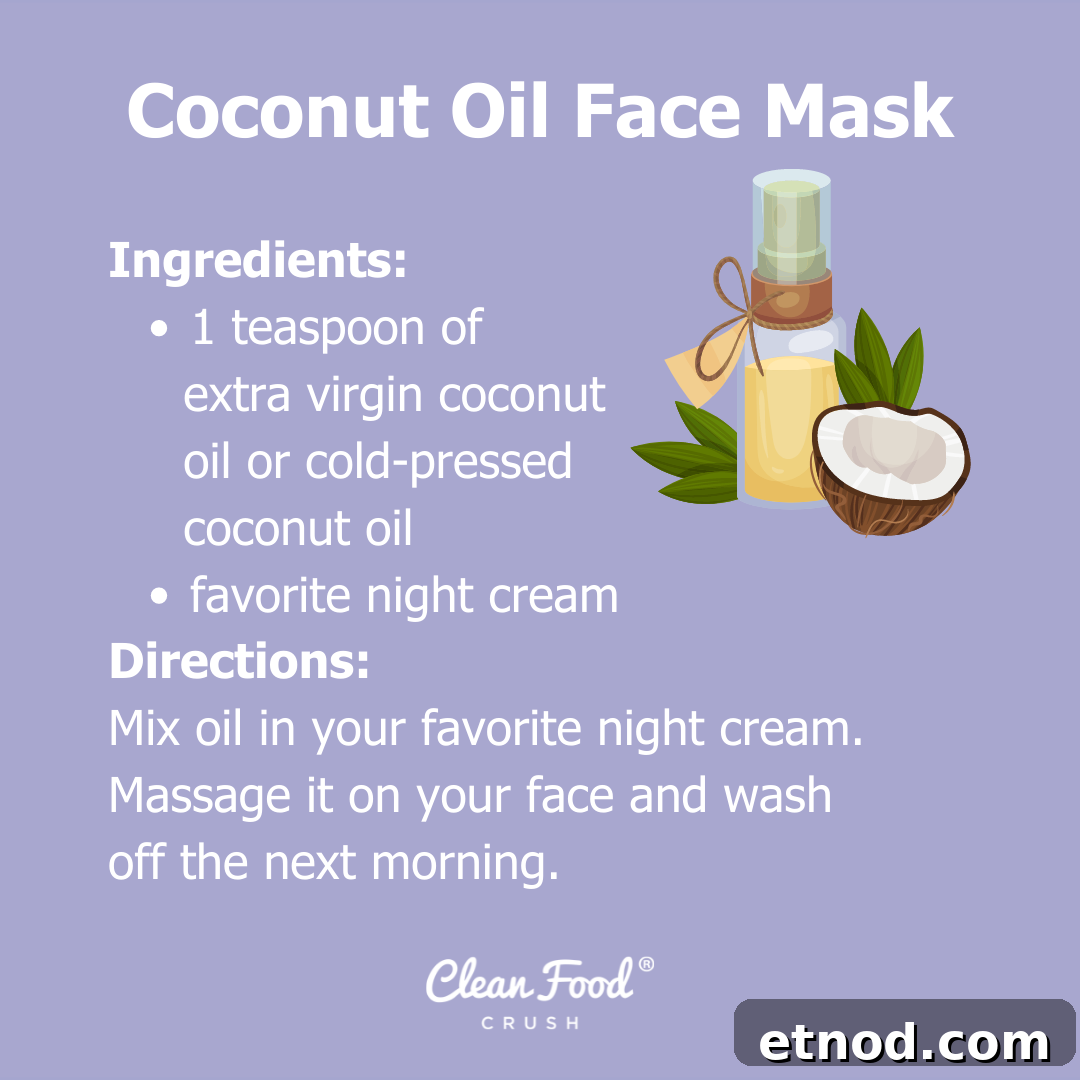
For the face, use a hydrating moisturizer twice daily and consider serums or mists that include hyaluronic acid, glycerin, peptides, or ceramides for extra support.
Some effective home remedies include:
- Vaseline for lips, hands, feet, and elbows (too heavy for most faces)
- Olive oil applied overnight for added natural oil
- Honey as a short (10-minute) topical treatment before rinsing with lukewarm water
3. Use a Humidifier
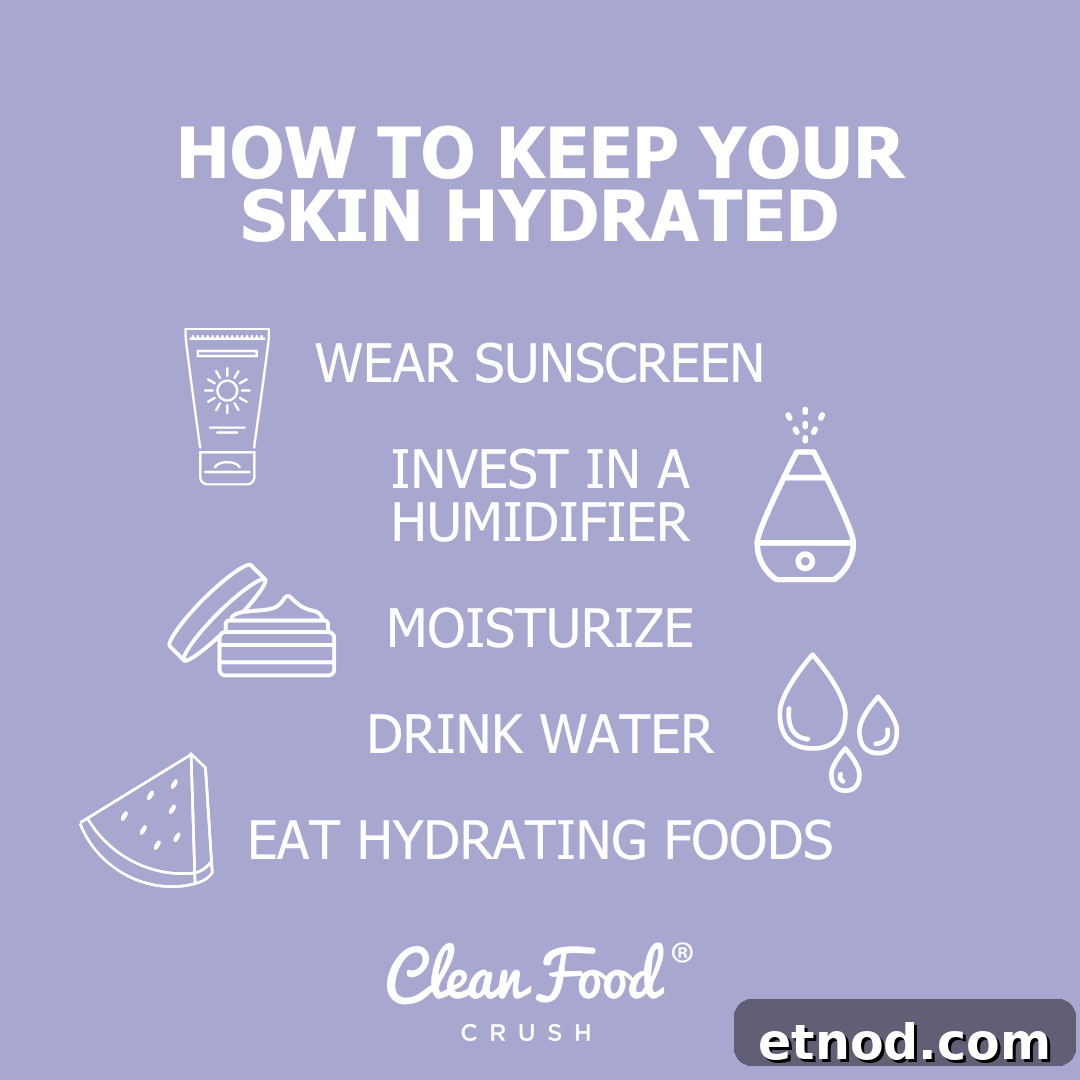
Indoor heat during fall and winter reduces humidity and dries skin. Running a humidifier in the bedroom or main living area adds moisture to the air and helps prevent skin from losing hydration. Keep the device clean to avoid mold or bacteria buildup.
4. Use Sunscreen and Protective Gloves
Sun exposure can dehydrate skin even in cold weather, so apply SPF daily. Look for a moisturizer with SPF to simplify your routine. Also, protect your hands with gloves when washing dishes, cleaning, or working outdoors. Repeated immersion in water strips natural oils—rubber or latex gloves lined with cotton provide a good barrier.
5. Pay Specific Attention to Your Nails
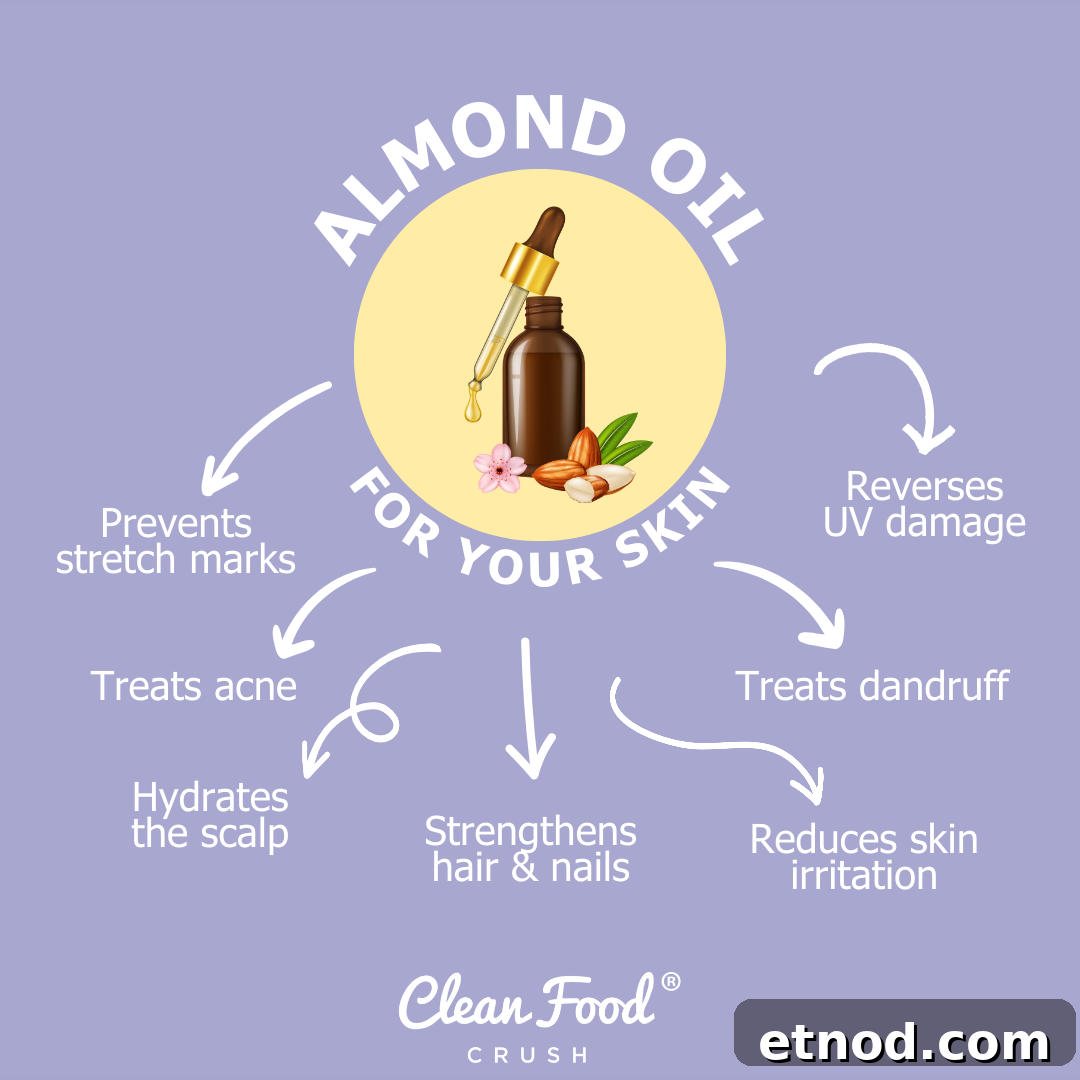
Trim and file nails when they are slightly wet to reduce splitting. Apply creams, cuticle oils, or ointments daily—especially after washing—to keep nails and cuticles hydrated. Products designed for cuticles or a revitalizing nail serum can be especially helpful; thicker creams and oils typically provide better protection than light lotions.
Consider dietary support such as biotin supplements if you have concerns about nail strength, but check with your doctor before starting any new supplement.
6. Drink More Water and Maintain a Nourishing Diet
Hydration matters. Drinking enough water supports overall skin and nail health. A nutrient-rich diet with fruits, vegetables, whole grains, nuts, and healthy oils can supply vitamins and minerals that help maintain skin hydration and nail strength, potentially reducing the need for supplements.
Hydrating meals and soups also contribute to fluid intake. Examples of hydrating, nutrient-dense dishes include warm homemade cider, vegetable-packed soups, salads with high-water-content greens, and dishes that supply biotin-rich foods like eggs, legumes, and sweet potatoes.

Additional Notes and When to See a Doctor
If dry skin is accompanied by discoloration, persistent pain, bleeding, swelling, drainage, increased redness, or significant itching, consult your healthcare provider or a dermatologist. These signs may indicate an infection or a condition that needs medical treatment.
For ordinary seasonal dryness, adopt gentle washing habits, regular moisturizing, environmental adjustments like a humidifier, protective measures such as gloves and sunscreen, attentive nail care, and good hydration and nutrition. Taking a few consistent steps can make winter and fall more comfortable for your skin and nails—so you can enjoy the season with less irritation.