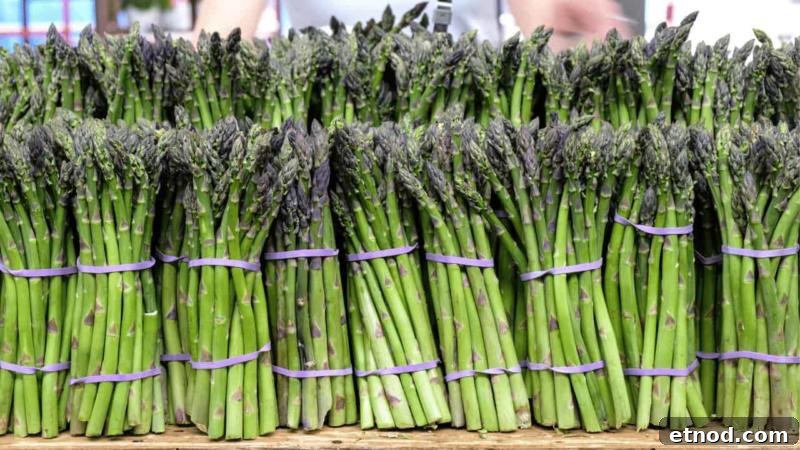
How Much is a Bunch of Asparagus?
If you’re portioning vegetables to fit a diet or a recipe, you might wonder what a “bunch” of asparagus actually contains. Unlike packaged veggies, fresh asparagus sold by the bunch rarely comes with a clear weight or nutrition label, which leaves many shoppers guessing.
Whether you’re switching to fresh produce for better flavor and nutrients or watching your grocery budget, it helps to know how many spears make up a bunch, what that translates to in servings and cups, and how much you can expect to pay.
This article breaks down practical measurements, serving guidance, cost expectations, and the basic nutrition of a typical bunch of asparagus so you can shop and cook with confidence.
Table of Contents
How much is a bunch of asparagus?
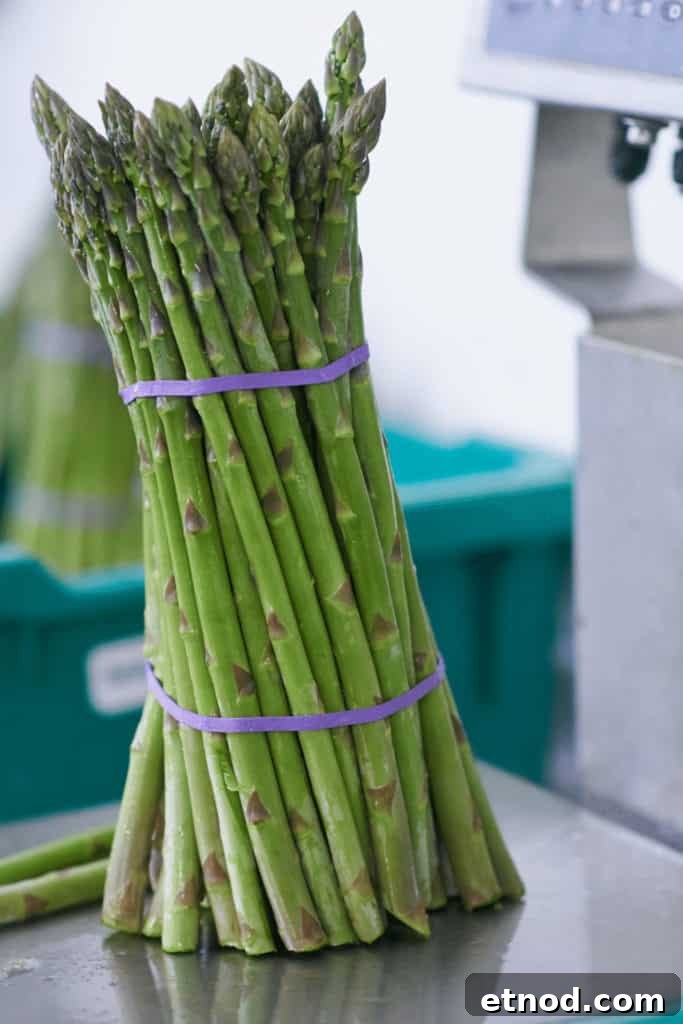
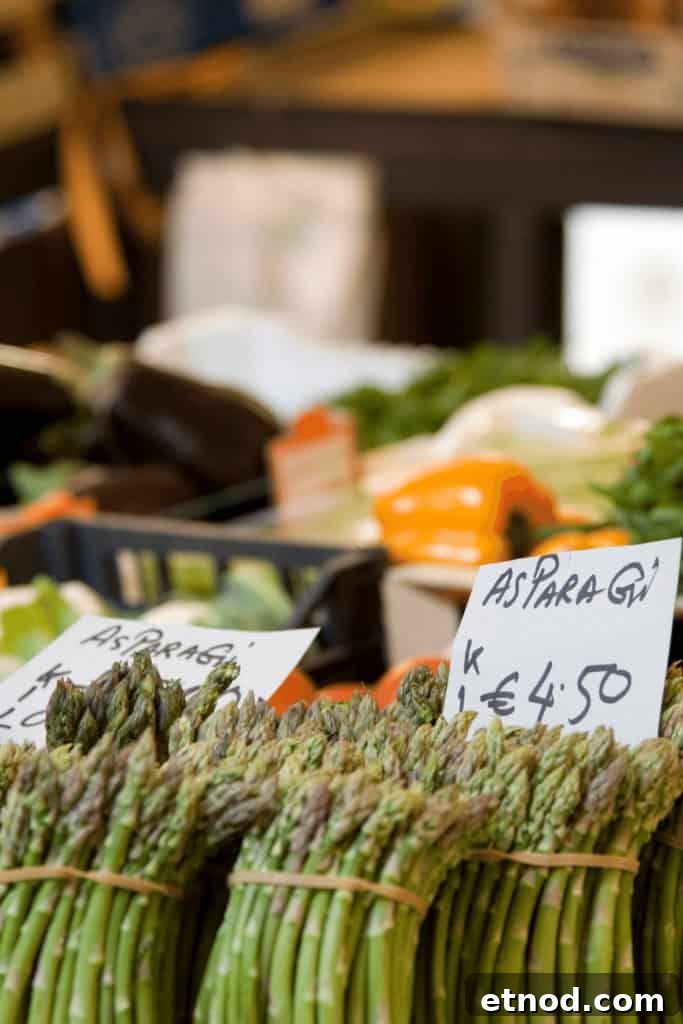
Bunch sizes vary, typically from about 0.75 pounds to over 2 pounds. If you want roughly one pound, look for a bunch with about 12–15 large spears that are around 10 inches long. On average, a bunch of asparagus costs around $3, and the exact nutritional content depends on the bunch size and how you prepare it.
Measurements conversion for a bunch of asparagus
Because bunches are sold in different sizes, counting spears and noting their thickness helps estimate weight. Here are quick conversions to guide you:
- 1 pound = about 12–15 large spears.
- 1 pound = about 20–30 medium spears.
- 1 pound = about 30–40 small spears.
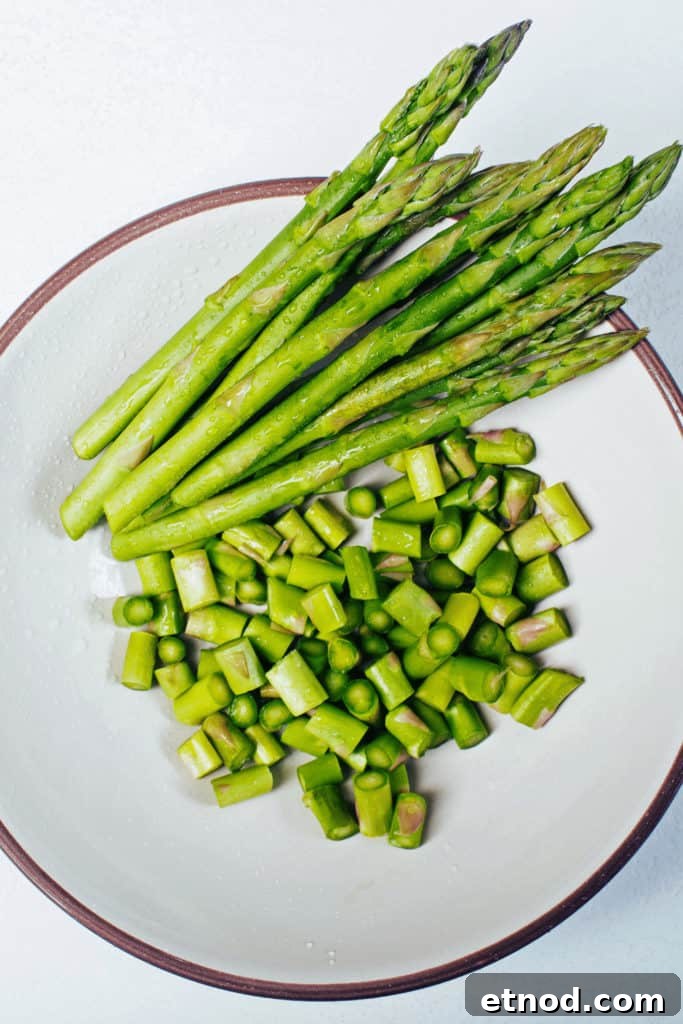
- 1 pound of asparagus (chopped) ≈ 3 cups.
To find a half-pound, halve those numbers; for two pounds, double them. These simple rules make it easier to buy the right amount for recipes or meal planning.
Serving sizes for asparagus bunches
A standard serving of asparagus is:
- Six medium spears, or
- 1/2 cup chopped asparagus, or
- About 3 ounces cooked.
A pound of medium spears typically provides three to five servings, depending on portion size and appetite. If spears are very small or very large, serving counts will change, so letting guests serve themselves is an easy alternative for casual meals.
Cost of a bunch of asparagus
Prices vary by region, season, and whether the asparagus is conventional or organic. Typical price ranges are:
- Conventional bunch: about $2.72–$3.50.
- Organic bunch: around $5.00.
Canned asparagus can appear cheaper per item, with prices from roughly $1.78 to $3.58, but cans often yield fewer servings and may contain added sodium and preservatives. Buying fresh usually gives you more usable asparagus and better texture after cooking.
The nutritional content of a bunch of asparagus
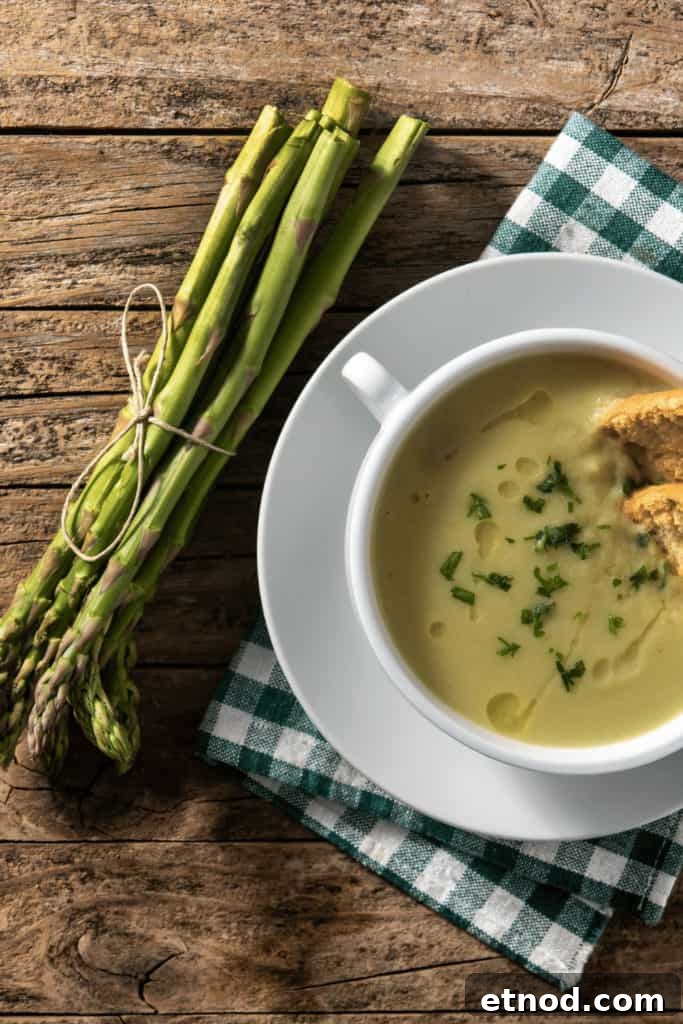
Exact nutrition depends on the bunch size, but per-cup cooked values offer a useful estimate. One cup of cooked asparagus contains roughly:
- About 20 calories
- 3.7 g carbohydrates
- 2.2 g protein
- 1.8 g fiber
- Negligible fat
Multiply those values by about four to estimate a pound of asparagus. Asparagus is also a good source of folate, potassium, calcium, and vitamins A, C, and B6, making it a nutritious, low-calorie vegetable choice.
Why you should buy a bunch of asparagus
Fresh asparagus usually offers better texture and flavor than frozen or canned options. Frozen asparagus can become soft when cooked, and many canned vegetables lose nutrients during processing and contain added sodium. While canned asparagus may retain some nutrients, fresh asparagus typically tastes better and provides more volume per purchase.
Buying fresh also gives you flexibility: roast, grill, steam, or eat raw in salads. If you value flavor and texture, a fresh bunch is usually worth the modest extra cost.
Frequently Asked Questions
What are the side effects of eating asparagus?
Asparagus is nutritious but high in fiber, which can cause gas or abdominal discomfort in some people. It also contains compounds that can make urine have a distinctive odor.
Is it healthier to eat asparagus raw or cooked?
Both raw and cooked asparagus have benefits. Raw asparagus may retain slightly more nutrients but can be tougher to chew. Lightly steaming or roasting preserves texture and flavor while making it easier to digest.
What happens if you eat asparagus every day?
Including asparagus regularly as part of a varied diet can support digestive health and provide vitamins and minerals linked to heart and metabolic health. As with any food, aim for balance and variety across your meals.