Probiotics are widely discussed, but prebiotics deserve equal attention. This article explains the difference between probiotics and prebiotics, highlights their benefits, and offers simple ways to include both in your daily routine to support gut health.
Probiotics & Prebiotics – what’s the difference?
Probiotics are live microorganisms found in certain foods and supplements that help maintain and restore the balance of beneficial bacteria in the digestive tract. They support digestion, nutrient absorption, and immune function. Common sources include yogurt, kefir, sauerkraut, kimchi, tempeh, miso, and naturally fermented pickles.
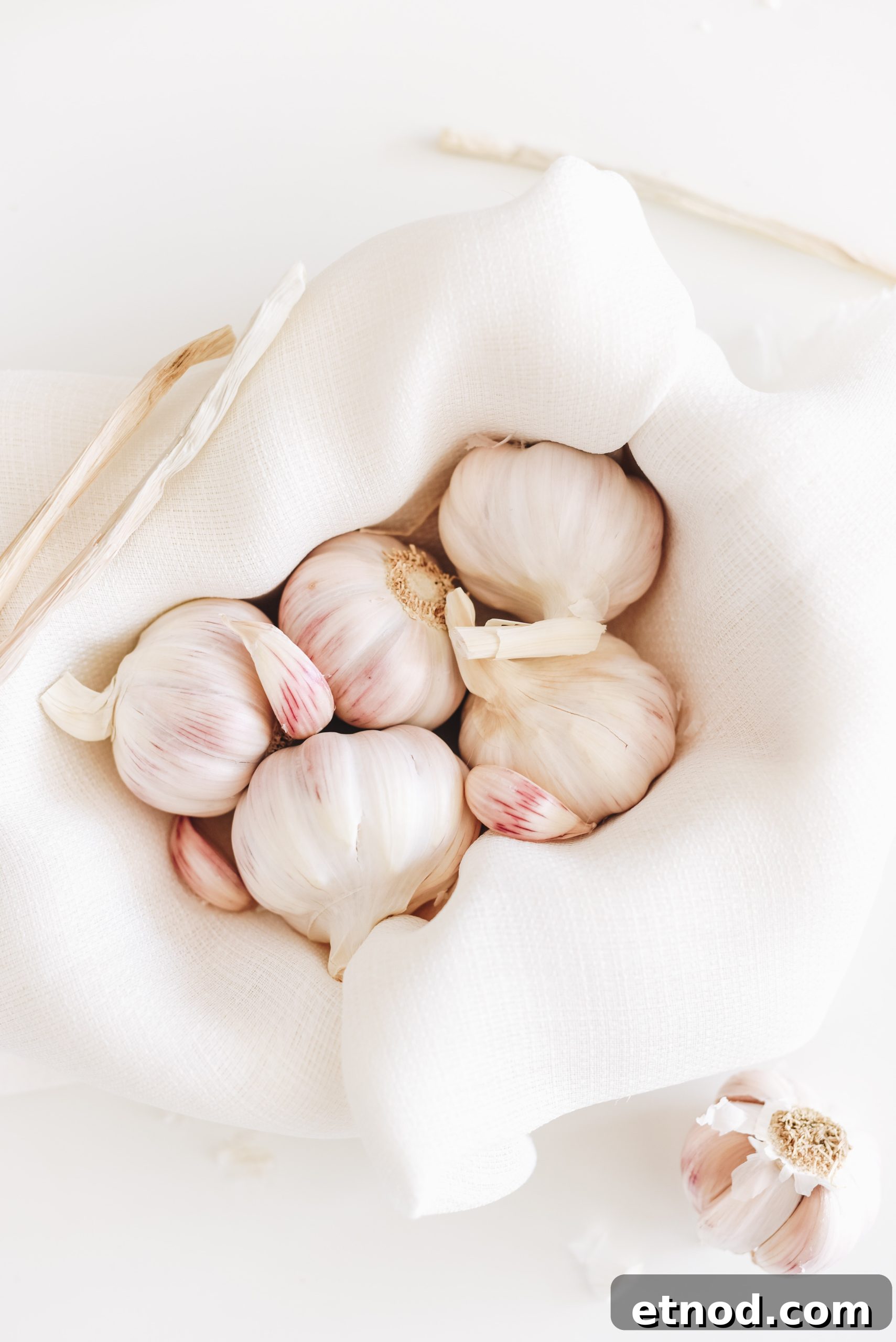
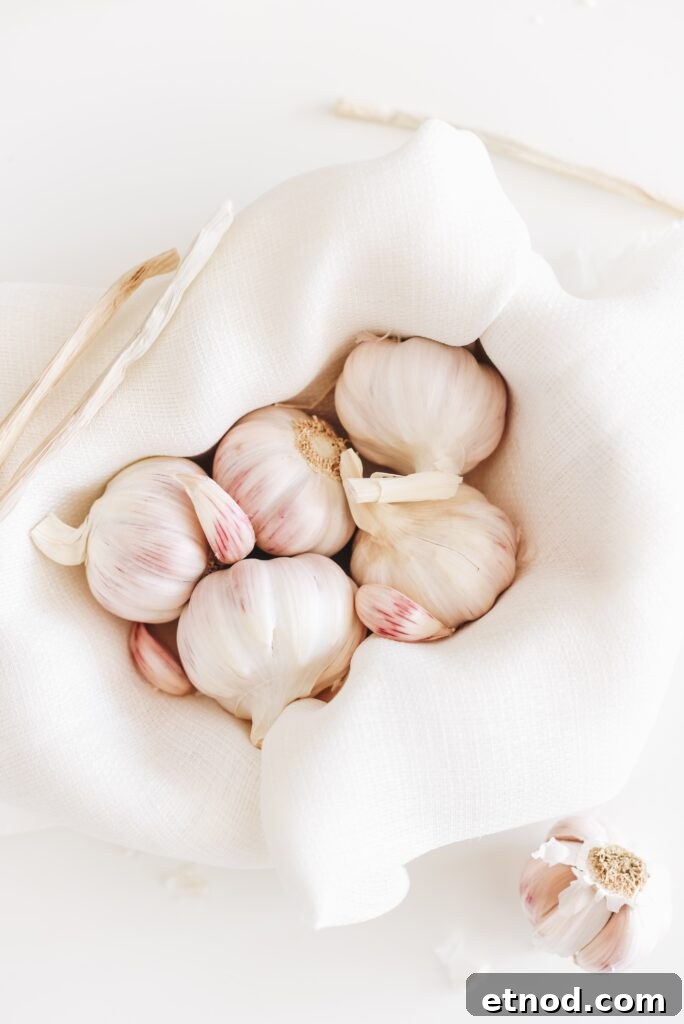
Prebiotics are non-digestible fibers and compounds that pass through the upper digestive tract intact and serve as food for the gut microbiota. By nourishing beneficial microbes, prebiotics help support a healthy microbial community. Typical prebiotic foods include green (under-ripe) bananas, raw garlic, leeks, asparagus, dandelion greens, onions, whole oats, and apples. If you’re increasing prebiotic-rich foods, introduce them gradually to minimize gas or bloating.
Probiotic benefits
- Supports digestive and gut health
- May improve skin health
- Supports mood and mental well-being
- Can enhance immune function
Prebiotic benefits
- Helps regulate hormones
- May support mood
- Improves digestion and gut function
- Can reduce inflammation
- Supports immune health
Why it’s important to get enough of both
Probiotics and prebiotics work together to promote a balanced gut microbiome. Prebiotics act as the “fuel” that feeds beneficial bacteria, while probiotics are the live organisms that perform functions supporting digestion, immune defenses, and overall well-being. Including both helps maintain microbial diversity and metabolic activity in the gut.
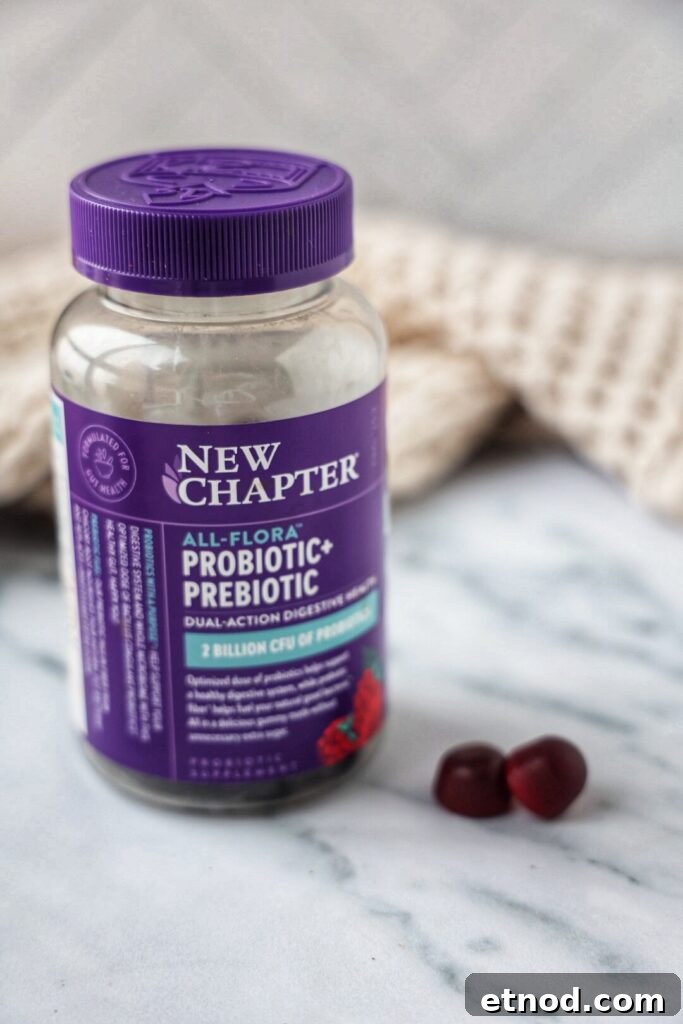
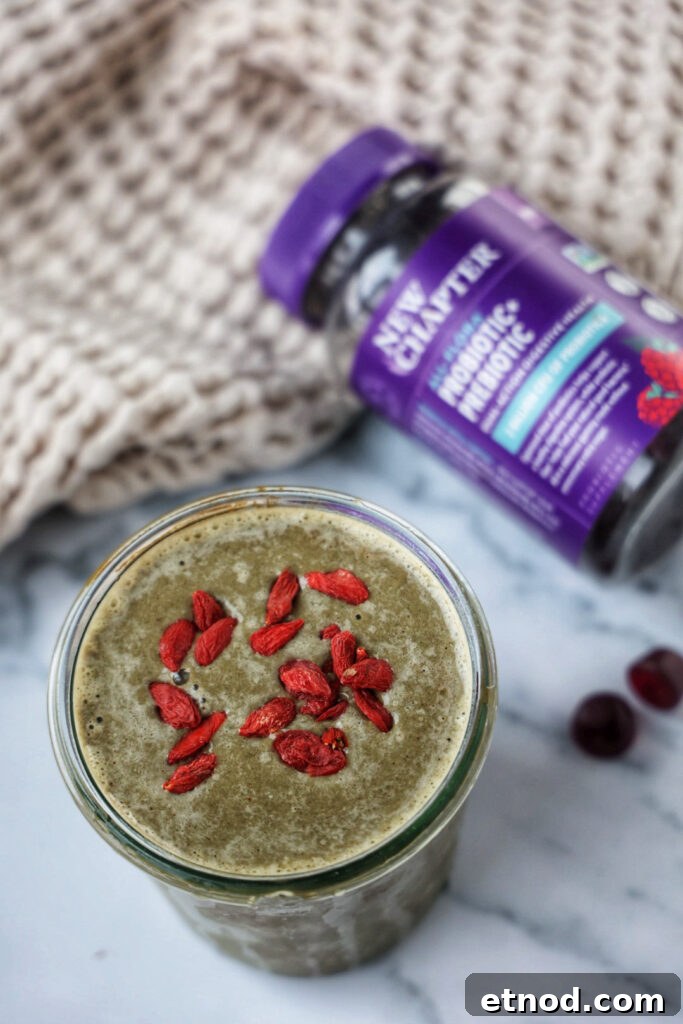
New Chapter All-Flora Probiotic + Prebiotic Gummies
Whole foods should be the foundation for probiotics and prebiotics, but supplements can be a convenient option when life gets busy. New Chapter All-Flora Probiotic + Prebiotic Gummies combine live probiotics with prebiotic inulin derived from chicory root, providing both microbes and the fiber that supports them. A serving supplies 2 billion CFU of probiotics along with prebiotic fiber, making these gummies an easy, portable way to help support gut balance when you need a simple solution.
Conclusion
- Prebiotic fibers feed beneficial gut bacteria.
- Probiotics are the live organisms that support a healthy microbial balance.
- Combining both supports digestion, mood, immune function, and overall gut health.
- Introduce prebiotic-rich foods gradually to avoid digestive discomfort.
- Probiotic + prebiotic gummies can be a convenient complement to a diet focused on whole-food sources of gut-supporting nutrients.
Recipes you’ll love
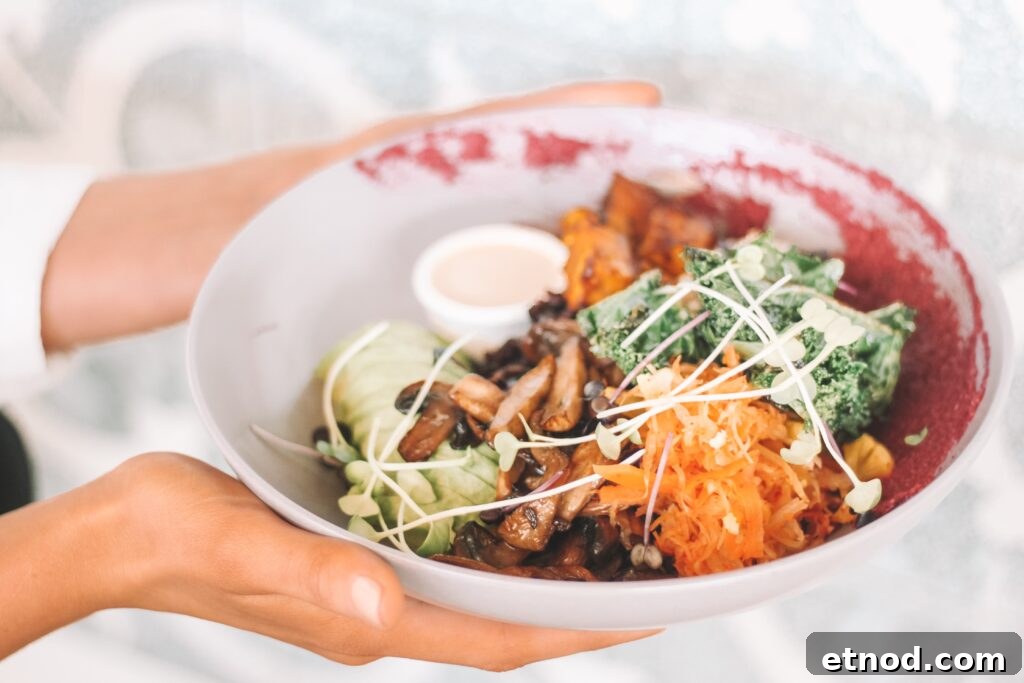
Try these meals to increase your intake of probiotic and prebiotic foods:
Vegan Nicoise salad — the dressing can be rich in prebiotic ingredients.
Tofu scramble breakfast bowl — add sauerkraut for a probiotic boost.
Thai nourish bowl — swap tofu for tempeh and add kimchi to increase probiotics.