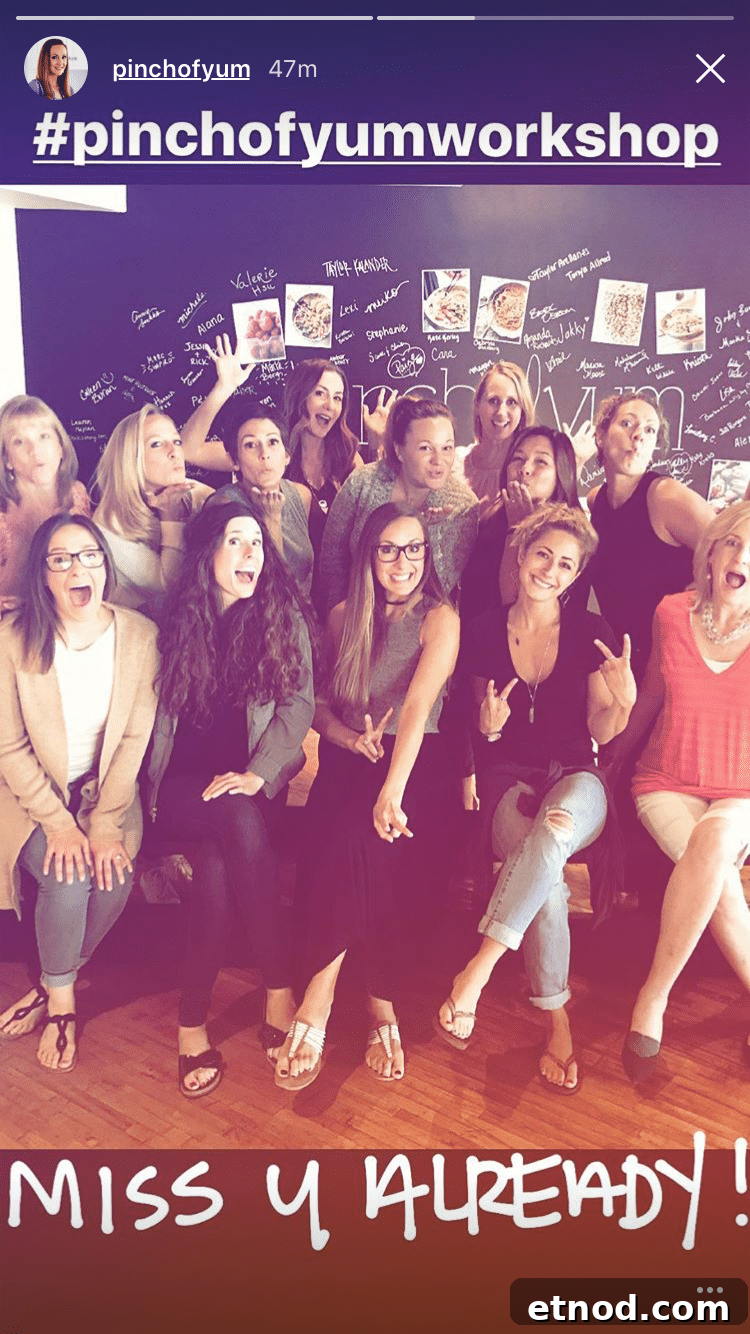
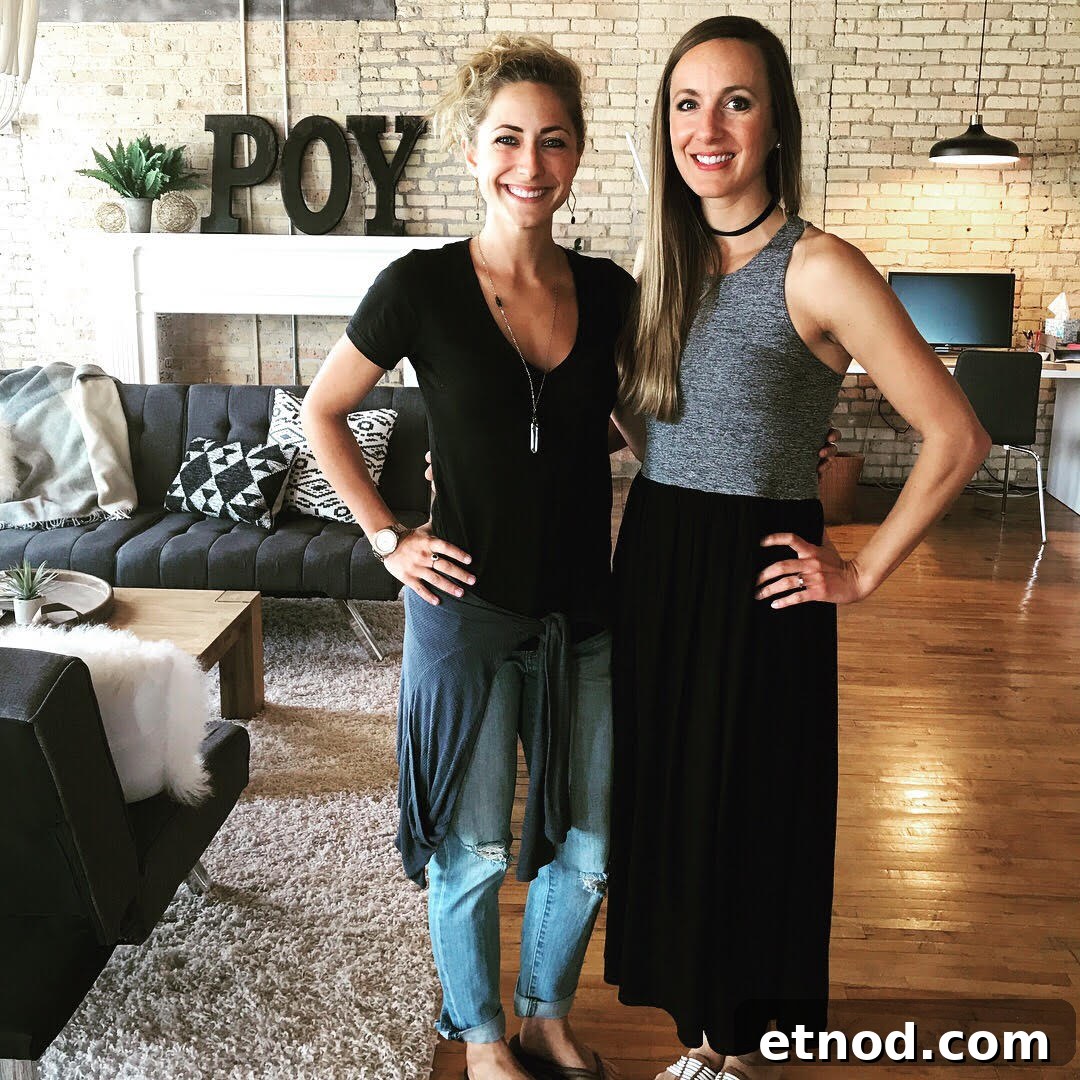
Imagine a kid in a candy store at Disneyland…googly-eyed at everything her pupils land on and a smile as big as the Mississippi River. That’s how this California girl was upon stepping foot into the Pinch of Yum (POY) studio.
I went into the two-day, 12-hour Tasty Food Photography Workshop without rigid expectations, and it turned out to be even better than I hoped. I’ve long admired Pinch of Yum’s work, so I anticipated a high-quality experience, but what surprised me most was how much time I had to focus on my own learning. For two days I was alone with my camera—able to really explore ISO, shutter speed, and aperture—while surrounded by other women who shared my enthusiasm for food photography. It felt intentional, creative, and a little magical.
The days flew by. Instead of dragging on, the time passed quickly, and I had to hurry to catch my flight back to San Francisco afterward. What I learned in the workshop far surpassed what I’d picked up from YouTube tutorials or self-study. Here’s a concise breakdown of the course structure so you can see what we covered:
Phase 1: DSLR Mastery
Phase 2: Lighting
Phase 3: Styling
Phase 4: Editing
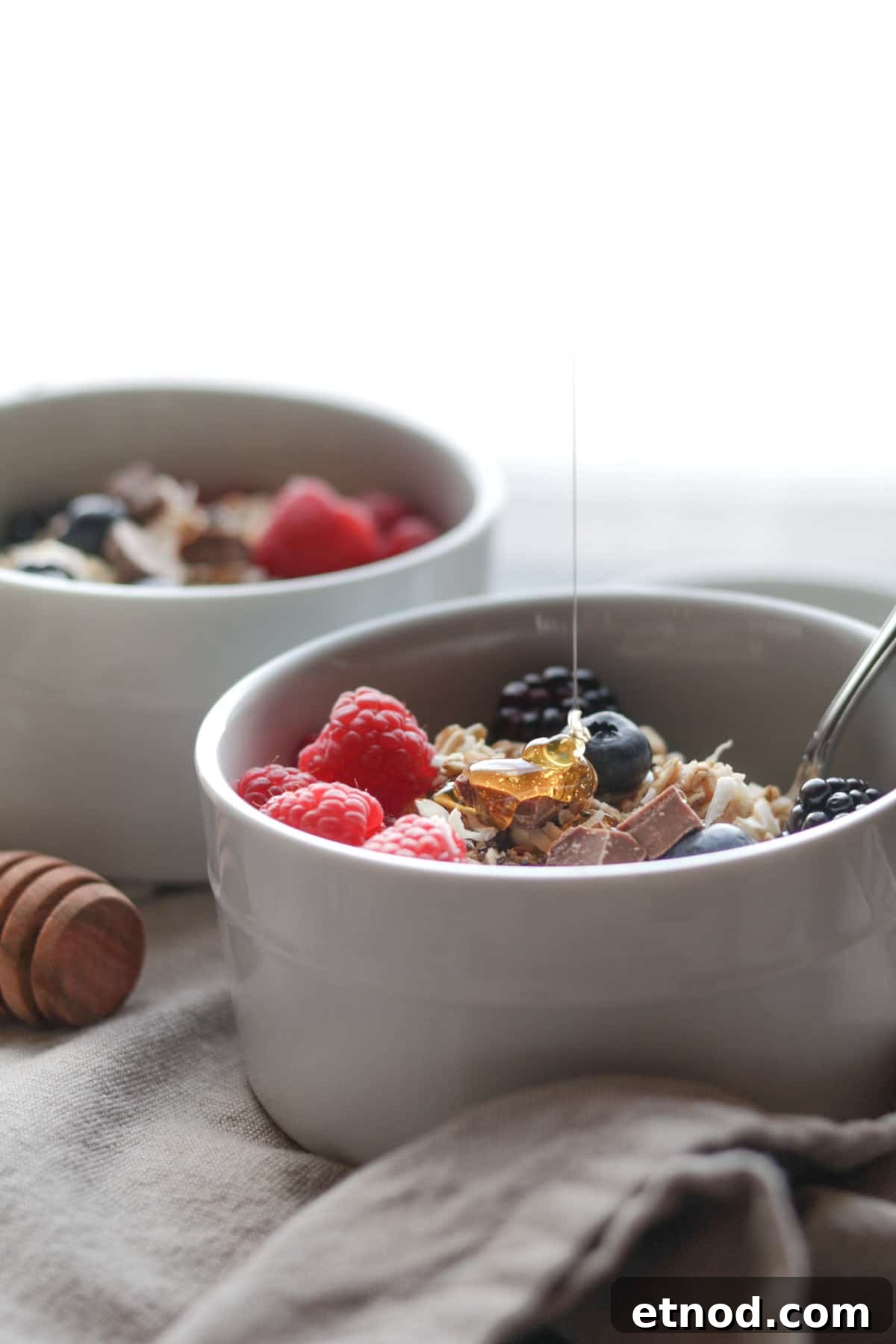
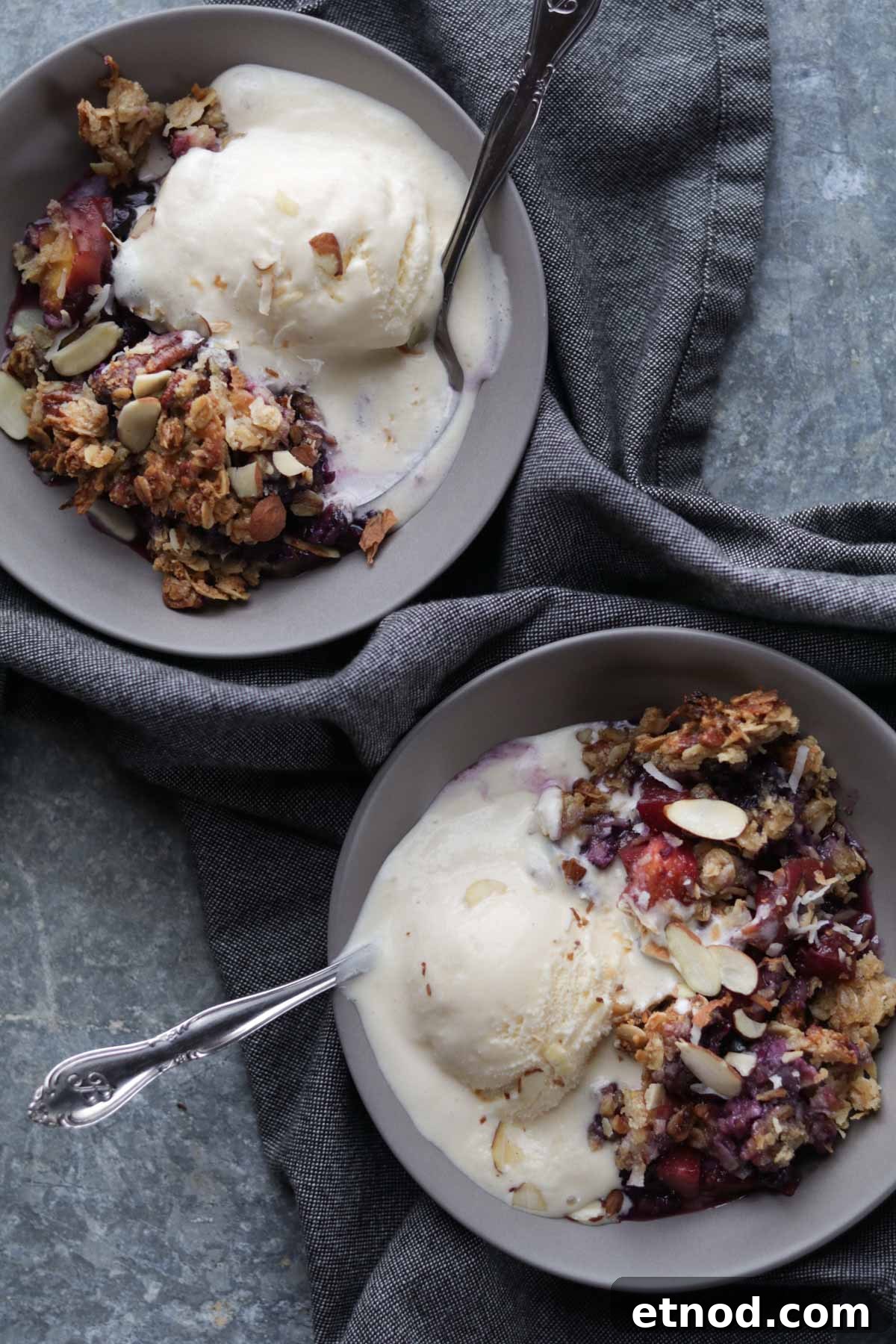
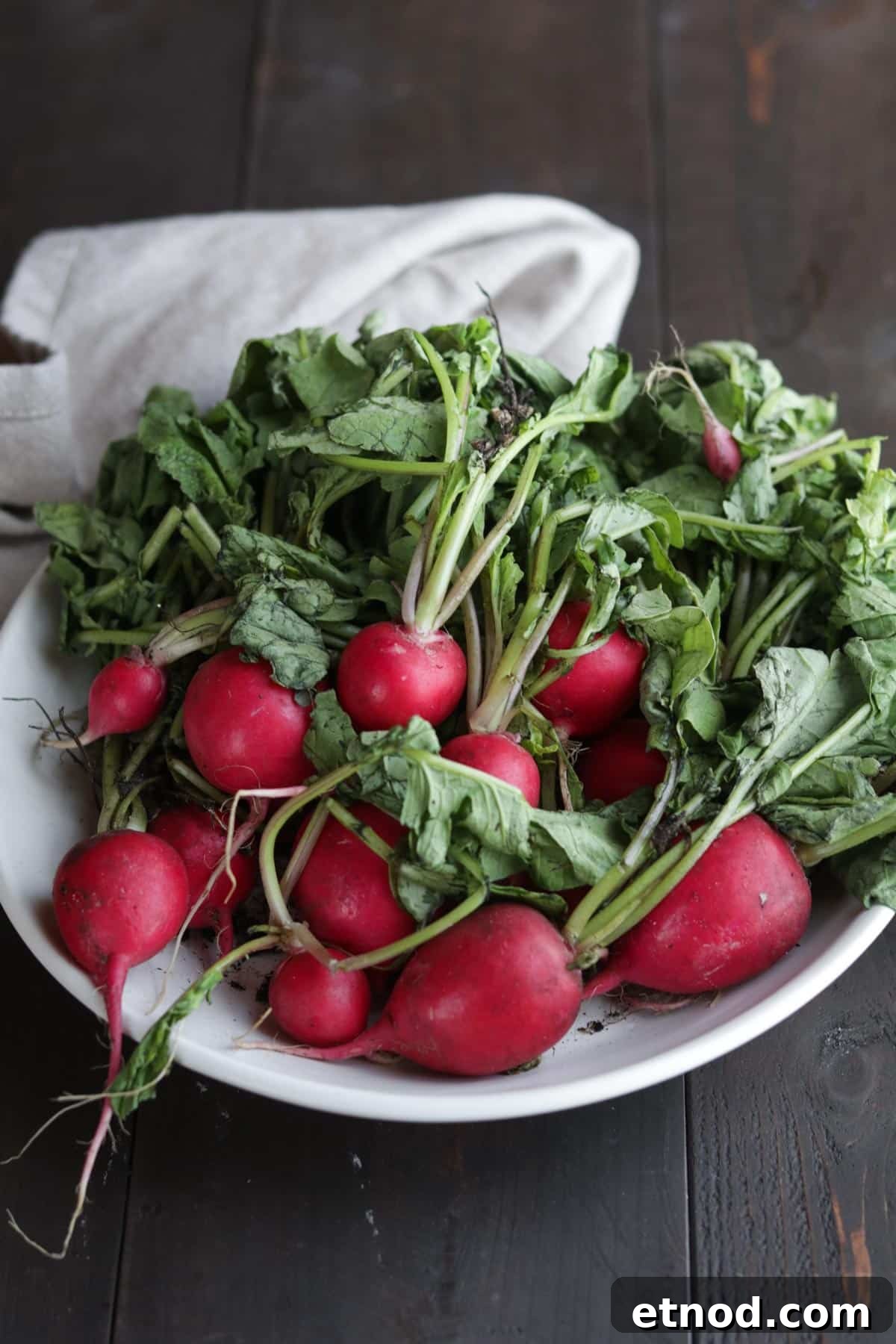
Lindsay led each section with the calm, clear instruction of an experienced teacher. After a short lecture we practiced at window-lit setups, applying what we’d just learned. For the DSLR session we photographed simple produce—radishes, for example—to practice manual settings. It was eye-opening how much a small shift in position or angle changes the light and the mood of the image. At home in my makeshift studio I rarely allow myself time to experiment like that; now I will.
APERTURE
- Controls depth of field and background blur.
- Suggested ranges: 50mm lens: f/2.5–f/4.0.
- 100mm macro lens: f/2.8–f/8.0.
SHUTTER
- Controls how much light is captured and freezes or blurs motion.
- Higher shutter speed = less light, but sharper action shots.
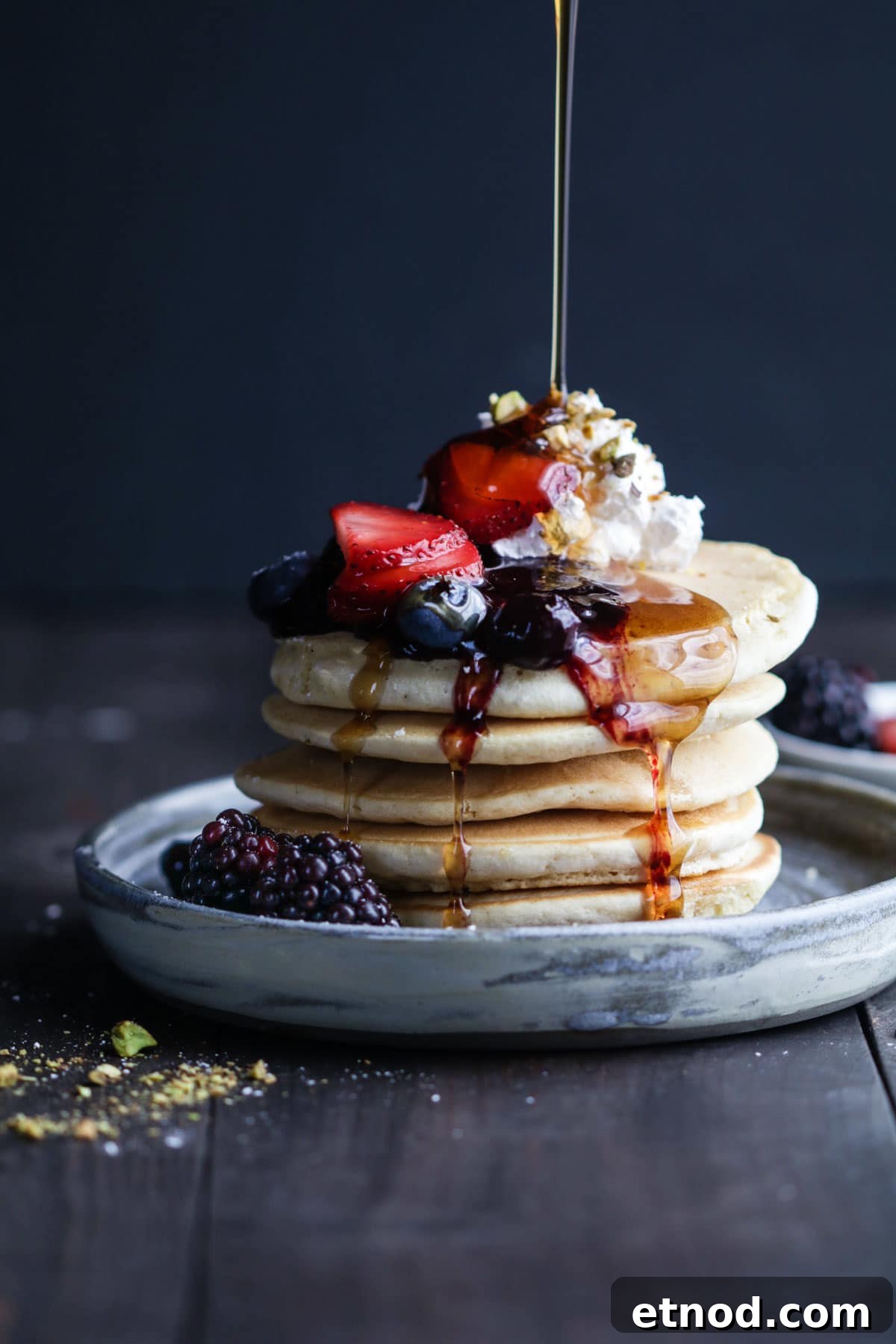
- For a pour shot over pancakes, a faster shutter speed was necessary, especially with the 100mm lens.
- Suggested ranges: 50mm lens: 1/60–1/200s.
ISO
- Adjusts brightness by changing the sensor’s sensitivity to light.
- Higher ISO brightens the image but introduces noise—use cautiously.
- Suggested ranges: 50mm lens: ISO 200–800.
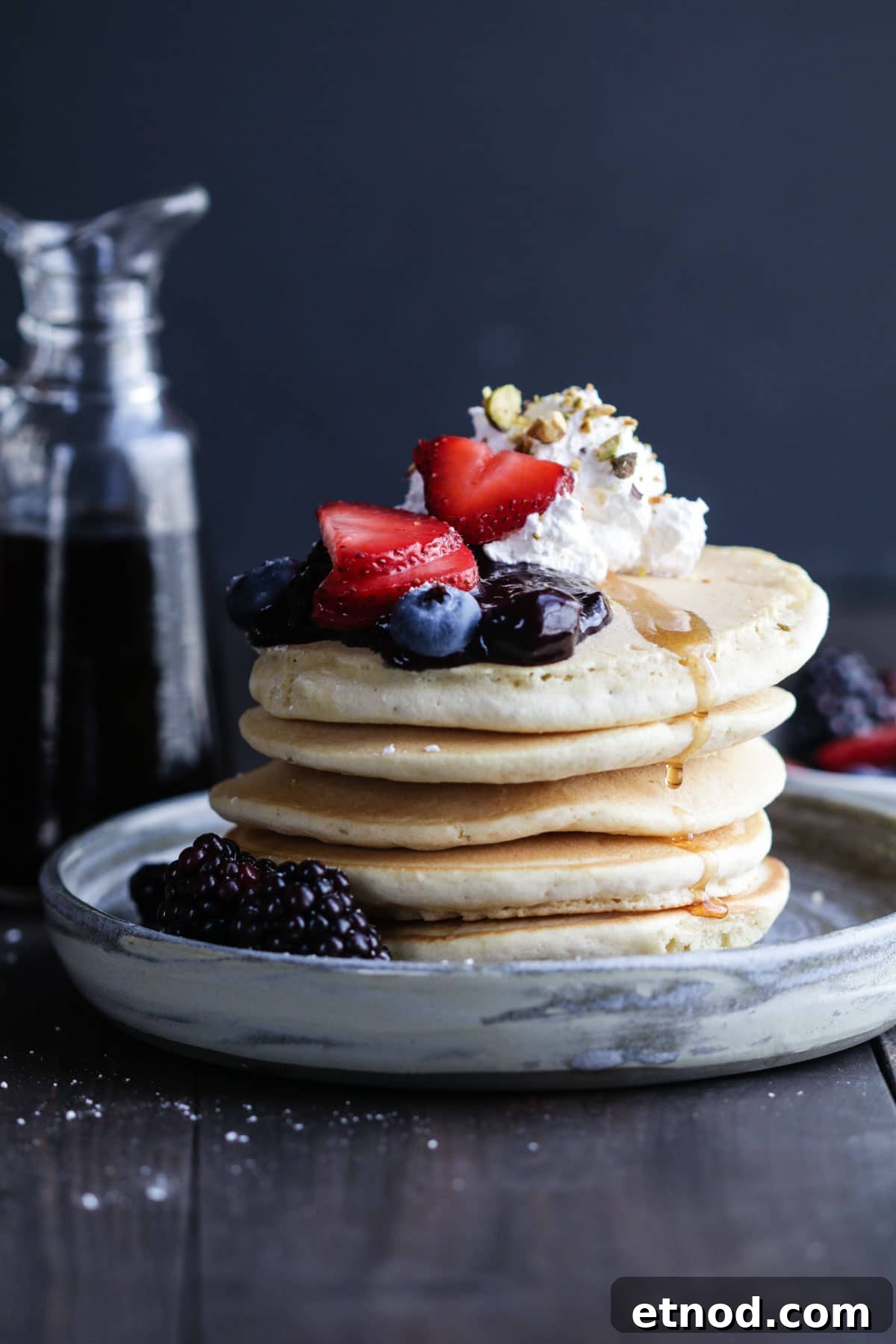
In the styling section, Lindsay reminded us that “props don’t make you a good photographer.” Good lighting and solid camera settings come first—props only support a well-built image. Another valuable tip was to do a test styling run during recipe development. Planning how you’ll style a dish before the final shoot reduces stress and produces better results. Too often I rush to photograph food and sacrifice composition for speed. At the POY studio, the pancake shot took nearly an hour of careful arranging to achieve a result I was truly happy with. From now on I want to treat every shot with that level of attention. A line that stuck with the group was: “You live and die with every photo you take.”
The editing module focused on Lightroom techniques I hadn’t fully explored. I’d previously limited myself to the basic sliders—shadows, highlights, and saturation—but learned to use the adjustment brush, HSL panel, and copy-paste workflows to speed edits while keeping consistency across photos. A key takeaway was to define my own visual style—do I prefer bright, colorful images or moody, shadow-rich compositions? Do I favor minimal setups or abundant props? My style is still evolving, and that’s okay. Food photography is challenging but rewarding, and I’m excited to keep practicing and refining my work.
I’m incredibly grateful to everyone who supports Kroll’s Korner. This workshop gave me fresh perspective, practical skills, and the motivation to improve. I’m excited for what’s next and to share the progress with you.
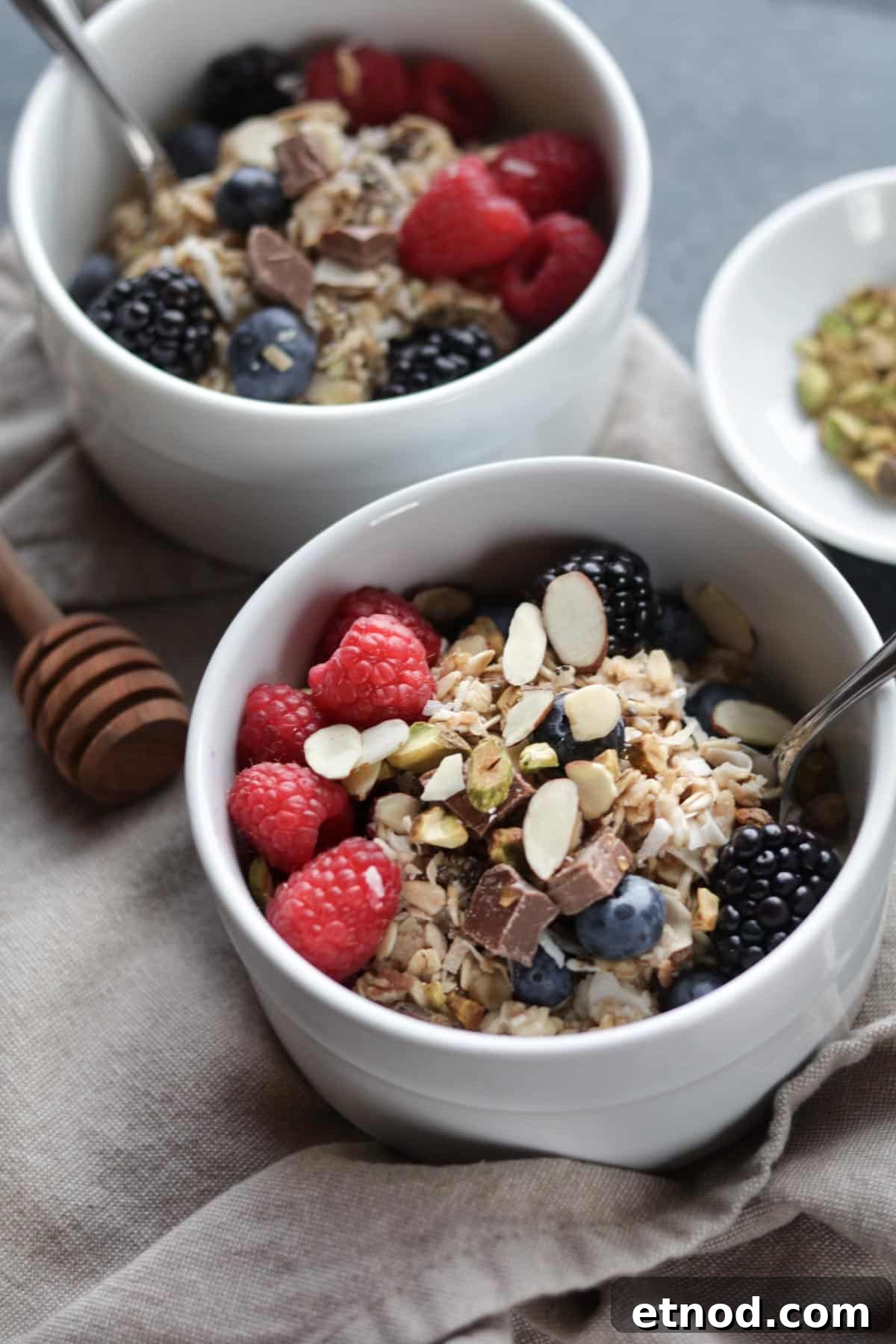
If you’re serious about improving your food photography and leveling up a blog, the Tasty Food Photography Workshop is well worth considering. I left feeling inspired, equipped with new skills, and thankful to have met a wonderful group of people.