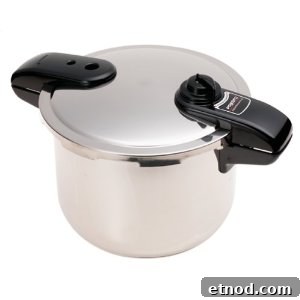
Save time and energy with a pressure cooker, a versatile kitchen tool that dramatically speeds up cooking while preserving flavor and nutrients. Pressure cookers are especially useful for dried beans, which cook in a fraction of the time compared with stovetop simmering. They also excel at preparing tough cuts of meat, stews, soups, grains, potatoes, and a wide range of one-pot meals.
Modern pressure cookers—whether stovetop models or electric multicookers with pressure settings—offer convenience and consistent results. The high-pressure environment raises the boiling point of water, which reduces cooking times and can tenderize ingredients more effectively than conventional methods. This makes pressure cookers ideal when you want a hearty meal ready quickly without sacrificing texture or taste.
Beyond speed, pressure cooking conserves energy by shortening cooking durations and maintaining steady heat. It often requires less liquid than traditional braising, which helps maintain concentrated flavors. Many home cooks appreciate that pressure-cooked foods retain more vitamins and minerals due to shorter exposure to heat and water.
Using a pressure cooker is simple once you understand the basic functions and safety features. Most units include a locking lid, pressure release valve, and gasket; following manufacturer instructions for sealing, venting, and cleaning will ensure safe operation. Electric models often provide preset programs for beans, meat, rice, and soups, removing guesswork for busy cooks.
To get the best results with dried beans, sort and rinse them first; some recipes recommend soaking, but many pressure cooker methods eliminate the need for overnight soaking and still produce tender beans in under an hour. Add enough liquid to cover the beans and allow for expansion, and use natural pressure release to prevent splitting. Seasonings, aromatics, and acidic ingredients like tomatoes or vinegar are best added after pressure cooking or toward the end, as acids can slow softening.
Cleaning and maintenance are straightforward. Remove the gasket and valve components for periodic cleaning, and check seals regularly for wear. Proper care will extend the life of the cooker and maintain reliable performance. With a little practice, pressure cooking becomes a dependable part of a weekly routine, saving time and simplifying meal prep.
Whether you’re preparing dried beans, braised meats, or quick soups and grains, a pressure cooker can transform how you cook—making home-cooked meals faster, more energy-efficient, and consistently delicious.